💧 How Much Humidity Does My Cretan Brake Need?
Pteris cretica
By the Greg Editorial Team
Jun 14, 2024•7 min read
This article was created with the help of AI so we can cover more plants for you. May contain errors. See one? Report it here.
Master the perfect humidity 🌬️🌿 for your Cretan Brake to flourish with our essential guide to moisture management!
- 60-70% humidity is ideal for Cretan Brake ferns.
- 🌡️ Temperature affects humidity; adjust care with changes.
- Monitor and adjust using hygrometers, humidifiers, or fans.
Ideal Humidity Range for Cretan Brake
In the lush world of ferns, the Cretan Brake thrives in humidity that would make your bathroom mirror jealous. We're talking a sweet spot of 60-70% relative humidity.
💦 Why Humidity Matters
Humidity is like a secret handshake for plants; it's how they absorb water and nutrients through their leaves. For the Cretan Brake, it's not just a preference—it's a survival tactic.
🌡️ Temperature's Role
Now, don't forget about temperature—it's the wingman to humidity. Higher temperatures can lead to higher water vapor capacity in the air, which affects how much moisture your fern feels. Keep the thermostat between 60-85°F (15-29°C) to maintain that tropical vibe the Cretan Brake adores.
⚖️ The Balancing Act
It's a delicate dance, really. Too dry, and your fern might start shedding leaves like a dog in summer. Too moist, and you're in a breeding ground for mold. So, keep a hygrometer handy and aim for that 60-70% humidity level. Your Cretan Brake will thank you with a flourish of green fronds.

Measuring and Adjusting Humidity for Cretan Brake
To ensure your Cretan Brake is living its best life, monitoring humidity is key. A hygrometer will become your go-to gadget, giving you the lowdown on your air's moisture content.
🛠️ Tools for Measuring Humidity
Hygrometers are the MVPs here. They're affordable and easy to find, and they'll show you the humidity levels as a percentage. If you're in a pinch, the ice cube glass sweat test can offer a rough estimate—wet glass means high humidity, dry glass means it's time to turn up the moisture.
🌡️ Simple Adjustments for Ideal Humidity
Caught with low humidity readings? A humidifier can be your plant's new best friend, boosting moisture levels in the air. If the air's too moist, crack a window or set up a fan to get the air moving and prevent your plant from feeling like it's in a sauna.
Room to Room Variations
Different rooms can have different humidity levels. Use this to your advantage and find the perfect spot for your Cretan Brake.
Placement and Timing
Place your hygrometer away from direct sunlight and drafts. Check humidity at various times to get a full picture of your indoor climate.
Remember, your Cretan Brake doesn't want to live in a desert or a rainforest—aim for that humidity sweet spot.

Increasing Humidity for Cretan Brake
💦 Humidifiers: Your Plant's Personal Raincloud
Humidifiers are the go-to for a controlled moisture boost. They're like personal rain clouds for your Cretan Brake, minus the thunder. Opt for a quiet model to avoid the white noise blues and keep your green buddy happily misted.
🪨 Pebble Trays: The Classic Touch
For a low-tech solution, pebble trays are your friend. Just a shallow dish, some stones, and water up to just below the pebble tops. It's a simple evaporation station for your plant. Remember to keep the pot high and dry, not wading in the water.
🌿 The Plant Posse: Creating a Microclimate
Group your plants—they're social creatures. Together, they create a communal sauna of sorts, sharing moisture and good vibes. It's a microclimate that makes your Cretan Brake feel right at home. Just don't cram them into a mosh pit; they need their personal space to avoid pest parties.
🌴 Real Talk: Balancing Humidity
While you're turning your home into a tropical paradise, keep an eye out. Too much of a good thing can lead to a mold fiesta. Strike a balance—your Cretan Brake will thank you with lush, green fronds.

Managing Excess Humidity Around Cretan Brake
Excess humidity can be a silent killer for your Cretan Brake. Let's get that moisture level just right.
💨 Air Circulation: Your First Defense
Crack a window or get a fan moving. Airflow is crucial to prevent mold and give your fern the fresh breath it needs.
💦 Dehumidifiers: The Heavy Artillery
When the air feels like a wet blanket, it's time for a dehumidifier. It'll strip that extra moisture faster than you can say "muggy."
🚰 Drainage: An Ounce of Prevention
Ensure your pot has drainage holes to avoid soggy soil. Pair with a well-draining mix, and you're golden.
🌿 Houseplant Helpers
Some plants, like the Boston Fern, can absorb excess moisture. Consider them your green sponges.
🧼 Keep it Clean
Clean AC filters help maintain a dry, cool environment. It's like giving your air a detox.
🚿 Shower Power
Limit those long, steamy showers. Your bathroom isn't a rainforest, and your Cretan Brake doesn't need the extra steam.
🍲 Kitchen Caution
Avoid boiling water like it's a bad habit. Cook with lids on to keep that humidity in check.
Remember, balance is key. Too much humidity is just as bad as not enough. Keep an eye on your Cretan Brake and adjust as needed to maintain that perfect tropical ambiance without the swampy side effects.
Seasonal Humidity Management for Cretan Brake
Adapting to the ebb and flow of the seasons, Cretan Brake ferns demand a keen eye on humidity.
🌸 Spring and Summer Care
During the warmer months, these ferns are in their growth phase, requiring consistent moisture. Increase watering frequency but avoid soggy soil. Consider a humidifier or frequent misting to maintain high humidity, especially as indoor air conditioning can dry out the environment.
🍂 Fall and Winter Adjustments
As autumn leaves fall, so does the humidity in our homes. Reduce watering to match the slower growth and cooler temperatures. However, indoor heating systems can create a desert-like atmosphere, so keep using that humidifier. It's not just for your sinuses; your Cretan Brake will be silently applauding your efforts.
🕵️ Monitoring Tools
Hygrometers are your undercover agents in the world of humidity. They'll give you the cold, hard numbers you need to adjust your care routine. No guesswork, just science.
🚀 Quick Tips for Seasonal Shifts
- Spring: Keep it moist, but don't drown it in your enthusiasm for the growing season.
- Summer: Balance is key—more water, yes, but watch out for the AC's drying effects.
- Fall: Ease up on the watering can; your fern is prepping for a cooler season.
- Winter: Combat the heat's drying wrath with humidity reinforcements.
Remember, your Cretan Brake doesn't need a tropical vacation; it just craves a bit of consistency in the face of Mother Nature's mood swings.
Addressing Humidity-Related Issues in Cretan Brake
🌿 Identifying Signs of Humidity Stress
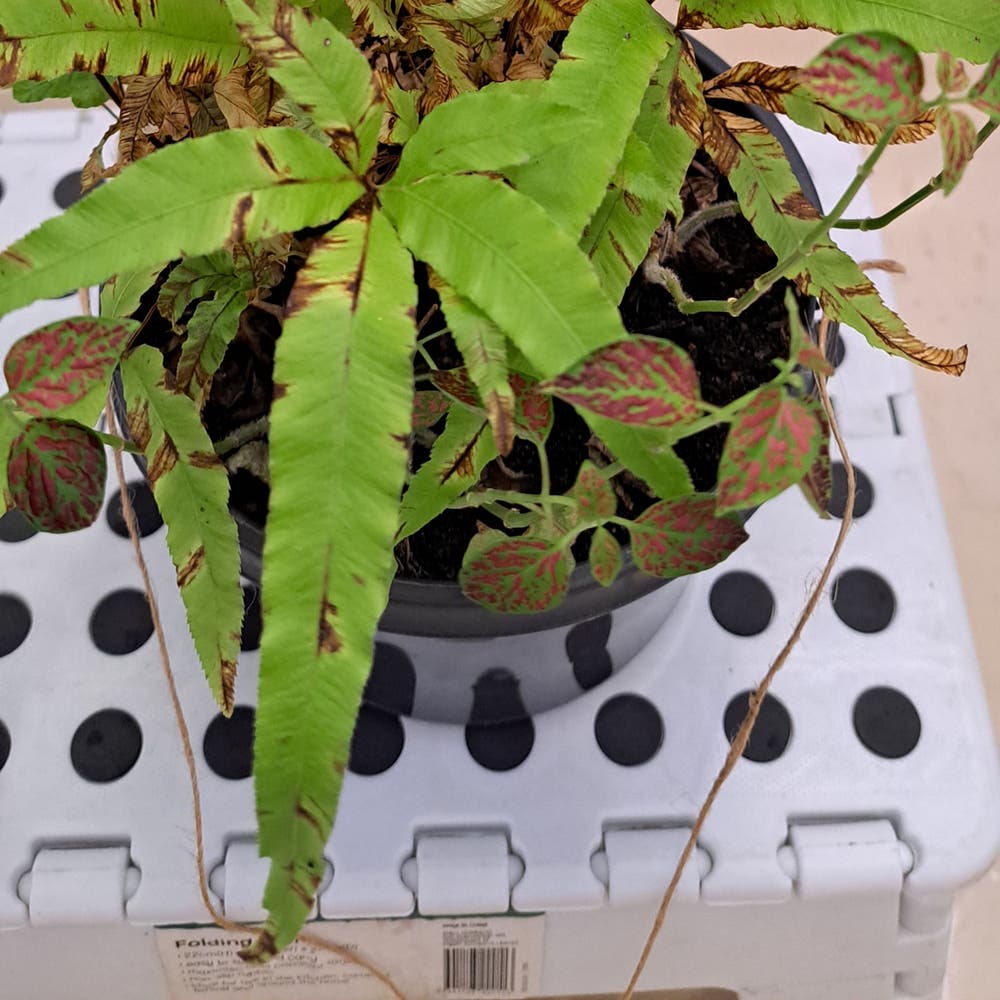
Brown, crispy leaves on your Cretan Brake could scream "I'm too dry!" It's a telltale sign that the air around your fern is more desert than tropical paradise. On the flip side, if you spot yellowing or mushy leaves, it's waving a flag that says "Help, I'm drowning in moisture here!"
🛠 Quick Fixes for Common Humidity-Related Problems
Got a humidity headache? Here's the aspirin. If your Cretan Brake is parched, misting might bring some relief. But don't douse it like a house on fire; think gentle rain. No humidifier? Pebble trays are like the old mixtapes—classic and effective. Just fill a tray with pebbles, add water, and set your plant on top.
If your plant's suffering from too much humidity, it's time to crank up the air circulation. A fan can work wonders, or crack a window to let in some fresh air. And don't forget to check your pot drainage—it should be quick, like a game of hot potato.
Remember, the goal is to hit that sweet spot of 50-70% humidity. Keep a hygrometer handy to measure the levels like a pro. If you notice the environment is more often too wet than not, consider a dehumidifier to keep things in check.
Lastly, keep an eye out for seasonal changes. Your Cretan Brake doesn't have the luxury of migrating like birds, so you'll need to adjust its care as the indoor humidity shifts throughout the year.
⚠️ Safety First
This content is for general information and may contain errors, omissions, or outdated details. It is not medical, veterinary advice, or an endorsement of therapeutic claims.
Always consult a qualified healthcare professional before using any plant as food, medicine, or supplement.
Never eat any plant (or feed one to pets) without confirming its identity with at least two trusted sources.
If you suspect poisoning, call Poison Control (800) 222-1222, the Pet Poison Helpline (800) 213-6680, or your local emergency service immediately.
Spotted an error? Please report it here.
Ensure your Cretan Brake fern thrives in the ideal humidity with Greg's custom reminders to keep the air just right—no more crispy or mushy leaves 🌿!