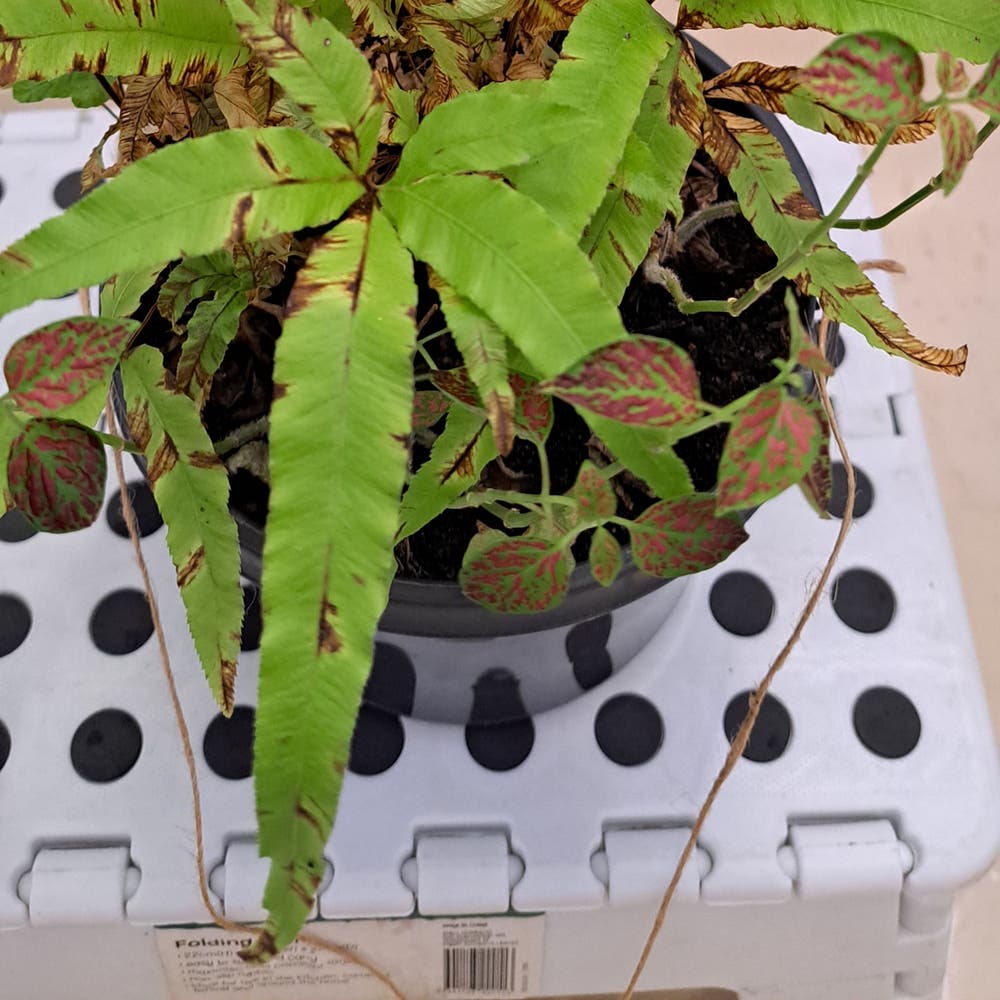
Attracting Pollinators to Your Jersey Fern 🐝
Pteris cretica
By the Greg Editorial Team
Sep 29, 2024•5 min read
This article was created with the help of AI so we can cover more plants for you. May contain errors. See one? Report it here.
Transform your garden into a thriving ecosystem by nurturing Jersey Fern and its vital pollinators! 🌿
- 🌱 Jersey Fern reproduces via sporangia, not flowers, using spores for dispersal.
- 🐝 Native pollinators like bees and butterflies boost Jersey Fern's ecosystem health.
- 💧 Moisture and shade are key for attracting pollinators and supporting Jersey Fern growth.
Flower Structure
Description of Structure 🌿
The Jersey Fern is unique in that it doesn't produce traditional flowers. Instead, it reproduces through specialized structures known as sporangia, which are essential for its life cycle.
These sporangia are typically clustered on the underside of the fronds. This arrangement not only protects the spores but also makes them more efficient for dispersal.
Facilitation of Pollination 🌬️
Sporangia play a crucial role in releasing spores into the environment. When conditions are right, they burst open, allowing the spores to be carried away.
Moisture and wind are vital for this process. They mimic the pollination mechanisms seen in flowering plants, ensuring that the spores reach suitable locations for germination.
Understanding these processes can enhance your appreciation for the Jersey Fern and its ecological role. As we delve deeper into its natural pollination mechanisms, you'll see how interconnected everything truly is.
Natural Pollination
🌬️ Mechanisms of Pollen Transfer
Jersey Fern primarily relies on spore dispersal rather than traditional pollen transfer. Spores are released through specialized structures called sporangia, which can be carried by wind, water, or even animals.
Environmental conditions play a crucial role in successful spore transfer. Factors like temperature and humidity can significantly affect how far and effectively spores travel, ensuring they reach suitable locations for germination.
🐝 Primary Pollinators
While Jersey Fern doesn’t depend on pollinators in the conventional sense, native species like bees, butterflies, and moths can still interact with its ecosystem. These pollinators contribute to the overall health of the environment, promoting biodiversity and enhancing the plant's reproductive success.
By supporting these native pollinators, you create a thriving ecosystem that benefits not just the Jersey Fern but also the broader environment. Their interactions can lead to a more vibrant and resilient habitat, making your garden a haven for wildlife.
Understanding these dynamics can inspire you to cultivate a space that nurtures both Jersey Fern and its pollinator friends.
Hand Pollination
Step-by-Step Instructions for Hand Pollination 🌱
Hand pollination of Jersey Fern can be a rewarding process. Follow these steps to ensure successful reproduction.
Identify the sporangia on the underside of the fronds. These are the specialized structures where spores are produced.
Collect spores using a clean, dry container. This helps maintain their viability for future planting.
Transfer spores to a suitable growing medium or area. Choose a location that mimics the fern's natural habitat for the best results.
Ensure proper moisture levels for successful germination. Keeping the environment moist is crucial for the spores to thrive.
Identifying Reproductive Structures 🔍
Understanding the reproductive structures of Jersey Fern is key. Sporangia serve as the fern's reproductive units, differing from traditional male and female parts found in flowering plants.
Recognizing spore viability is essential. Knowing the right conditions for germination can significantly impact your success in cultivating these unique ferns.
With these steps, you can actively participate in the life cycle of Jersey Fern, enhancing its growth and contribution to your garden ecosystem. Next, let’s explore how to support pollinators in your environment.
Supporting Pollinators
🌼 Creating a Pollinator-Friendly Environment
To attract native pollinators to your garden, start by enhancing the conditions around your Jersey Fern. Focus on maintaining moisture and providing shade, as these elements mimic the fern's natural habitat.
Consider incorporating water features or damp areas to create a welcoming environment. Pollinators thrive in spaces that offer both shelter and hydration, so think about adding small ponds or even a simple birdbath.
🌱 Companion Plants
Companion planting can significantly benefit your Jersey Fern by attracting beneficial pollinators. Opt for wildflowers and native grasses that flourish in similar conditions, such as asters or goldenrods.
These plants not only draw in pollinators but also promote biodiversity, which is crucial for a thriving ecosystem. A diverse garden supports various species, ensuring that your Jersey Fern has the best chance for successful reproduction.
Creating a pollinator-friendly environment and choosing the right companion plants can transform your garden into a vibrant ecosystem. This approach not only benefits your Jersey Fern but also contributes to the overall health of local wildlife.
Next, let’s explore the challenges that can hinder pollination and how to overcome them effectively.
Pollination Challenges
Common Obstacles 🌪️
Jersey Fern faces several environmental challenges that can hinder spore dispersal. Drought conditions can dry out the soil, making it difficult for spores to germinate and thrive.
Habitat loss also poses a significant threat. As natural spaces shrink, the delicate balance needed for successful reproduction becomes disrupted. Seasonal variations further complicate matters, as fluctuations in temperature and moisture can impact spore production and dispersal.
Solutions for Overcoming Challenges 💪
Improving local conditions is crucial for supporting Jersey Fern's reproduction. Consider implementing water conservation practices to maintain soil moisture, especially during dry spells.
Creating microhabitats can also be beneficial. Incorporate features like shaded areas and moisture-retaining plants to enhance the environment for Jersey Fern. These strategies not only support the fern but also attract native pollinators, fostering a healthier ecosystem.
By addressing these challenges, you can help ensure the continued success of Jersey Fern in your garden. This proactive approach not only benefits the plant but also enriches the surrounding environment, creating a thriving habitat for all.
⚠️ Safety First
This content is for general information and may contain errors, omissions, or outdated details. It is not medical, veterinary advice, or an endorsement of therapeutic claims.
Always consult a qualified healthcare professional before using any plant as food, medicine, or supplement.
Never eat any plant (or feed one to pets) without confirming its identity with at least two trusted sources.
If you suspect poisoning, call Poison Control (800) 222-1222, the Pet Poison Helpline (800) 213-6680, or your local emergency service immediately.
Spotted an error? Please report it here.
Enhance your garden's ecosystem and attract buzzing pollinators 🐝 to your Jersey Fern with Greg's tailored tips for creating the ideal moisture-rich environment!