Understanding Why Cretan Brake May Not Flower 🌸
Pteris cretica
By the Greg Editorial Team
Oct 02, 2024•5 min read
This article was created with the help of AI so we can cover more plants for you. May contain errors. See one? Report it here.
Unlock vibrant Cretan Brake blooms 🌸 with essential care tips to avoid common pitfalls and ensure thriving growth!
- 🌞 Cretan Brake needs 6+ hours of sunlight daily for optimal blooming.
- 🌱 Well-drained soil with pH 6.0-7.0 prevents root rot and promotes growth.
- 💧 Overwatering causes yellow fronds; establish a consistent watering schedule for health.
Common Reasons for Failure to Bloom
☀️ Insufficient Light Exposure
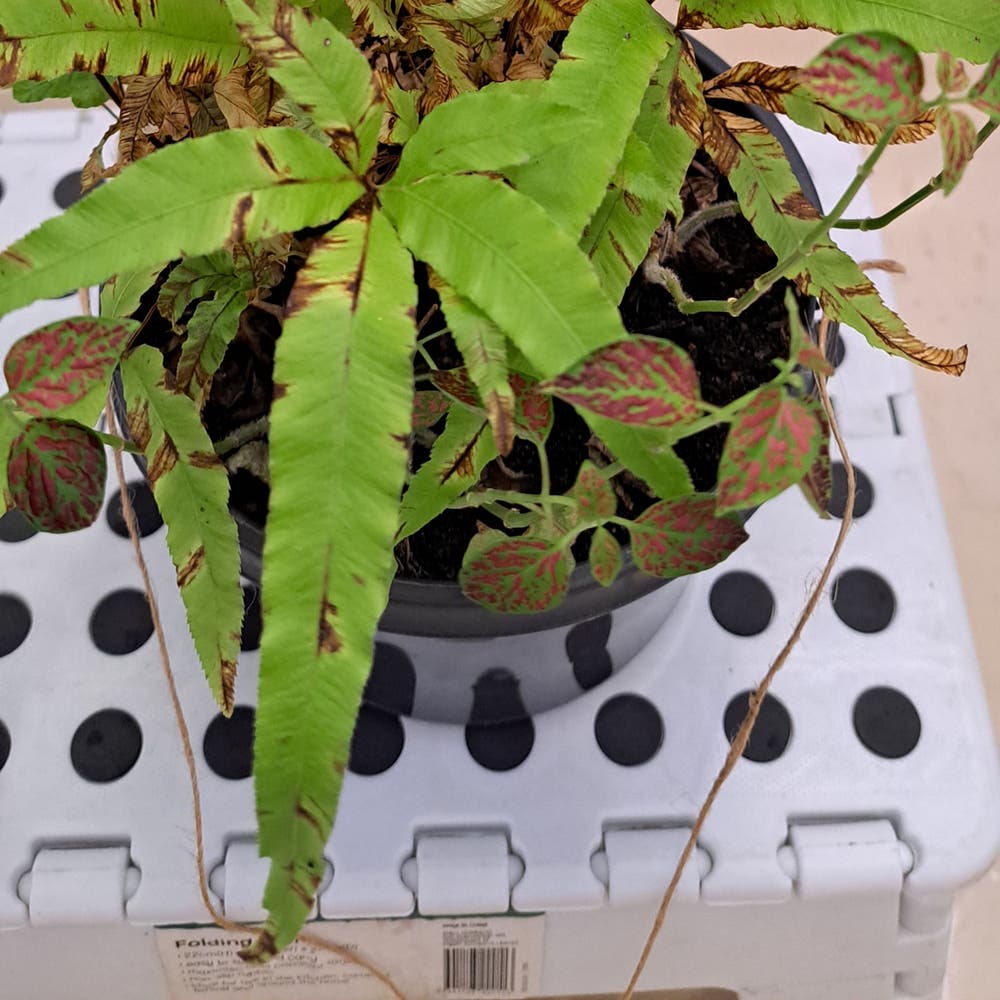
Cretan Brake thrives in full sun, requiring at least six hours of direct sunlight daily. If your plant shows sparse growth and pale fronds, it’s likely not getting enough light.
🏵️ Poor Soil Quality
Well-drained soil is crucial for preventing root rot, a common issue that can hinder blooming. Aim for a soil pH between 6.0 and 7.0, which is slightly acidic to neutral, to keep your plant healthy.
💧 Overwatering Issues
Overwatering can lead to yellowing fronds and mushy roots, signaling distress in your Cretan Brake. To avoid this, allow the soil to dry out between watering sessions, ensuring your plant gets the right moisture balance.
⚠️ Stress Factors
Environmental stressors like extreme temperatures and drought can significantly impact your plant's bloom cycle. These conditions may delay or even prevent flowering, so it’s essential to monitor your plant’s environment closely.
Understanding these common reasons for failure to bloom can help you take proactive steps to encourage healthy growth. Next, we’ll explore factors that lead to premature flower drop, ensuring your Cretan Brake remains vibrant and flourishing.
Factors Leading to Premature Flower Drop
💧 Inconsistent Watering Practices
Inconsistent watering can stress your Cretan Brake, leading to wilting and frond drop. To keep your plant thriving, establish a regular but moderate watering schedule.
🥦 Nutritional Imbalances
Nutrients play a crucial role in flower retention, especially during bud development. Watch for signs of nutrient deficiency, such as yellowing leaves and stunted growth, to ensure your plant gets what it needs.
🌡️ Temperature Fluctuations
Cretan Brake thrives in temperatures between 15°C to 25°C (59°F to 77°F). Extreme heat or cold can cause premature bud drop, so monitor your plant's environment closely to maintain optimal conditions.
Understanding these factors can help you create a nurturing environment for your Cretan Brake, ensuring it blooms beautifully. Next, let’s explore the causes of abnormal flower development and how to address them effectively.
Abnormal Flower Development Causes
🧬 Genetic Factors
Some Cretan Brake varieties may naturally exhibit abnormal blooms. Selecting healthy specimens for propagation is crucial to ensure robust flowering.
🐛 Pest Infestations
Pests like aphids and spider mites can significantly affect flower development. Look for signs of infestation, such as distorted flowers or sticky residue on leaves.
🌧️ Environmental Stress
Poor drainage can lead to root rot, which in turn causes abnormal blooms. To combat this, focus on improving drainage and enhancing soil quality for healthier plants.
Understanding these factors can help you address issues before they escalate. Next, let’s explore the nutritional needs essential for vibrant flowering.
Nutritional Needs
🌱 Essential Nutrients for Flowering
Cretan Brake thrives on a balanced diet of key nutrients, primarily nitrogen, phosphorus, and potassium (NPK). These elements are crucial for robust growth and vibrant blooms.
Micronutrients like calcium and magnesium also play a vital role in maintaining overall plant health. They support cellular functions and enhance flower quality.
⚠️ Signs of Nutrient Deficiency
Watch for yellowing older fronds and poor flower development, as these are common signs of nutrient deficiency. If your plant exhibits these symptoms, it may be time to assess its nutritional intake.
Soil testing is an effective diagnostic practice to evaluate nutrient levels and pH. This will help you determine what your Cretan Brake needs to flourish.
🥗 Recommended Fertilization Practices
To keep your Cretan Brake in top shape, fertilize every 4-6 weeks during the growing season. This regular feeding schedule ensures your plant receives the nutrients it craves.
Adjust your fertilization based on the growth stage of your plant. Different stages require varying nutrient levels, so stay attentive to its needs for optimal flowering.
Understanding the nutritional needs of your Cretan Brake is essential for encouraging healthy blooms. With the right care, your plant can thrive and showcase its beauty.
Next, let’s explore effective pruning techniques to further enhance your plant's flowering potential.
Pruning Techniques
Best Practices for Pruning 🌱
The ideal time to prune your Cretan Brake is late winter to early spring. This timing allows the plant to recover and promotes robust growth as the warmer months approach.
Removing dead or damaged fronds is crucial. It not only enhances the plant's appearance but also prevents disease and encourages new growth.
Timing of Pruning for Optimal Flowering 🌸
Pruning before the flowering season is essential for healthier blooms. This practice helps redirect the plant's energy towards producing vibrant flowers.
Be cautious with late-season pruning. It can inadvertently remove flower buds, reducing your chances of a spectacular bloom.
Effects of Improper Pruning on Flower Development ⚠️
Excessive pruning can lead to reduced flowering potential. It's important to strike a balance to maintain the plant's natural shape and vigor.
Regular monitoring of your plant's health is key. This practice helps you avoid common pruning mistakes and ensures your Cretan Brake thrives.
Understanding these pruning techniques will set you on the right path for a flourishing garden. Next, let’s explore the nutritional needs of your Cretan Brake to further support its growth and flowering potential.
⚠️ Safety First
This content is for general information and may contain errors, omissions, or outdated details. It is not medical, veterinary advice, or an endorsement of therapeutic claims.
Always consult a qualified healthcare professional before using any plant as food, medicine, or supplement.
Never eat any plant (or feed one to pets) without confirming its identity with at least two trusted sources.
If you suspect poisoning, call Poison Control (800) 222-1222, the Pet Poison Helpline (800) 213-6680, or your local emergency service immediately.
Spotted an error? Please report it here.
Help your Cretan Brake bloom brilliantly 🌼 by using Greg's tailored watering reminders and nutrient tracking to meet its specific needs for sunlight and soil health!