🌞 Is Direct Sunlight Good for My Cretan Brake?
Pteris cretica
By the Greg Editorial Team
Jun 14, 2024•5 min read
This article was created with the help of AI so we can cover more plants for you. May contain errors. See one? Report it here.
Shield your Cretan Brake from direct sun's harm and ensure its lush growth with savvy placement tips. 🛡️🌿
- 🌿 Cretan Brake prefers bright indirect light, direct sunlight can damage it.
- East and north-facing windows are best for healthy growth.
- Monitor and adjust care seasonally, considering temperature and humidity.
Defining Sunlight Types for Cretan Brake
Direct sunlight is the unfiltered serving of sunshine, straight from the cosmic chef. It's like getting a front-row seat to the sun's performance, no clouds or shades blocking your view. Indirect sunlight, on the other hand, is the sun's rays after they've bounced around—off clouds, through leaves, or reflected off surfaces—before they hit your plant. It's the diffused light that doesn't pack the same punch as the direct stuff.
🌞 Direct vs. Indirect Sunlight
The Cretan Brake, a fern that's more about subtlety than showmanship, prefers the gentler touch of indirect sunlight. Think of it as a plant that enjoys the sun's glow but doesn't want to bask in its full glory. Direct sunlight can be a bit too intense, leading to a drama of scorched leaves and faded colors.
🌞 Cretan Brake's Sunlight Preferences
When it comes to the Cretan Brake, it's all about finding that sweet spot of bright indirect light. Too much direct sunlight, and it's like throwing your fern into a desert—expect a crispy, unhappy plant. Keep it in a place where the sun's rays are more of a gentle suggestion than a command, and you'll have a fern that's lush, green, and decidedly not on fire.

Cretan Brake's Sunlight Tolerance
🌳 Assessing Tolerance to Direct Sunlight
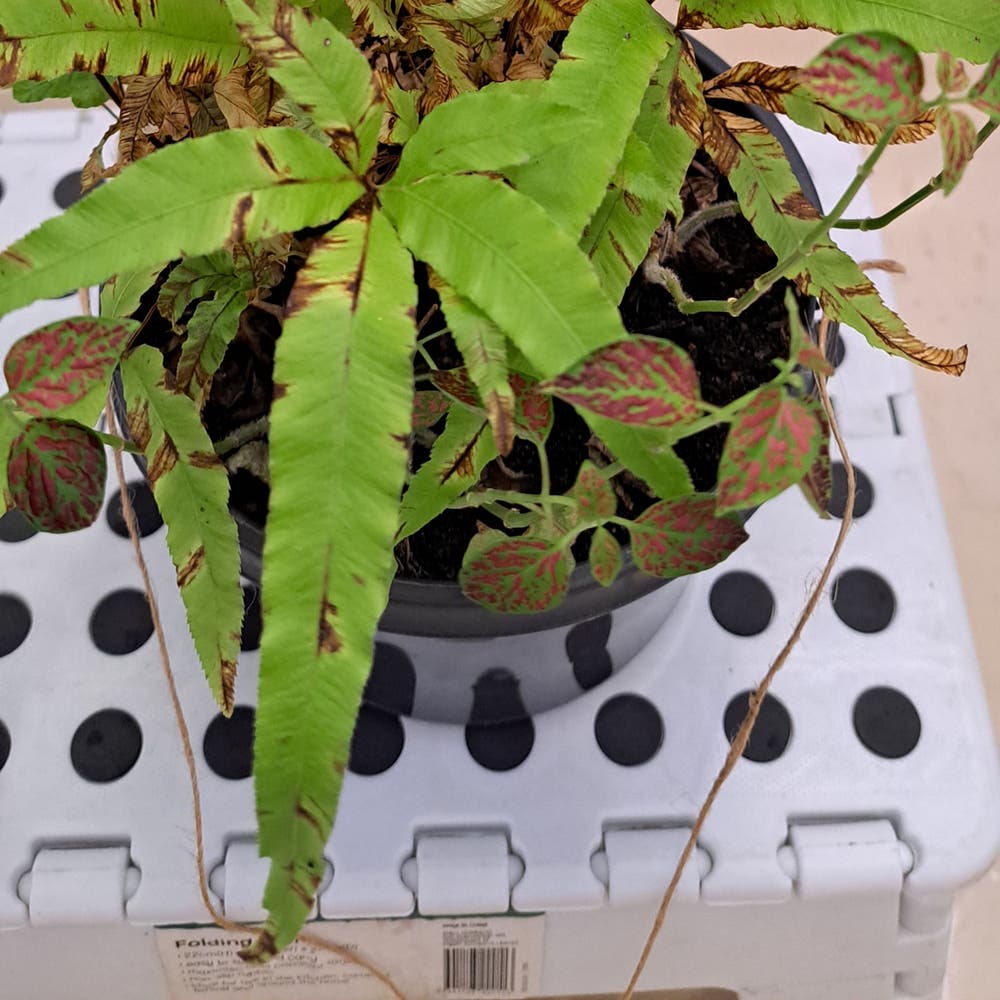
Cretan Brake, also known as the Pteris cretica, has a low tolerance for direct sunlight. Its natural habitat—under the canopy of dense forests—hints at its preference for dappled light. When exposed to the unfiltered sun, the plant's fronds can suffer, leading to a stressed and scorched appearance.
🚨 Signs of Too Much Direct Sunlight
Yellowing or browning of fronds is a telltale sign that your Cretan Brake is getting more light than it can handle. If the delicate leaves begin to look crispy or develop dry, brown patches, it's a clear SOS. This fern is practically waving a white flag, begging for relief from the sun's intense rays.

Window Direction and Cretan Brake Placement
💡 Best Practices for Positioning
East-facing windows are your Cretan Brake's best friend. They offer gentle morning light that won't overwhelm this fern. A north-facing window works too, providing consistent but muted light. Avoid the intense afternoon rays from south and west-facing windows—they're the archenemies of the delicate Cretan Brake.
💡 The Effect of Window Direction
Window direction isn't just about the view—it's about survival for your green pals. West-facing windows can be a death sentence after noon, when the sun goes full gladiator mode. If you're stuck with a south or west window, think defense. Use sheer curtains or position the plant further into the room, where the sunlight is more of a gentle caress than a fiery embrace.

Hemisphere Considerations for Cretan Brake
Navigating the seasonal shifts in sunlight for your Cretan Brake is crucial. The Earth's tilt means varying sun angles and day lengths depending on your location and the time of year.
🌍 Adjusting Care by Hemisphere
In the Northern Hemisphere, summer brings longer days and a higher sun angle, leading to more intense light. Conversely, winter means shorter days and less direct sunlight. For those in the Southern Hemisphere, it's the opposite. Your Cretan Brake will need different care to match these changes.
🌞 Seasonal Sunlight Exposure
Summer care might involve shielding your fern from harsh midday rays, while in winter, finding that spot where it can bask in the softer sunlight could be key. Remember, the Cretan Brake prefers indirect light, so even in winter, direct sun can be a no-no.
💡 Tips for Year-Round Care
- Spring and Fall: These seasons can offer the most balanced light for your Cretan Brake. Still, watch for sudden changes in sunlight intensity.
- Summer: Use sheer curtains to diffuse strong sunlight, especially during peak hours.
- Winter: Position closer to windows to maximize limited light, but avoid cold drafts.
Keep an eye on your Cretan Brake's response to seasonal light changes. If it's thriving, you're nailing the balance. If not, it's time to tweak its spot or your approach to sun protection.
Direct Sunlight and Environmental Interactions
🌡️ Temperature and Humidity Impact
Temperature and humidity play critical roles in how the Cretan Brake fern reacts to direct sunlight. High temperatures can amplify the stress caused by direct sunlight, leading to issues like leaf scorch. Conversely, high humidity can mitigate some of the negative effects by keeping the plant's microclimate more stable.
Seasonal Adjustments
As seasons change, so should your approach to caring for your Cretan Brake in direct sunlight. Winter may call for closer proximity to windows to maximize light exposure, while summer might necessitate strategic shading to prevent overheating.
Creating a Microclimate
To keep your Cretan Brake happy, consider creating a microclimate that mimics its natural habitat. This could involve using a humidifier or placing the plant on a pebble tray with water to increase ambient humidity, especially when indoor air tends to be drier.
Environmental Stress Management
Be vigilant for signs of environmental stress, such as wilting or brown spots on leaves. If you notice these signs, reassess the plant's location and the current balance of temperature, humidity, and sunlight. Adjustments might include moving the plant away from the window or providing some form of shade during the peak hours of sunlight.
Proactive Care
Prevention is better than cure. Monitor the forecast and be ready to react to heatwaves or dry spells. Keeping the soil consistently moist (but not waterlogged) can help your Cretan Brake cope with sudden spikes in temperature or light intensity.
⚠️ Safety First
This content is for general information and may contain errors, omissions, or outdated details. It is not medical, veterinary advice, or an endorsement of therapeutic claims.
Always consult a qualified healthcare professional before using any plant as food, medicine, or supplement.
Never eat any plant (or feed one to pets) without confirming its identity with at least two trusted sources.
If you suspect poisoning, call Poison Control (800) 222-1222, the Pet Poison Helpline (800) 213-6680, or your local emergency service immediately.
Spotted an error? Please report it here.
Keep your Cretan Brake happy 😊 with Greg's personalized care reminders, ensuring it thrives in the ideal light and moisture conditions from this guide.