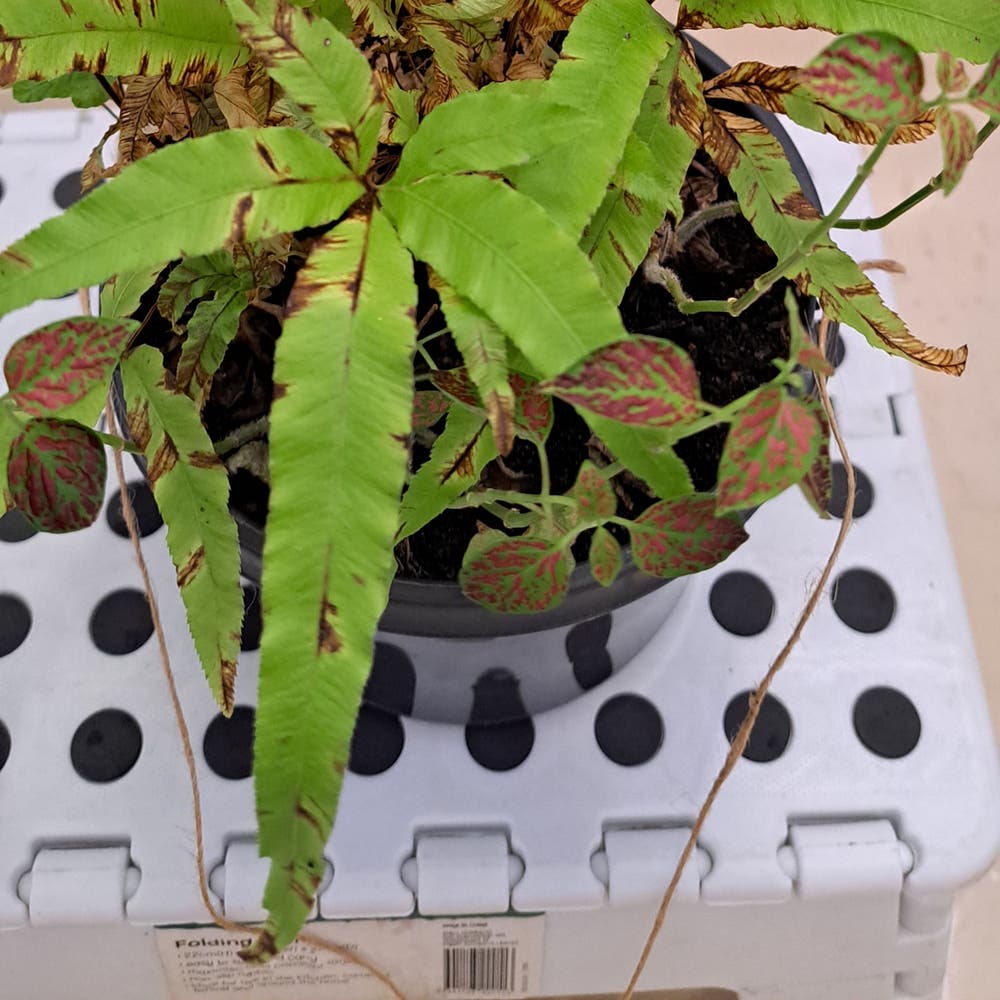
What It Means When Your Cretan Brake Wilts 🌼
Pteris cretica
By the Greg Editorial Team
Oct 02, 2024•5 min read
This article was created with the help of AI so we can cover more plants for you. May contain errors. See one? Report it here.
Transform your wilting Cretan Brake 🌱 into a thriving beauty with these essential care tips and tricks!
- 💧🌡️ Wilting in Cretan Brake is often due to water or heat stress.
- 🌱 Check soil moisture regularly to prevent overwatering or underwatering issues.
- 🌞❄️ Stable conditions are crucial; relocate for indirect sunlight if needed.
Common Causes of Wilting Leaves
💧 Water Stress
Overwatering
Overwatering is a common culprit behind wilting leaves. Symptoms include yellowing leaves and soggy soil, often caused by poor drainage or watering too frequently.
Underwatering
On the flip side, underwatering can also lead to wilting. Look for dry, crispy leaves and soil that pulls away from the pot edges, typically due to infrequent watering or dry air conditions.
🔥 Heat Stress
Heat stress can wreak havoc on your Cretan Brake. Symptoms include browning leaf tips and drooping fronds, often triggered by high temperatures or direct sunlight exposure.
Impact of Rapid Changes
Rapid environmental changes can exacerbate wilting. If your plant suddenly experiences a temperature spike or shifts from shade to sun, it may struggle to adapt.
🦠 Disease-Related Wilting
While disease can cause wilting, it’s relatively rare. Sudden wilting and discoloration are key symptoms, but most wilting cases stem from water or heat stress rather than disease.
Understanding these common causes can help you diagnose and address wilting effectively. Next, let’s explore how to diagnose wilting in your Cretan Brake.
Diagnosing Wilting
📝 Step-by-Step Guide
Assess Soil Moisture: Start by checking the top inch of the soil. Is it dry or soggy? This will give you a clear indication of whether your plant is suffering from overwatering or underwatering.
Evaluate Environmental Conditions: Next, monitor the temperature and humidity levels around your Cretan Brake. Extreme conditions can lead to stress and wilting.
Inspect Leaves: Look closely at the leaves for any discoloration, browning, or changes in texture. These signs can help pinpoint the issue.
Check for Pests or Signs of Disease: Examine the fronds for unusual spots or infestations. Pests can exacerbate wilting and should be addressed promptly.
👀 Signs to Look For
Leaf Turgidity: Healthy leaves feel firm and plump. If they’re limp, it’s a sign of stress.
Color Changes: Yellowing or browning leaves indicate that something is off. Pay attention to these changes.
Frond Droop: A significant drop in leaf position is a clear sign of wilting. This can happen quickly, so act fast.
By following these steps, you can effectively diagnose the cause of wilting in your Cretan Brake. Understanding these signs will empower you to take action and restore your plant's health.
Next, let’s explore practical solutions to address these wilting issues.
Solutions for Wilting
🌊 Addressing Water Stress
Overwatering can be a sneaky culprit behind wilting leaves. To remedy this, allow the soil to dry out before watering again and ensure proper drainage by using well-draining soil.
On the flip side, underwatering can lead to crispy, sad leaves. Water thoroughly until moisture drains from the bottom, and consider bottom watering to encourage deep root hydration.
☀️ Addressing Heat Stress
If your Cretan Brake is suffering from heat stress, it’s time for a change of scenery. Relocate the plant to a cooler area with indirect sunlight to help it recover.
Additionally, using a humidity tray or misting the leaves can increase moisture in the air, providing a much-needed boost.
🦠 Addressing Disease-Related Wilting
In the rare case that disease is suspected, swift action is essential. Remove affected fronds to prevent the spread of illness and treat with appropriate fungicides if necessary.
🌱 Techniques for Reviving a Wilted Plant
Reviving a wilted plant can be straightforward. One effective method is bottom watering: simply place the pot in a shallow tray of water for 30 minutes to allow the roots to soak up moisture.
You can also temporarily relocate the plant to a shaded area until recovery is evident. Pruning damaged leaves with clean, sharp scissors can help the plant focus its energy on new growth.
With these solutions, you can give your Cretan Brake the care it needs to bounce back. Next, let’s explore preventive measures to keep your plant thriving in the long run.
Preventive Measures
Best Practices 🌱
To keep your Cretan Brake thriving, regularly check soil moisture levels. This simple habit helps you avoid extremes that can lead to wilting.
Maintaining consistent environmental conditions is equally crucial. A stable environment reduces stress on your plant, promoting healthier growth.
Environmental Conditions to Monitor 🌡️
Temperature: Aim for an ideal range between 15°C to 25°C (59°F to 77°F). This temperature zone supports optimal growth and minimizes stress.
Humidity: Strive for moderate humidity levels, ideally between 40-60%. Keeping humidity in check helps your plant stay hydrated and vibrant.
By following these preventive measures, you can create a nurturing environment for your Cretan Brake. This proactive approach will help you enjoy a flourishing plant for years to come.
Next, let’s explore when to seek help if your plant shows signs of distress.
Seeking Help
When to Consult Experts 🕵️♂️
If your Cretan Brake is still wilting despite your best efforts, it might be time to consult an expert. Persistent wilting can indicate underlying issues that require professional insight.
Unfamiliar symptoms, such as unusual discoloration or growth patterns, may also signal disease. Don’t hesitate to seek help if you’re unsure.
Engaging with the Online Community 🌐
Online platforms like Greg can be invaluable for plant owners. Here, you can ask questions, share your experiences, and connect with fellow enthusiasts who understand your struggles.
Engaging with a community can provide fresh perspectives and solutions that you might not have considered. It’s a great way to learn from others and find support.
Conclusion 📝
With the right knowledge and care, Cretan Brake owners can help their plants thrive once again. Remember, seeking help is a sign of a dedicated plant parent, not a failure.
⚠️ Safety First
This content is for general information and may contain errors, omissions, or outdated details. It is not medical, veterinary advice, or an endorsement of therapeutic claims.
Always consult a qualified healthcare professional before using any plant as food, medicine, or supplement.
Never eat any plant (or feed one to pets) without confirming its identity with at least two trusted sources.
If you suspect poisoning, call Poison Control (800) 222-1222, the Pet Poison Helpline (800) 213-6680, or your local emergency service immediately.
Spotted an error? Please report it here.
Revive your wilting Cretan Brake with Greg's tailored watering reminders and expert tips, ensuring your plant stays lush and healthy! 🌿