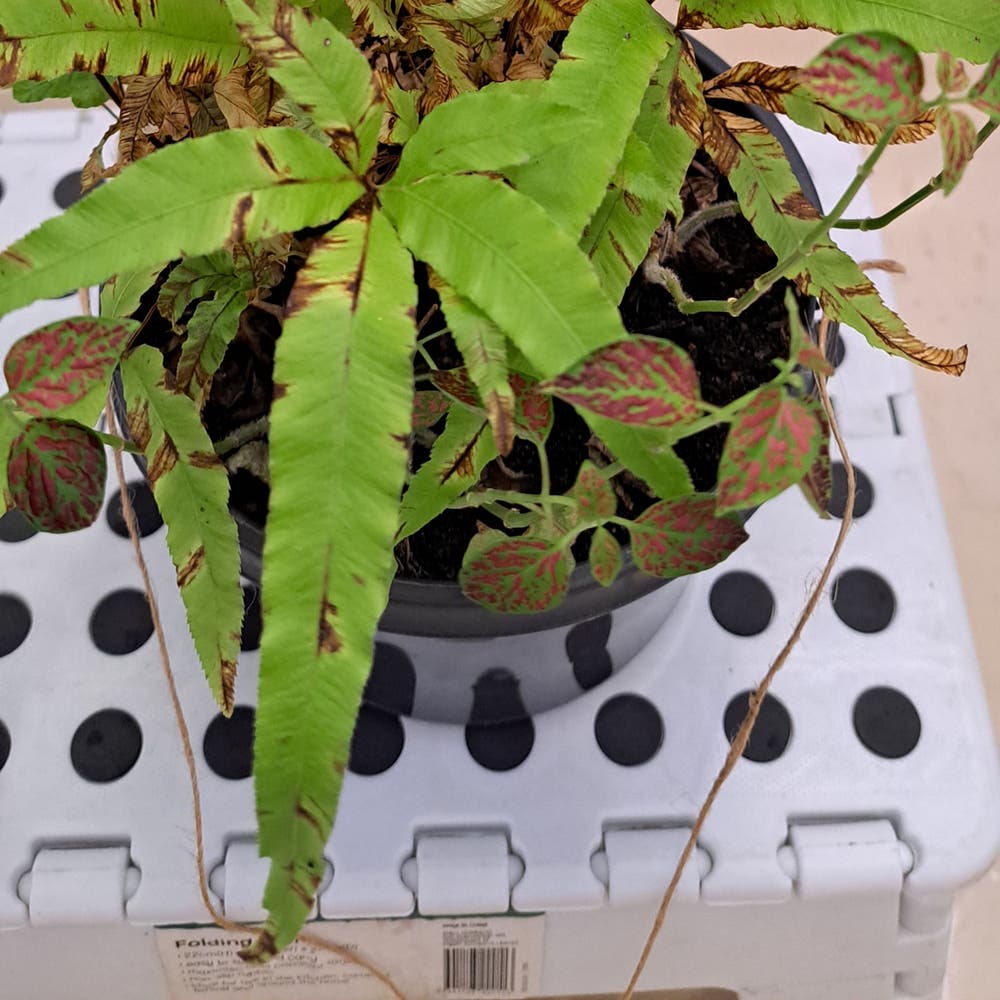
🥕 Cretan Brake Roots 101
Pteris cretica
By the Greg Editorial Team
Oct 02, 2024•6 min read
This article was created with the help of AI so we can cover more plants for you. May contain errors. See one? Report it here.
Master Cretan Brake roots 🌱 for thriving plants and unlock the secret to vibrant growth and health!
- 🌱 Cretan Brake roots thrive in diverse climates, enhancing nutrient and water absorption.
- 💧 Deep watering prevents root rot; watch for yellowing leaves as a warning sign.
- 🌿 Healthy roots are vital for propagation; divide in spring for best results.
Root System Type
Fibrous Characteristics 🌱
A fibrous root system is characterized by numerous thin roots that spread out horizontally. This structure allows for a broad network that can efficiently absorb nutrients and water.
Advantages of Fibrous Roots 🌟
The advantages of a fibrous root system are significant. With a larger surface area, these roots excel at nutrient and water absorption, making them highly effective in various soil conditions.
Adaptability of Cretan Brake Roots 🌍
Cretan Brake roots are particularly adaptable, thriving in diverse environments. This resilience enables them to flourish in different climates and soil types, showcasing their versatility.
In summary, the fibrous root system of Cretan Brake plants not only enhances their stability but also ensures they can access vital resources efficiently. This adaptability sets the stage for their robust growth, leading us to explore their depth, spread, and growth patterns next.
Depth, Spread, and Growth Patterns
Typical Depth and Spread 🌱
Cretan Brake roots typically reach an average depth of 12-24 inches (30-60 cm), depending on the soil conditions. Their roots can spread out to 3 feet (90 cm) or more, allowing for extensive nutrient uptake.
Growth Patterns 📈
These roots exhibit rapid growth during favorable conditions, such as warm temperatures and adequate moisture. Seasonal patterns show increased activity in spring and summer, while growth slows down in the fall and winter.
Understanding these growth patterns can help you optimize care for your Cretan Brake, ensuring it thrives throughout the year. Next, we’ll explore how to effectively water, fertilize, and transplant your plants for maximum health.
Watering, Fertilizing, and Transplanting
Watering Needs 🌊
Deep watering is crucial for Cretan Brake roots. This practice encourages roots to grow deeper, enhancing their ability to absorb nutrients and moisture.
Watch for signs of overwatering, such as yellowing leaves or wilting plants, even when the soil feels moist. These indicators can signal that your plant is struggling.
Fertilization Considerations 🌱
During the growing season, a balanced fertilizer is essential for healthy growth. This ensures that your Cretan Brake receives the nutrients it needs to thrive.
Adjust your fertilization routine based on the health of the roots. If you notice any issues, it may be time to reassess your feeding strategy.
Best Practices for Transplanting 🌼
Transplanting should ideally occur in early spring or fall. This timing allows the plant to establish itself before extreme weather conditions set in.
Preparation is key; water the plant thoroughly before transplanting to minimize stress.
When transplanting, aim to keep the root ball intact. This technique reduces root disturbance and helps your plant adjust more easily to its new environment.
By following these guidelines, you can ensure your Cretan Brake roots remain healthy and robust, setting the stage for vibrant growth. Next, let’s explore common root-related issues and how to identify them.
Common Root-Related Issues
🕵️ Identifying Problems
Root health is crucial for your plants, and recognizing issues early can save them. One of the most common problems is root rot, which manifests as dark, mushy roots accompanied by a foul odor.
Fungal infections can also plague roots, leading to further deterioration. Keep an eye out for these symptoms to ensure your plants remain healthy.
🚫 Prevention Tips
Preventing root-related issues starts with the right soil. Ensure you use well-draining soil to avoid waterlogging, which can lead to root rot.
Regular inspections during repotting are essential. Look for any signs of disease, and address them promptly to keep your plants thriving.
By staying proactive, you can maintain robust root systems that support healthy growth. This vigilance will pay off in the long run, ensuring your plants flourish.
Next, let’s explore the differences between healthy and unhealthy roots to further enhance your plant care knowledge.
Healthy vs Unhealthy Roots
👀 Visual Cues for Health
Healthy roots are your plant's lifeline. Look for firm roots that are white or light tan in color, with no unpleasant odors.
When roots fill the pot without circling excessively, it’s a good sign. This indicates they are thriving and ready for growth.
⚠️ Indicators of Unhealthy Roots and Actions
Unhealthy roots can be a red flag for your plant's overall health. Signs include dark, mushy, or slimy textures that suggest root rot or disease.
If you notice these symptoms, take action. Trim the affected roots, repot the plant in fresh soil, and adjust your watering practices to prevent future issues.
By keeping a close eye on root health, you can ensure your plants remain vibrant and resilient.
As we move forward, let’s explore how to identify and address rootbound conditions, which can also impact your plant's growth.
Rootbound Plants
Definition and Signs 🌱
A rootbound plant has roots that have filled the pot, often circling around the edges. You can spot this condition by looking for signs like stunted growth, roots emerging from drainage holes, or wilting despite adequate watering.
Addressing Rootbound Issues 🛠️
To tackle rootbound conditions, timing is crucial. Always check for these issues during repotting.
- Repotting: Move the plant into a larger container to give roots room to expand.
- Pruning: Trim any circling roots to encourage new growth and vitality.
By addressing rootbound issues promptly, you can help your plants thrive and flourish. This proactive approach ensures they have the space they need to develop a healthy root system.
Next, let’s explore the importance of root health in propagation and division.
Propagation and Division
Importance of Root Health 🌱
Healthy roots are the backbone of successful propagation and division. Strong root systems not only support new growth but also enhance resilience against environmental stressors.
Techniques for Dividing Effectively ✂️
1. Timing ⏰
The best time to divide your plants is in spring or early summer. This timing allows for optimal growth as the plant enters its active growing phase.
2. Method 🛠️
Carefully separate clumps of roots to avoid damage. Ensure that each division has enough roots and foliage to thrive independently.
3. Aftercare 💧
Once divided, water the new plants thoroughly. Providing indirect light will help them establish without overwhelming them.
By focusing on root health and employing effective division techniques, you can ensure your plants flourish. This sets the stage for vibrant growth and a thriving garden.
⚠️ Safety First
This content is for general information and may contain errors, omissions, or outdated details. It is not medical, veterinary advice, or an endorsement of therapeutic claims.
Always consult a qualified healthcare professional before using any plant as food, medicine, or supplement.
Never eat any plant (or feed one to pets) without confirming its identity with at least two trusted sources.
If you suspect poisoning, call Poison Control (800) 222-1222, the Pet Poison Helpline (800) 213-6680, or your local emergency service immediately.
Spotted an error? Please report it here.
Unlock the secret to thriving roots 🌿 with Greg's custom watering alerts and care tips, ensuring your Cretan Brake plants flourish like never before!