📍 3 Ideal Locations to Plant Jersey Fern
Pteris cretica
By the Greg Editorial Team
Sep 29, 2024•5 min read
This article was created with the help of AI so we can cover more plants for you. May contain errors. See one? Report it here.
Master the art of nurturing your Jersey Fern 🌿 with essential tips on sunlight, soil, and companion planting for vibrant growth!
- 🌳 Jersey Fern thrives in full shade, mimicking its natural habitat for optimal growth.
- 💧 Avoid direct sunlight to prevent leaf scorch and dehydration in Jersey Fern.
- 🌱 Rich, well-draining soil with pH 5.0-7.0 is essential for healthy growth.
Sunlight Exposure
🌳 Full Shade vs. Partial Shade
Jersey Fern thrives in full shade, closely resembling its natural habitat. This environment allows the fern to flourish without the stress of direct sunlight.
Partial shade is also acceptable, but keep an eye out for signs of stress during extreme heat. If the leaves start to curl or discolor, it may be time to adjust its location.
☀️ Effects of Direct Sunlight
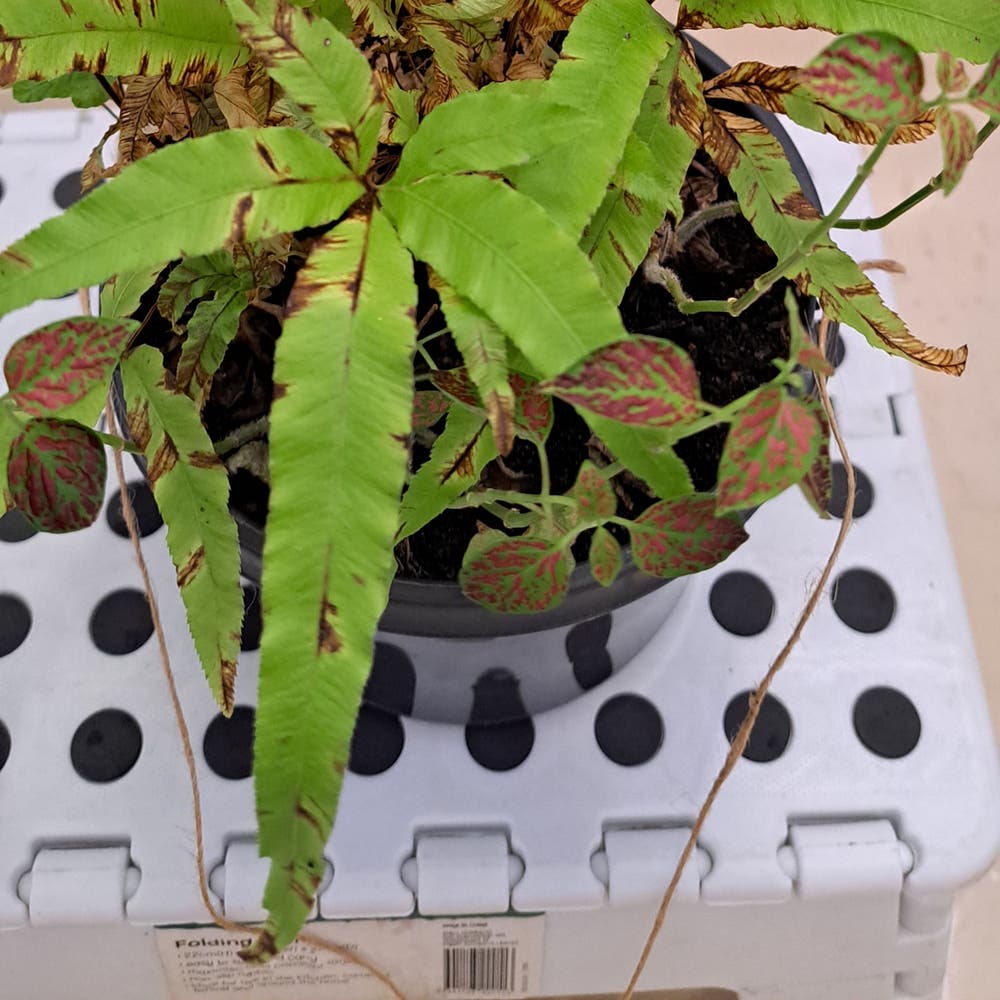
Direct sunlight poses significant risks, including leaf scorch and dehydration. These conditions can quickly damage your fern, leading to unsightly brown edges on the leaves.
Dappled light is the ideal compromise, providing the necessary illumination without the harshness of full sun. This gentle light encourages healthy growth while protecting the delicate fronds from damage.
Understanding the right sunlight exposure is crucial for the health of your Jersey Fern. Next, let's explore the importance of soil type and conditions for optimal growth.
Soil Type and Conditions
🌱 Preferred Soil pH and Texture
Jersey Fern thrives best in soil with a pH range of 5.0 to 7.0, leaning slightly acidic to neutral. This balance ensures optimal nutrient availability for healthy growth.
The ideal soil texture is rich, well-draining loam that retains moisture without becoming soggy. This combination supports the fern's natural habitat, promoting robust development.
🍂 Importance of Organic Matter
Organic matter plays a crucial role in enhancing soil fertility and moisture retention. It acts like a sponge, holding water and nutrients that the Jersey Fern needs to flourish.
To boost soil structure, consider adding compost or well-rotted leaf litter. These amendments not only enrich the soil but also create a thriving environment for your fern.
In summary, focusing on the right soil type and enriching it with organic matter will set the stage for your Jersey Fern to thrive. Next, let’s explore how to position your fern for optimal growth by considering its proximity to other plants and structures.
Proximity to Other Plants and Structures
🌱 Companion Planting Considerations
When planting Jersey Fern, consider its ideal companions. Shade-loving plants like hostas and astilbes thrive alongside it, creating a lush, vibrant environment.
Companion planting not only enhances biodiversity but also provides a natural habitat for beneficial insects. This symbiotic relationship can lead to healthier plants and a more dynamic garden ecosystem.
🏢 Impact of Nearby Structures on Light and Wind
Be mindful of nearby structures when choosing a planting spot. Tall buildings or fences can block essential light, which Jersey Fern needs to flourish.
For wind protection, plant near natural barriers like shrubs or trees. These features can shield your ferns from harsh winds, ensuring they remain healthy and hydrated.
In summary, selecting the right companions and considering the impact of structures can significantly enhance the growth and vitality of your Jersey Fern. Next, let’s explore how to assess the best spot for planting by evaluating microclimates.
Assessing the Best Spot
🌤️ Evaluating Microclimates
Identifying Warm and Cool Areas
Finding the right microclimate is crucial for your Jersey Fern. Warm areas, like south-facing slopes, can provide indirect light that encourages growth without overwhelming the plant.
In contrast, cool areas, especially north-facing spots, retain moisture and offer the shade that Jersey Fern thrives in. Understanding these nuances can make all the difference in your planting success.
Using Existing Landscape Features
Leverage the natural features of your landscape to benefit your fern. Trees and shrubs can create essential shade, helping to maintain moisture levels around the plant.
Additionally, assessing ground cover is vital. It not only helps retain humidity but also contributes to a healthier ecosystem for your Jersey Fern.
🌬️ Wind Protection
Importance of Shelter from Strong Winds
Wind can be a silent enemy to your Jersey Fern. Exposure to strong winds can damage fronds and lead to increased water loss, stressing the plant.
To combat this, look for natural barriers like hedges or consider artificial windbreaks. These can provide the necessary protection to keep your fern thriving.
Natural Barriers vs. Artificial Structures
Natural barriers are often the best choice for both aesthetics and ecological benefits. They blend seamlessly into your garden while providing essential shelter.
Artificial structures should be a last resort. If you must use them, ensure they complement the landscape to maintain visual harmony.
💧 Drainage Considerations
Assessing Soil Drainage Capabilities
Good drainage is vital for the health of your Jersey Fern. Signs of well-draining soil include it drying out slightly between waterings, indicating a balanced moisture level.
To test drainage, dig a hole and fill it with water. Observe how quickly it drains; this will give you insight into your soil's capabilities.
Importance of Avoiding Waterlogged Conditions
Waterlogged conditions pose serious risks, such as root rot and fungal diseases. It's crucial to avoid these situations to keep your fern healthy.
Consider solutions like raised beds or mounds to improve drainage in heavy soils. This proactive approach can significantly enhance your planting success.
With these considerations in mind, you're well on your way to finding the perfect spot for your Jersey Fern. Next, let’s explore the best indoor and outdoor locations for planting.
Indoor and Outdoor Planting
Best Indoor Locations 🌿
For indoor planting, Jersey Fern thrives best near north-facing windows or in shaded areas. These spots provide the gentle light the fern craves without overwhelming it.
Humidity is crucial for indoor ferns. Consider using a humidity tray or misting the leaves regularly to keep the moisture levels just right.
Best Outdoor Locations 🌳
Outdoors, look for shady corners of your garden, especially under trees or alongside shaded structures. These areas mimic the fern's natural habitat, offering the cool, filtered light it loves.
Moist environments are also ideal. Plant Jersey Fern near water features or in naturally damp spots to ensure it stays hydrated and happy.
With the right indoor and outdoor locations, your Jersey Fern will flourish, bringing a touch of lush greenery to your space. Next, let’s explore how to assess the best spot for planting by evaluating microclimates.
⚠️ Safety First
This content is for general information and may contain errors, omissions, or outdated details. It is not medical, veterinary advice, or an endorsement of therapeutic claims.
Always consult a qualified healthcare professional before using any plant as food, medicine, or supplement.
Never eat any plant (or feed one to pets) without confirming its identity with at least two trusted sources.
If you suspect poisoning, call Poison Control (800) 222-1222, the Pet Poison Helpline (800) 213-6680, or your local emergency service immediately.
Spotted an error? Please report it here.
Ensure your Jersey Fern thrives in its ideal spot 🌿 by using Greg's tailored care tips and reminders for perfect light, moisture, and soil conditions!