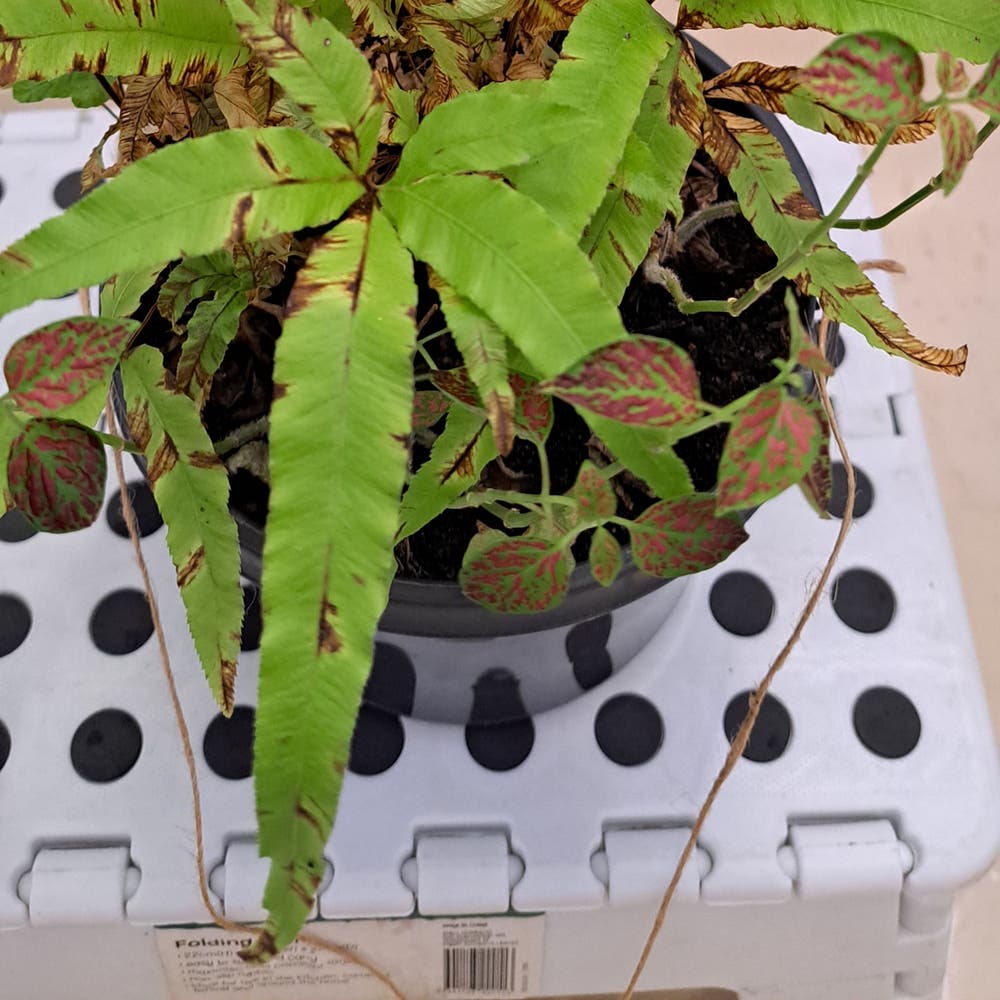
Cretan Brake is Not an Invasive Plant
Pteris cretica
By the Greg Editorial Team
Oct 02, 2024•4 min read
This article was created with the help of AI so we can cover more plants for you. May contain errors. See one? Report it here.
Create a wildlife-friendly garden 🌍 with the low-maintenance, versatile Cretan Brake plant! 🌿
- 🌱 Cretan Brake is non-invasive, thriving in partial shade and well-drained soils.
- 🦋 Supports biodiversity by attracting beneficial insects and providing wildlife shelter.
- 🌿 Drought-tolerant and low-maintenance, it's perfect for novice and experienced gardeners alike.
Growth Habits
Typical Patterns in Gardens 🌿
Cretan Brake exhibits a charming clumping habit, characterized by its feathery fronds that add texture to any garden. This plant thrives in partial shade and well-drained soils, making it a versatile choice for various garden designs.
Its low maintenance requirements mean you can enjoy its beauty without constant upkeep. Whether you're a seasoned gardener or just starting, Cretan Brake fits seamlessly into your landscape.
Natural Limits to Growth and Spread 🌱
Typically, Cretan Brake reaches moderate heights of 1 to 2 feet, making it an unobtrusive addition to your garden. Its drought tolerance helps limit excessive spread, allowing it to thrive in specific soil conditions without overwhelming other plants.
This balance ensures that Cretan Brake remains a manageable and beneficial component of your garden ecosystem. By understanding its growth habits, you can effectively incorporate it into your landscape design.
Next, let’s explore the ecological role of Cretan Brake and how it benefits local wildlife and ecosystems.
Ecological Role
Benefits in Ecosystems 🌍
Cretan Brake plays a vital role in local ecosystems by providing shelter and food for various wildlife. Insects and small mammals find refuge among its feathery fronds, making it a crucial player in the food web.
Additionally, this plant contributes to soil stability, preventing erosion in garden settings. Its root system helps anchor the soil, ensuring that your garden remains intact even during heavy rains.
Positive Interactions with Local Wildlife 🐝
One of the standout features of Cretan Brake is its ability to attract beneficial insects and pollinators. Bees and butterflies are drawn to its lush foliage, enhancing pollination in your garden.
Moreover, Cretan Brake coexists harmoniously with other native plants, boosting overall biodiversity. This synergy creates a thriving ecosystem, making your garden not just a beautiful space but also a haven for wildlife.
Incorporating Cretan Brake into your garden design not only enriches the landscape but also supports the local ecosystem. As we explore garden management next, consider how these ecological benefits can influence your gardening choices.
Garden Management
Incorporating into Garden Designs 🌿
Cretan Brake is a fantastic choice for ground cover or as an accent plant in shaded areas. Its feathery fronds add texture and interest, making it a versatile addition to various garden designs.
Pairing Cretan Brake with other non-invasive plants can create a vibrant and diverse ecosystem. This combination not only enhances visual appeal but also supports local wildlife, promoting a healthy garden environment.
Controlling Growth ✂️
To keep Cretan Brake looking its best, regular trimming is essential. This practice helps maintain the desired shape and size, ensuring it fits seamlessly into your garden layout.
Monitoring growth patterns is also crucial to prevent overcrowding. By staying attentive, you can enjoy the beauty of Cretan Brake without it overwhelming your other plants.
Incorporating these management techniques will ensure that your garden thrives, setting the stage for a smooth transition to exploring comparisons with other plants.
Comparison to Other Plants
🌱 Similar Non-Invasive Plants
Cretan Brake shares its garden space with other non-invasive plants like the Maidenhair fern and Japanese painted fern. These plants also exhibit a clumping habit and thrive in similar conditions, making them excellent companions in shaded areas.
Their aesthetic appeal is undeniable, with delicate fronds that add texture and depth to any garden. Together, they create a lush, vibrant environment that enhances the overall beauty of your landscape.
✨ Unique Qualities
What sets Cretan Brake apart is its striking foliage, which remains attractive throughout the growing season. Its drought tolerance means it can withstand periods of dry weather, making it a resilient choice for various garden designs.
Additionally, Cretan Brake requires minimal maintenance, allowing gardeners to enjoy its beauty without the hassle. This plant plays a vital role in sustainable gardening practices, promoting biodiversity and supporting local wildlife.
Incorporating Cretan Brake into your garden not only enhances its visual appeal but also contributes positively to the ecosystem. As you explore your gardening options, consider how this remarkable plant can enrich your outdoor space.
Legal and Environmental Considerations
🌱 Classifications and Guidelines
When considering the planting of Cretan Brake, it's essential to be aware of local regulations. Many regions have guidelines that promote the use of non-invasive species to protect native ecosystems.
Understanding how Cretan Brake interacts with local flora and fauna is crucial. This knowledge helps gardeners make informed decisions that benefit both their gardens and the surrounding environment.
♻️ Role in Sustainable Gardening Practices
Incorporating non-invasive plants like Cretan Brake into garden designs is a step toward sustainability. These plants not only enhance aesthetics but also support local wildlife.
Promoting soil health and fostering wildlife interactions through responsible gardening practices can create a thriving ecosystem. By choosing plants that coexist harmoniously with nature, gardeners contribute to a healthier environment for all.
As we move forward, let’s explore how to effectively manage Cretan Brake in our gardens.
⚠️ Safety First
This content is for general information and may contain errors, omissions, or outdated details. It is not medical, veterinary advice, or an endorsement of therapeutic claims.
Always consult a qualified healthcare professional before using any plant as food, medicine, or supplement.
Never eat any plant (or feed one to pets) without confirming its identity with at least two trusted sources.
If you suspect poisoning, call Poison Control (800) 222-1222, the Pet Poison Helpline (800) 213-6680, or your local emergency service immediately.
Spotted an error? Please report it here.
Discover the charm of Cretan Brake, a biodiversity booster 🌱 that thrives with minimal care, and let Greg provide you with personalized tips to keep your garden flourishing!