❄️ Top 4 Signs Your Cretan Brake is Stressed in Winter
Pteris cretica
By the Greg Editorial Team
Oct 02, 2024•6 min read
This article was created with the help of AI so we can cover more plants for you. May contain errors. See one? Report it here.
Ensure your Cretan Brake thrives through winter's chill 🌬️ with these essential care tips for vibrant growth!
- ❄️ Cretan Brake needs specific care in winter to survive extreme cold stress.
- 🌱 Yellowing leaves and wilting fronds indicate nutrient deficiency or dehydration issues.
- 🌬️ Frost protection methods like burlap are essential for winter care and recovery.
How Cretan Brake Adapts to Winter Conditions
❄️ Cold Hardiness
Cretan Brake exhibits a remarkable tolerance to mild frost, making it resilient in cooler temperatures. However, it becomes sensitive to extreme cold, which can lead to stress and damage.
To combat cold stress, this plant has developed unique adaptations. These features help it retain moisture and withstand harsh winter conditions, ensuring its survival even when temperatures dip.
🌬️ Importance of Microclimates
The location of Cretan Brake plays a crucial role in its winter survival. Microclimates—small areas with distinct climate conditions—can significantly affect how well the plant endures winter.
Plants situated in sheltered spots often fare better than those exposed to harsh winds. Understanding these microclimates can help you choose the best planting locations for optimal winter resilience.
Signs of Stress in Cretan Brake
🌿 Yellowing Leaves and Fronds
Yellowing leaves and fronds are clear indicators of nutrient deficiency or environmental stress in your Cretan Brake. This can often stem from inadequate light or overwatering, both of which can disrupt the plant's health.
💧 Wilting or Drooping Fronds
If you notice wilting or drooping fronds, it’s a sign of dehydration or potential root issues. Checking soil moisture levels regularly is crucial to prevent further stress.
🔥 Browning Tips and Edges
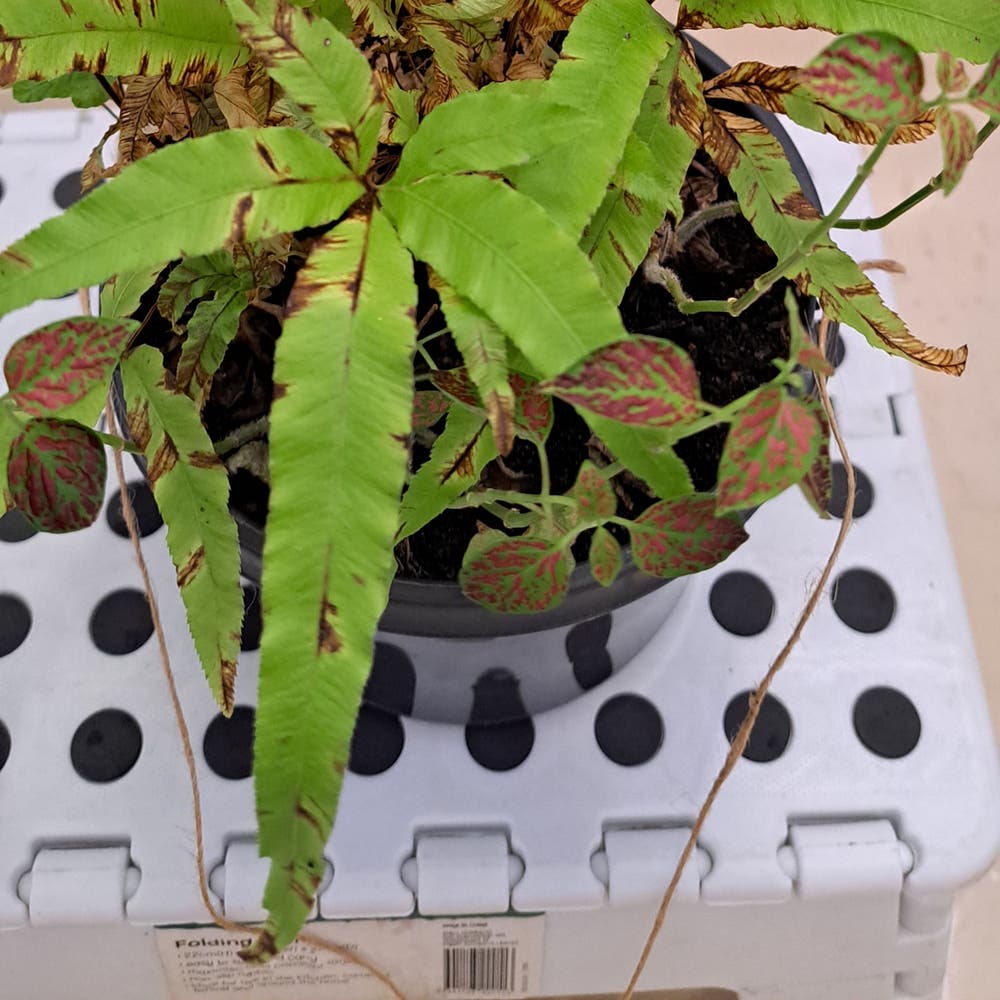
Browning tips and edges can signal frost damage or low humidity levels. These symptoms are often linked to environmental conditions, such as wind exposure and temperature fluctuations.
📉 Stunted Growth or Lack of New Growth
Stunted growth or a lack of new growth indicates severe stress or dormancy issues. Monitoring growth patterns during winter is essential to ensure your Cretan Brake is on the path to recovery.
Understanding these signs can help you take proactive measures to support your Cretan Brake through the winter months. Next, let’s explore the winter care requirements to keep your plant thriving.
Winter Care Requirements
❄️ Frost Protection Methods
To shield your Cretan Brake from winter's chill, covering it with frost cloth or burlap is essential. These materials provide effective insulation, helping to retain warmth and moisture.
Mulching around the base of the plant offers additional root protection. A thick layer of mulch acts as a barrier against freezing temperatures, ensuring the roots stay cozy.
Choosing the right location is also crucial. Opt for sheltered spots that minimize frost exposure, such as areas with natural windbreaks or near structures.
💧 Adjusting Watering Schedules for Winter
During winter, it's important to reduce watering frequency. This helps prevent root rot, as the plant enters dormancy and requires less moisture.
Regular soil moisture checks are vital. Stick your finger into the soil to gauge moisture levels; if it feels damp, hold off on watering.
Don't overlook drainage! Ensure that pots or garden beds have adequate drainage to prevent water from pooling, which can lead to root issues.
🥦 Fertilizing Considerations During Dormancy
Avoid fertilizing your Cretan Brake during winter. Fertilizers can stimulate unwanted growth, making the plant more vulnerable to cold stress.
Instead, focus on using slow-release fertilizers before dormancy. This practice helps prepare the plant for the challenges of winter without risking over-stimulation.
🏠 Indoor Care Tips
If you're transitioning your Cretan Brake indoors, acclimatization is key. Gradually introduce it to indoor conditions to minimize shock.
Ensure the plant receives adequate indirect light. A bright spot away from direct sunlight will help maintain its health during the colder months.
Humidity control is also essential. Keep moisture levels up in indoor environments to prevent the plant from drying out, which can lead to stress.
With these winter care requirements, your Cretan Brake will be well-equipped to handle the cold. Next, let’s explore how to prepare for spring growth and recovery.
Spring Preparation and Recovery
🌱 Signs of Recovery from Winter Stress
As winter fades, look for new growth emerging from your Cretan Brake. This is a clear indicator that your plant is regaining its health and vitality.
Monitor the color and texture of the fronds closely. Vibrant green hues and firm textures signal that your plant is bouncing back from winter stress.
🌼 Preparing for Spring Growth
To ensure a smooth transition, gradually reintroduce your Cretan Brake to outdoor conditions. This hardening-off process helps acclimate the plant to varying temperatures and sunlight.
Consider amending the soil to enhance nutrient availability. Adding organic matter can boost the soil's fertility, setting the stage for robust spring growth.
✂️ Pruning and Maintenance After Winter
Timing is crucial when it comes to pruning your Cretan Brake. Early spring is ideal for removing any dead or damaged fronds, allowing the plant to focus its energy on new growth.
Don't underestimate the importance of this maintenance step. Removing unhealthy fronds encourages the plant to thrive and flourish as it enters the growing season.
With these preparations in place, your Cretan Brake will be well-equipped to embrace the warmth of spring. Next, let’s explore common problems and solutions to keep your plant healthy throughout the season.
Common Problems and Solutions
🌨️ Addressing Frost Damage
Frost damage can be a real concern for your Cretan Brake during winter. Look for signs like browning fronds, which indicate that the plant has been exposed to freezing temperatures.
To help your plant recover, prune away the damaged fronds. This not only improves appearance but also encourages new growth as the plant redirects energy to healthier parts.
💧 Solutions for Overwatering or Underwatering During Winter
Overwatering can lead to root rot, a common issue in winter. Signs include yellowing leaves and a mushy texture at the base of the plant.
On the flip side, underwatering shows up as wilting or drooping fronds. To correct this, check the soil moisture regularly and adjust your watering schedule accordingly.
🐜 Identifying Pests or Diseases That May Arise in Winter
Winter isn't just cold; it's also a time when pests like aphids and spider mites can invade your Cretan Brake. Regular inspections can help you catch these pests early.
For prevention, consider using organic treatments to keep your plants healthy. If you notice signs of fungal infections, act quickly with appropriate disease management strategies to protect your plant's vitality.
By staying vigilant and proactive, you can ensure your Cretan Brake thrives even in the harshest winter conditions. Now, let’s explore how to prepare for spring growth and recovery!
⚠️ Safety First
This content is for general information and may contain errors, omissions, or outdated details. It is not medical, veterinary advice, or an endorsement of therapeutic claims.
Always consult a qualified healthcare professional before using any plant as food, medicine, or supplement.
Never eat any plant (or feed one to pets) without confirming its identity with at least two trusted sources.
If you suspect poisoning, call Poison Control (800) 222-1222, the Pet Poison Helpline (800) 213-6680, or your local emergency service immediately.
Spotted an error? Please report it here.
Keep your Cretan Brake thriving this winter ❄️ by using Greg's personalized care tips to tackle stress signs like yellowing leaves and drooping fronds, ensuring a vibrant recovery come spring!