🌿 Everything You Need to Know to Grow Jersey Fern
Pteris cretica
By the Greg Editorial Team
Sep 29, 2024•5 min read
This article was created with the help of AI so we can cover more plants for you. May contain errors. See one? Report it here.
Cultivate vibrant Jersey Ferns 🌿 effortlessly with essential care tips for a lush, thriving space!
- 🌳 Jersey Ferns thrive in shade; avoid direct sunlight to prevent leaf burn.
- 💧 High humidity and consistent moisture are crucial for healthy growth.
- 🌱 Use well-draining, slightly acidic soil for optimal Jersey Fern health.
Cultivation Techniques
🌳 Choosing the Right Location
FindingJersey ferns spot for your Jersey Fern is crucial. These ferns thrive in shade, so shield them from direct sunlight to prevent leaf burn.
Moderate temperatures are ideal for their growth. Aim for a space that maintains a consistent, comfortable climate.
High humidity levels are essential for Jersey Ferns. If your environment is dry, consider using a humidifier or placing a tray of water nearby to boost moisture.
🌱 Soil Preparation
The right soil pH is vital for Jersey Ferns. Aim for a slightly acidic range of 5.5 to 6.5 to promote healthy growth.
Well-draining soil is a must to prevent root rot. Mix in organic matter, like compost, to enhance nutrient retention and support robust development.
🌼 Planting Methods
When planting Jersey Ferns, maintain a spacing of 12-18 inches apart. This allows each plant enough room to flourish without competing for resources.
Planting depth is also important for optimal root establishment. Ensure that the roots are well-covered but not buried too deep.
Consider whether to plant in containers or directly in the ground. Each method has its benefits, so choose based on your space and aesthetic preferences.
With these cultivation techniques in mind, you're well on your way to nurturing healthyJersey fernns. Next, let’s dive into the essential aspects of watering and fertilizing to keep your ferns thriving.
Watering and Fertilizing
Watering Requirements 🌧️
Consistent moisture is crucial for Jersey ferns, especially during their growth phase. Aim to keep the soil evenly moist, but avoid waterlogging.
For effective watering, consider methods like drip irrigation or misting. These techniques help maintain humidity and ensure your ferns receive the right amount of water without stress.
Fertilizing Schedule and Types of Fertilizers 🌱
Fertilize your Jersey ferns monthly during the growing season to promote healthy growth. A balanced, slow-release fertilizer works best, providing essential nutrients over time.
Choosing the right fertilizer can make a significant difference. Look for options specifically formulated for ferns to ensure optimal health and vitality.
With proper watering and fertilizing, your Jersey ferns will thrive beautifully. Next, let’s explore pruning and maintenance techniques to keep your plants in top shape.
Pruning and Maintenance
When and How to Prune 🌿
Pruning your Jersey fern is essential for promoting healthy growth. The best times to prune are early spring or late fall, allowing the plant to rejuvenate during its active growth phases.
To prune effectively, focus on removing dead or damaged fronds. This encourages new growth and keeps your fern looking vibrJersey fernsgoing Care Routine 🕒 Monitoring your fern's growth is crucial. Healthy plants exhibit lush, green fronds, while unhealthy ones may show signs like yellowing leaves or stunted growth.
Adjust yourcontainertine with the seasons. For instance, increase humidity during dry winter months and ensure adequate watering durrootshe summer heat.
With these pruning and maintenance tips, your Jersey fern will thrive beautifully, setting the stage for the next section on common challenges and solutions.
Common Challenges and Solutions
🐛 Identifying and Managing Pests
Pests can be a real headache for Jersey fern enthusiasts. The most common culprits are aphids and scale insects, which can sap the vitality of your plants.
To combat these pests, you have a couple of options. Organic methods, like insecticidal soap or neem oil, are effective and eco-friendly. If you prefer chemical solutions, ensure you follow the instructions carefully to avoid harming your ferns.
🦠 Addressing Diseases
Diseases can also threaten your Jersey ferns. Root rot and leaf spot are two of the most frequent issues you might encounter.
Preventing these diseases starts with proper watering and drainage. Ensurextreme weather conditionsng and avoid overwatering to keep your ferns healthy.
🌤️ Environmental Challenges
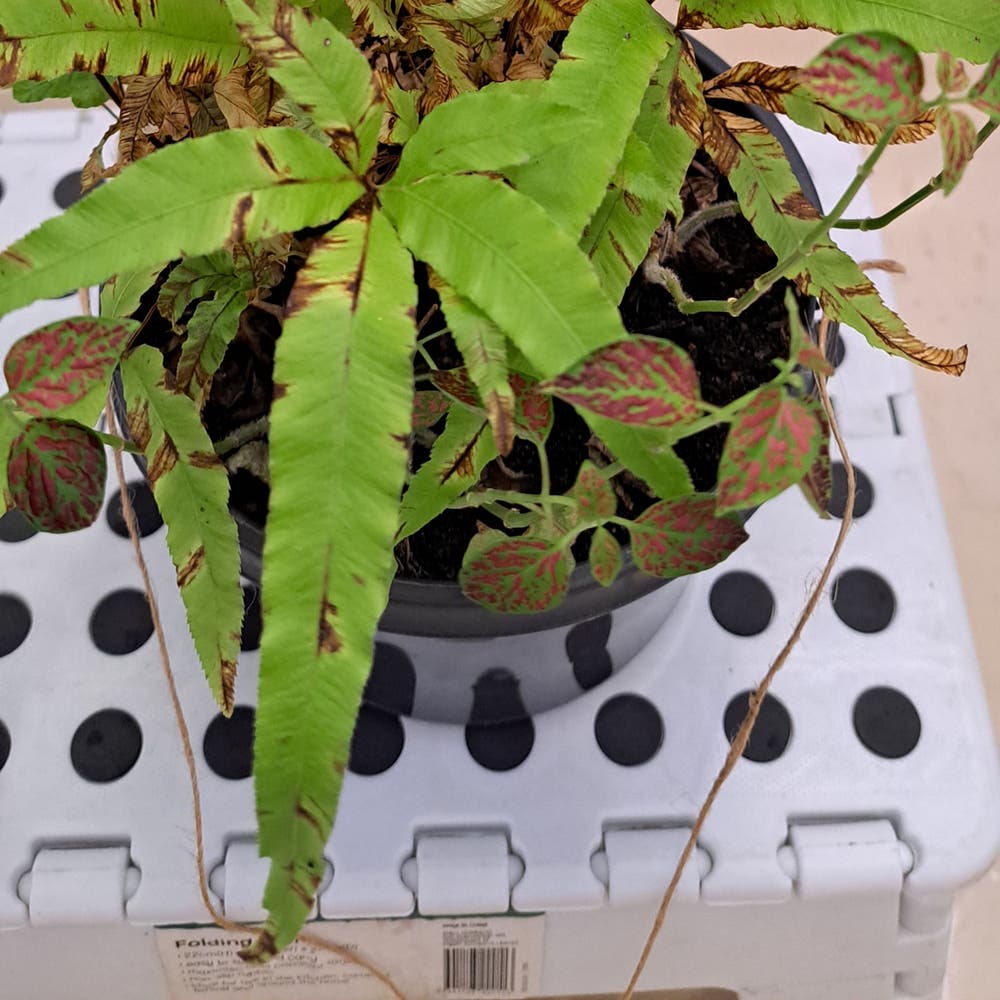
Environmental factors can also pose challenges. Too much sun can lead to sunburn, which manifests as brown, crispy leaf edges.
To mitigate this, provide shade during peak sunlight hours. If your ferns are indoors, consider relocating them to a spot with indirect light.
Low humidity is another concern, especially in dry climates. To maintain humidity levels, mist your ferns regularly or use a humidifier to create a more favorable environment.
By addressing these common challenges, you can keep your Jersey ferns thriving and beautiful. Next, let’s explore the best practices for growing these ferns in containers.
Growing in Containers
Best Practices for Container Gardening 🌱
Choosing the right container size is crucial for your Jersey Fern's growth. Aim for pots that are at least 10-12 inches in diameter to give roots ample space to expand.
Drainage is another key factor. Ensure your containers have drainage holes to prevent waterlogging, which can lead to root rot. Using materials like clay or terracotta can help with moisture control.
Choosing the Right Pot and Soil Mix 🪴
For the ideal soil mix, combine peat, perlite, and compost. This blend provides excellent aeration and retains moisture, essential for healthy fern growth.
When selecting pot materials, consider the benefits of each. Ceramic pots offer durability and aesthetic appeal, while plastic pots are lightweight and often more affordable.
Tips for Indoor vs. Outdoor Container Growing ☀️
Indoor ferns thrive in bright, indirect light and require consistent humidity. Consider placing a humidifier nearby or misting the leaves regularly to maintain moisture levels.
For outdoor containers, protect your ferns from extreme weather conditions. Use shade cloths during hot spells and bring pots indoors during frost to ensure your plants remain healthy and vibrant.
With these container gardening tips, you can create a thriving environment for your Jersey Fern, whether indoors or out. Next, let’s explore the essential watering and fertilizing techniques to keep your ferns flourishing.
⚠️ Safety First
This content is for general information and may contain errors, omissions, or outdated details. It is not medical, veterinary advice, or an endorsement of therapeutic claims.
Always consult a qualified healthcare professional before using any plant as food, medicine, or supplement.
Never eat any plant (or feed one to pets) without confirming its identity with at least two trusted sources.
If you suspect poisoning, call Poison Control (800) 222-1222, the Pet Poison Helpline (800) 213-6680, or your local emergency service immediately.
Spotted an error? Please report it here.
Ensure your Jersey Ferns flourish with Greg's tailored care tips 🌱, providing you with personalized reminders and expert advice to create the perfect environment for your ferns!