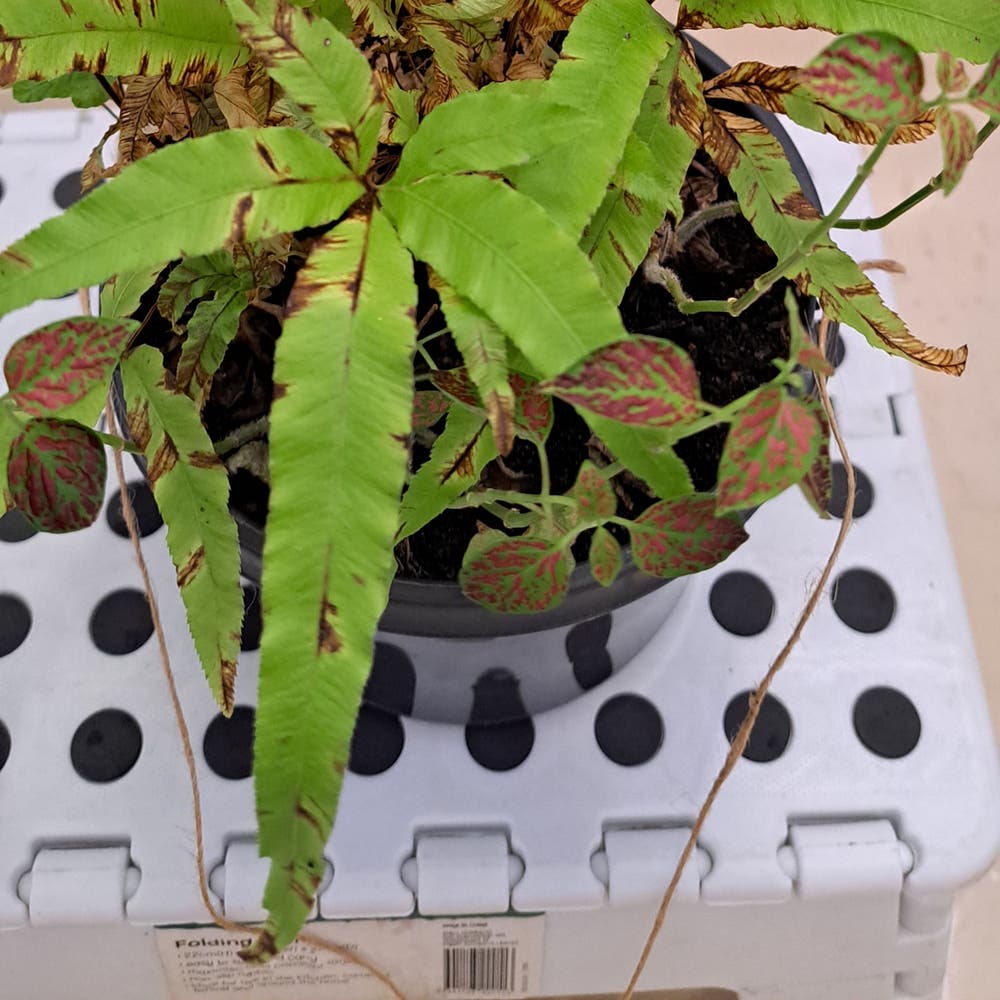
Understanding Why Jersey Fern May Not Flower
Pteris cretica
By the Greg Editorial Team
Sep 29, 2024•5 min read
This article was created with the help of AI so we can cover more plants for you. May contain errors. See one? Report it here.
Transform your Jersey Fern into a blooming beauty 🌼 with essential tips on light, nutrients, and pruning!
- 🌱 Jersey Ferns need light, moisture, and nutrients to bloom successfully.
- 💡 Provide 12 hours of indirect sunlight and consistent moisture for optimal growth.
- ✂️ Regular pruning and tailored care enhance blooming potential and plant health.
Common Problems Preventing Flowering
🌼 Failure to Bloom
If your Jersey Fern isn't blooming, several factors could be at play. Insufficient light exposure, inadequate moisture levels, and nutritional deficiencies are common culprits.
To encourage blooming, start by adjusting light conditions. Ensure your fern receives adequate indirect sunlight and maintain consistent moisture levels to keep it thriving.
🚫 Causes of Premature Flower Drop
Premature flower drop can be frustrating. Sudden environmental changes, stress from overwatering or underwatering, and nutrient imbalances often lead to this issue.
To prevent bud drop, gradually acclimatize your plant to new environments. Regularly monitor moisture levels to ensure your fern remains healthy and stable.
🌱 Abnormal Flower Development
Abnormal flower development can stem from genetic factors or environmental stressors. Temperature fluctuations and humidity levels can significantly impact how your fern flowers.
To promote healthy flower development, stabilize environmental conditions. Providing optimal nutrient levels will also help your Jersey Fern flourish and produce beautiful blooms.
Understanding these common problems can empower you to take action. With the right adjustments, your Jersey Fern can thrive and reward you with stunning flowers.
Environmental Factors Affecting Flowering
Light Requirements and Their Impact 🌞
Jersey Fern thrives best in bright, indirect sunlight. Direct sunlight can scorch its delicate fronds, while too little light leads to stunted growth and poor flowering.
To ensure your fern gets the right amount of light, aim for about 12 hours of indirect sunlight daily. If your plant appears leggy or pale, it’s a clear sign it needs more light.
Nutritional Needs for Optimal Flowering 🍽️
Essential nutrients play a pivotal role in the health of your Jersey Fern. A balanced ratio of nitrogen, phosphorus, and potassium is crucial for vibrant growth and blooming.
Watch for signs of nutrient deficiency, such as yellowing fronds or sluggish growth. These symptoms indicate that your fern might need a nutrient boost.
For fertilization, consider a schedule that aligns with the growing season. Using a balanced fertilizer every 4-6 weeks can help maintain optimal nutrient levels and support flowering.
By understanding and adjusting light and nutritional needs, you can create a thriving environment for your Jersey Fern. This foundation will set the stage for the next section on pruning and maintenance, which further enhances flowering potential.
Pruning and Maintenance
🌸 How Pruning Affects Flowering
Proper pruning is essential for the health of your Jersey Fern. It encourages new growth and helps remove dead or damaged fronds, which can hinder blooming.
Timing is crucial for effective pruning. Aim to prune during the growing season for the best results, as this is when the plant is most active and can recover quickly.
✂️ Best Practices for Pruning Jersey Fern
Step 1: Assessing the Fronds
Begin by identifying which fronds need pruning. Look for those that are yellowing, damaged, or simply not contributing to the plant's overall health.
Step 2: Tools Needed
Use clean, sharp pruning shears. This ensures a clean cut, reducing the risk of disease and promoting faster healing.
Step 3: Pruning Method
Cut at the base of the frond. This method minimizes stress on the plant and encourages new growth from the base.
Step 4: Frequency
Prune during the growing season for optimal results. Regular maintenance will keep your Jersey Fern healthy and more likely to bloom.
By following these pruning techniques, you can significantly enhance your Jersey Fern's flowering potential. Next, let’s explore how environmental factors play a role in the blooming process.
Solutions and Remedies
🌞 Addressing Light Deficiency
Light deficiency can significantly hinder the growth of your Jersey Fern. Look for signs like leggy growth and pale fronds, which indicate that your plant isn't getting enough light.
To improve light exposure, consider relocating your fern to a brighter area. If natural light is limited, using grow lights can be a game-changer, ensuring your fern receives the necessary illumination.
🍽️ Nutrient Deficiency Solutions
Nutrient deficiencies can also affect your fern's health. Watch for symptoms like yellowing fronds or stunted growth, which signal that your plant may need a nutrient boost.
For fertilization, opt for balanced fertilizers that provide essential nutrients like nitrogen, phosphorus, and potassium. Apply them according to the manufacturer's instructions, and aim to fertilize during the growing season for maximum absorption.
✂️ Pruning Techniques to Encourage Blooming
Pruning is a vital practice for promoting blooming in Jersey Ferns. Start by removing old fronds to encourage new growth, which can lead to more vibrant flowers.
Timing is crucial; prune during the growing season to align with the plant's natural bloom cycle. This approach not only enhances flowering but also keeps your fern looking its best.
With these solutions in hand, you can effectively address light and nutrient deficiencies while employing proper pruning techniques. This holistic approach will set your Jersey Fern on the path to flourishing blooms.
Seasonal Considerations
🌸 Seasonal Changes and Their Impact on Flowering
As the seasons shift, so do the needs of your Jersey Fern. In spring, the plant craves more light and moisture to support its growth, while in fall, it requires adjustments to prevent stress.
During spring, aim for bright, indirect sunlight and keep the soil consistently moist. Conversely, as temperatures drop in fall, reduce watering and ensure the plant isn’t exposed to harsh conditions.
🔄 Adjusting Care Based on Growth Cycle
Tailoring your care practices to the growth cycle of your Jersey Fern is essential for promoting flowering. This means modifying your watering and nutrient schedules based on the plant's current stage.
In the active growth phase, increase watering frequency and provide balanced nutrients. As the plant enters dormancy, scale back on both to avoid overwatering and nutrient burn.
By understanding these seasonal and growth cycle adjustments, you can create an environment where your Jersey Fern thrives and blooms beautifully.
⚠️ Safety First
This content is for general information and may contain errors, omissions, or outdated details. It is not medical, veterinary advice, or an endorsement of therapeutic claims.
Always consult a qualified healthcare professional before using any plant as food, medicine, or supplement.
Never eat any plant (or feed one to pets) without confirming its identity with at least two trusted sources.
If you suspect poisoning, call Poison Control (800) 222-1222, the Pet Poison Helpline (800) 213-6680, or your local emergency service immediately.
Spotted an error? Please report it here.
Transform your Jersey Fern into a blooming beauty 🌿 by using Greg's tailored care reminders to ensure it gets the light, moisture, and nutrients it craves!