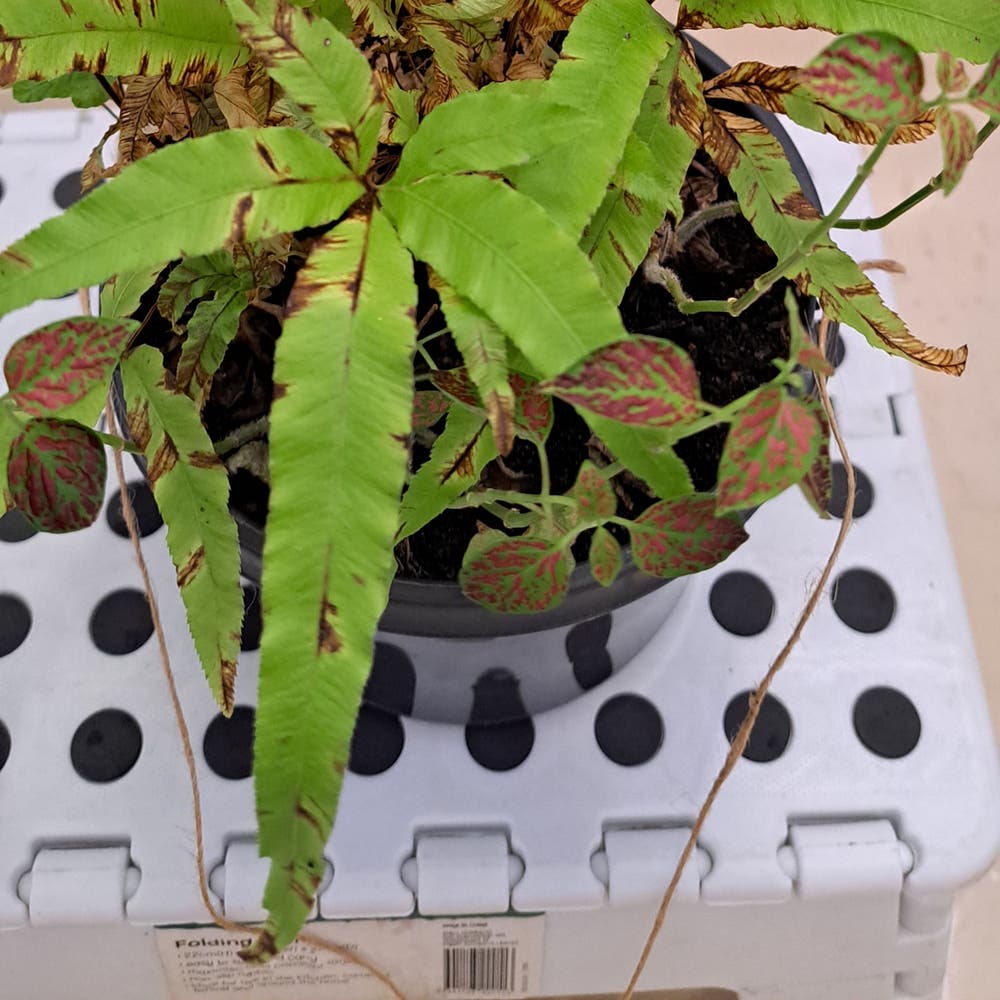
🌳 5 Steps to a Healthy Outdoor Jersey Fern
Pteris cretica
By the Greg Editorial Team
Sep 29, 2024•6 min read
This article was created with the help of AI so we can cover more plants for you. May contain errors. See one? Report it here.
Transform your Jersey fern 🌿 into a lush beauty with essential tips on light, water, and soil care!
- 🌞 Jersey ferns thrive in 4-6 hours of indirect sunlight; avoid direct exposure.
- 💧 Moist soil is key; water 1-2 times weekly to prevent wilting or root rot.
- 🌱 Fertilize in early spring with balanced fertilizer for optimal growth and health.
Sunlight Needs
Light Conditions 🌤️
The Jersey fern flourishes in partial to full shade, ideally soaking up 4-6 hours of indirect sunlight each day. While it can adapt to various light conditions, too much direct sunlight can lead to problems.
Signs of Inadequate Light 🚦
Watch for yellowing fronds, which signal that your fern is getting too much direct sunlight. Conversely, if you notice stunted growth, it may be a sign that your fern isn't receiving enough light exposure.
Understanding these light needs is crucial for keeping your Jersey fern healthy and vibrant. Next, let’s dive into its watering requirements to ensure it thrives in your garden.
Watering Requirements
General Guidelines 🌧️
Jersey ferns thrive in consistently moist soil, but be careful not to waterlog them. Aim to water 1-2 times per week, adjusting based on rainfall and humidity levels.
Signs of Overwatering and Underwatering 🚨
Keep an eye out for signs of overwatering, such as wilting, yellowing leaves, and root rot. Conversely, if you notice crispy fronds or drooping leaves, it’s a clear indication of underwatering.
Understanding these watering needs is crucial for maintaining a healthy outdoor Jersey fern. With the right care, your fern can flourish beautifully in your garden.
Next, let’s explore the soil preferences and fertilization techniques that will further support your fern's growth.
Soil Preferences and Fertilization
Soil Type 🌱
Jersey ferns thrive in well-drained, acidic soil that’s rich in organic matter. Aim for a pH range of 5.5 to 6.5 for optimal growth.
Soil Preparation 🛠️
To enhance drainage and acidity, amend your soil with compost or peat moss. Conducting a soil test can help you determine nutrient levels and pH, ensuring the best environment for your fern.
Fertilization Schedule 📅
Fertilize your Jersey fern in early spring, just before new growth begins. A balanced, slow-release fertilizer, like 10-10-10 NPK, will provide the nutrients it needs.
Application Techniques 🎯
When applying fertilizer, spread it evenly around the base of the plant, avoiding direct contact with the fronds. After fertilization, water thoroughly to help the nutrients penetrate the soil effectively.
By following these soil and fertilization guidelines, you’ll set your Jersey fern up for success. Next, let’s explore the best planting options to maximize its growth potential.
Planting Options
Container Planting 🌱
Benefits
Container planting offers remarkable mobility. You can easily relocate your Jersey fern to find the perfect balance of sunlight and weather conditions.
Additionally, it provides a controlled environment. This makes it simpler to manage soil quality and moisture levels, ensuring your fern thrives.
Drawbacks
However, container planting has its limitations. The restricted root space may hinder growth and spread, potentially stunting your fern's development.
Moreover, containers tend to dry out faster than ground soil, leading to an increased watering frequency. This can be a hassle, especially during hot spells.
Ground Planting 🌍
Benefits
Ground planting allows for natural growth. Your fern can spread through rhizomes, creating a lush and vibrant appearance that enhances your garden.
It also offers better moisture retention. Ground soil typically holds moisture longer, reducing the need for frequent watering.
Drawbacks
On the flip side, ground planting provides less control over soil conditions. You may need to amend the soil more often to meet your fern's needs.
Additionally, there's a higher vulnerability to pests and diseases in the garden. This can pose challenges that require regular monitoring and management.
In summary, both container and ground planting have their pros and cons. Choosing the right option depends on your gardening style and the specific needs of your Jersey fern.
Next, let's explore effective protection strategies to keep your fern healthy and thriving.
Protection Strategies
🌤️ Weather Protection Techniques
To keep your Jersey fern thriving, consider using shade cloth during extreme heat. This simple addition can prevent sunburn and protect those delicate fronds.
Mulching around the base is another effective strategy. It insulates the roots during frost, ensuring your fern remains cozy even in chilly conditions.
🐛 Pest Management
Common Outdoor Pests
Aphids are a common nuisance for outdoor ferns. Look for curled leaves and a sticky residue on the fronds as telltale signs of their presence.
Slugs can also wreak havoc, leaving holes in the leaves. Keeping an eye out for these pests is crucial for maintaining your fern's health.
Organic Pest Control Methods
For a natural approach, neem oil works wonders against aphids and other soft-bodied insects. It's a safe and effective solution that won't harm your fern.
Handpicking is another straightforward method. Simply remove slugs and larger pests manually to keep your fern in top shape.
🦠 Disease Prevention
Regular inspections are key to preventing fern diseases like root rot and leaf spot. Catching issues early can save your plant from serious damage.
Ensure proper spacing between ferns to promote air circulation. This reduces humidity and helps prevent disease, keeping your fern healthy and vibrant.
With these protection strategies in place, your Jersey fern will be well-equipped to face the elements and pests alike. Next, let's explore the seasonal care tips to keep your fern flourishing throughout the year.
Seasonal Care
Spring Care Tips 🌸
Spring is the perfect time to rejuvenate your Jersey fern. Start by cleaning up any debris around the base to encourage new growth.
Next, fertilize your fern and check for pests that may have lingered through winter dormancy. This proactive approach sets the stage for a vibrant growing season.
Summer Care Tips ☀️
As temperatures rise, keep a close eye on your watering routine. You may need to increase frequency during hot spells to keep the soil consistently moist.
If the sun becomes too intense, don’t hesitate to provide additional shade. Your fern will thank you for it!
Fall Care Tips 🍂
With cooler temperatures on the horizon, it’s time to adjust your watering habits. Reduce watering as the weather cools down to prevent over-saturation.
Prepare for winter by applying mulch around the base of the fern. This will help insulate the roots and retain moisture.
Winter Care Tips ❄️
Winter can be harsh, so protecting your fern is crucial. Use mulch or burlap to shield it from frost and extreme cold.
Be mindful of heavy snow accumulation on the fronds. Gently brush off any snow to prevent damage and ensure your fern stays healthy.
Difficulty Ratings
- Sunlight Needs: ((difficulty:easy))
- Watering Requirements: ((difficulty:easy))
- Soil Preferences and Fertilization: ((difficulty:moderate))
- Planting Options: ((difficulty:moderate))
- Protection Strategies: ((difficulty:hard))
- Seasonal Care: ((difficulty:moderate))
With these seasonal care tips, your Jersey fern will thrive year-round. Next, let’s explore effective protection strategies to keep your fern safe from environmental stressors and pests.
⚠️ Safety First
This content is for general information and may contain errors, omissions, or outdated details. It is not medical, veterinary advice, or an endorsement of therapeutic claims.
Always consult a qualified healthcare professional before using any plant as food, medicine, or supplement.
Never eat any plant (or feed one to pets) without confirming its identity with at least two trusted sources.
If you suspect poisoning, call Poison Control (800) 222-1222, the Pet Poison Helpline (800) 213-6680, or your local emergency service immediately.
Spotted an error? Please report it here.
Keep your Jersey fern thriving year-round 🌱 with Greg's tailored care reminders and expert tips that make plant parenting a breeze!