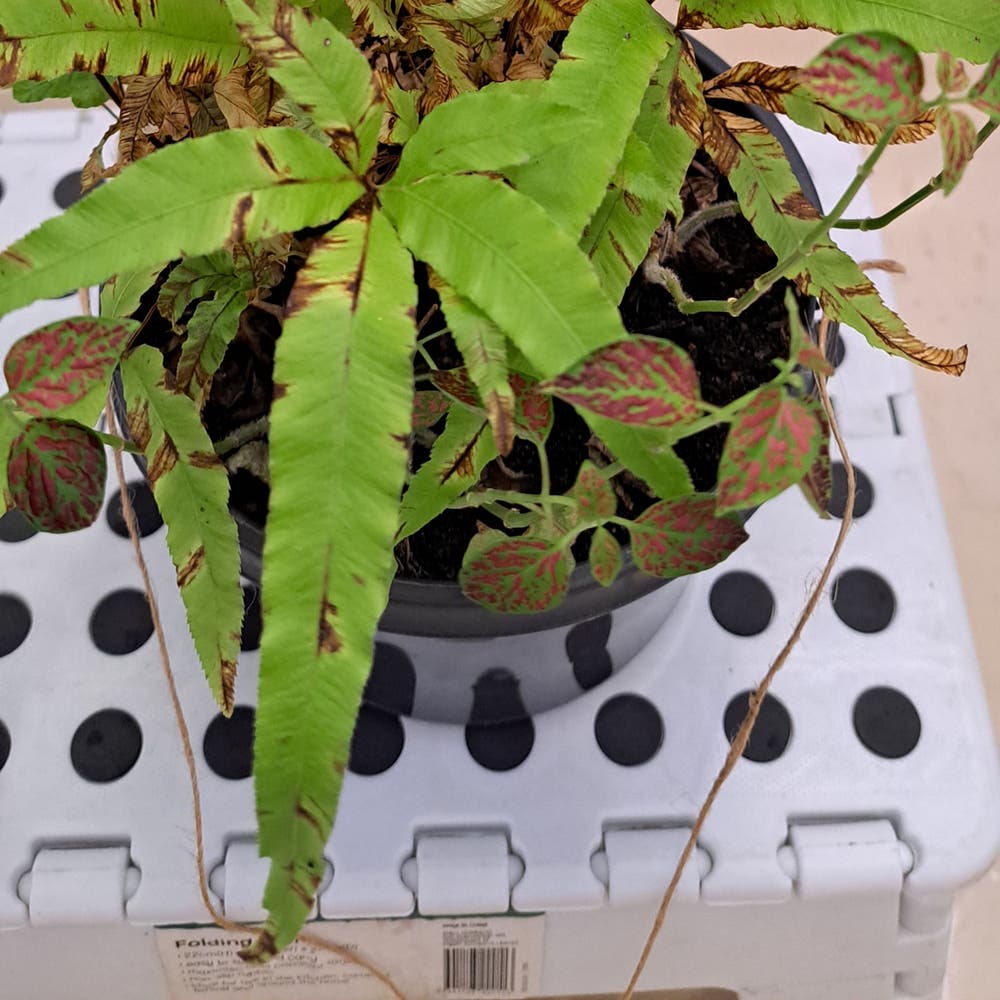
🌿 Jersey Fern Width: What to Expect
Pteris cretica
By the Greg Editorial Team
Sep 29, 2024•5 min read
This article was created with the help of AI so we can cover more plants for you. May contain errors. See one? Report it here.
Elevate your garden's elegance with the Jersey Fern by mastering its growth and size! 🌱
- 🌱 Jersey Ferns grow 2-3 feet wide, creating lush, ornamental carpets in gardens.
- 🌿 Growth varies; optimal conditions yield 1-2 feet per year in size.
- 💧 Consistent moisture and well-draining soil are crucial for healthy growth.
Mature Height and Spread
Dimensions 🌱
The Jersey Fern typically reaches an average height of up to 3 feet (0.9 meters). Its spread can be impressive, often extending outward to widths of 2-3 feet (0.6-0.9 meters).
Growth Habits 🌿
This fern grows in clumps, forming dense colonies that create a lush, green carpet. Its delicate, lacy fronds add a touch of elegance, making it a popular choice for ornamental gardens.
Size Variability 📏
The size of Jersey Fern can vary significantly based on environmental conditions. For instance, ferns in shaded, moist areas may flourish, while those in drier or sunnier spots might be smaller and less robust.
Understanding these dimensions and growth habits can help you plan your garden effectively. Next, let’s explore the growth rate of the Jersey Fern and how long it takes to reach its full size.
Growth Rate
Typical Growth Rate 🌱
The Jersey Fern boasts a moderate growth rate, typically reaching about 1-2 feet (0.3-0.6 meters) per year under optimal conditions. This steady pace allows gardeners to enjoy its lush greenery without overwhelming their space.
Time to Reach Full Size ⏳
Generally, it takes about 3-5 years for the Jersey Fern to reach its mature dimensions. Several factors can influence this timeline, including soil quality, moisture levels, and light exposure, all of which play a crucial role in its development.
Understanding these growth dynamics can help you plan your garden effectively. With the right conditions, your Jersey Fern can flourish beautifully, adding a touch of elegance to your landscape.
As we explore further, let’s dive into the factors that affect the size of this stunning fern.
Factors Affecting Size
🌱 Soil Type
The Jersey Fern thrives in well-draining soil rich in organic matter. Heavy clay or poor drainage can stunt its growth and reduce its overall size, making soil quality a crucial factor.
☀️ Light Conditions
Optimal light for Jersey Ferns ranges from partial to full shade. Insufficient light can result in smaller fronds and a reduced overall size, impacting the fern's ornamental appeal.
💧 Watering Practices
Consistent moisture is vital for the Jersey Fern's optimal growth. Both overwatering and underwatering can lead to stunted growth and variability in size, so finding the right balance is key.
🌦️ Climate Considerations
These ferns flourish in humid, temperate climates. Extreme temperature fluctuations can adversely affect their growth and size, making climate a significant consideration for successful cultivation.
Understanding these factors can help you create the ideal environment for your Jersey Fern, ensuring it reaches its full potential. Next, let’s explore the differences between dwarf and giant varieties of this fascinating plant.
Dwarf and Giant Varieties
Dwarf Variety 🌱
Dwarf Jersey ferns are compact, typically growing to under 2 feet (0.6 meters) in height. Their smaller size makes them perfect for cozy gardens or container planting, allowing you to enjoy their delicate beauty without overwhelming your space.
Giant Variety 🌳
On the other end of the spectrum, giant Jersey ferns can exceed 3 feet (0.9 meters) in height and spread significantly. These impressive plants are ideal for larger landscapes or naturalized areas, making a bold statement in any garden setting.
Understanding these two varieties can help you choose the right Jersey fern for your gardening needs. Whether you're looking to fill a small nook or create a lush, expansive area, there's a Jersey fern that fits the bill.
Next, let’s explore how to control the size of these ferns to suit your garden's specific requirements.
Controlling Size
🌿 Pruning Techniques
To keep your Jersey Fern looking its best, regular pruning is essential. Focus on removing dead or damaged fronds, as this encourages healthy growth and maintains a tidy appearance.
Timing is key; aim to prune in early spring, just before new growth begins. This ensures that your fern can thrive without the hindrance of old, unhealthy fronds.
🪴 Managing Growth in Confined Spaces
If you're gardening in limited areas, container gardening can be a great option. Choose larger pots to accommodate the root growth of your Jersey Fern, allowing it to flourish without restrictions.
Additionally, ensure adequate spacing between plants to prevent overcrowding. This not only promotes healthy growth but also enhances the overall aesthetic of your garden.
📅 Seasonal Considerations
Seasonal pruning can help you maintain the desired size of your Jersey Fern throughout the growing season. Regular adjustments will keep your plant looking vibrant and well-shaped.
Be attentive to the growth patterns and make necessary cuts to control size effectively. This proactive approach can significantly enhance your gardening experience.
🌱 Fertilization Impact
Balanced fertilization plays a crucial role in controlling the size of your Jersey Fern. It encourages healthy growth without leading to excessive size increases.
Apply fertilizer during the growing season for the best results. This timing ensures that your fern receives the nutrients it needs to thrive while keeping its dimensions in check.
By following these strategies, you can enjoy a beautifully sized Jersey Fern that complements your garden perfectly. Next, let's explore the fascinating world of dwarf and giant varieties, which offer unique options for different gardening spaces.
⚠️ Safety First
This content is for general information and may contain errors, omissions, or outdated details. It is not medical, veterinary advice, or an endorsement of therapeutic claims.
Always consult a qualified healthcare professional before using any plant as food, medicine, or supplement.
Never eat any plant (or feed one to pets) without confirming its identity with at least two trusted sources.
If you suspect poisoning, call Poison Control (800) 222-1222, the Pet Poison Helpline (800) 213-6680, or your local emergency service immediately.
Spotted an error? Please report it here.
Unlock the full potential of your Jersey Ferns 🌱 with Greg's tailored care reminders, ensuring they flourish in your garden's unique conditions!