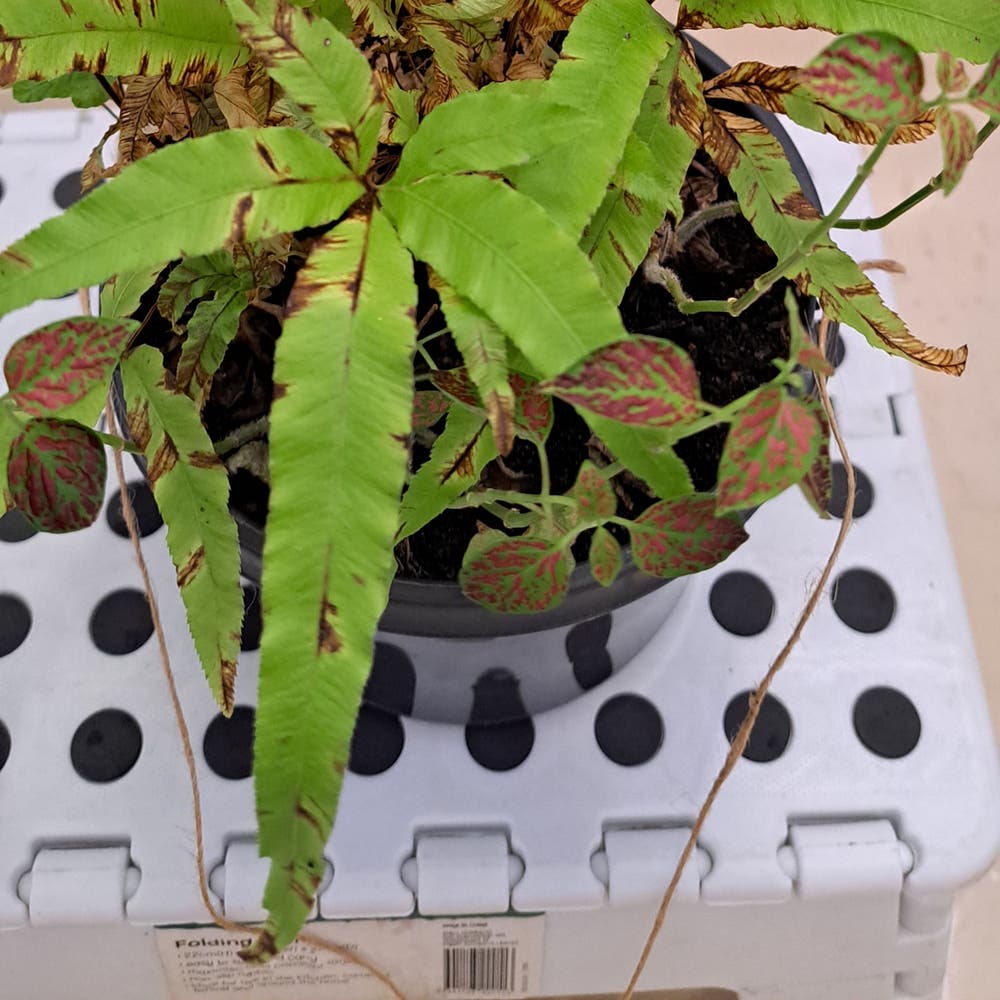
Step-by-Step Guide to Cretan Brake Growth
Pteris cretica
By the Greg Editorial Team
Oct 02, 2024•4 min read
This article was created with the help of AI so we can cover more plants for you. May contain errors. See one? Report it here.
Elevate your garden's beauty with Cretan Brake's unique growth and size variations! 🌱
- 🌱 Cretan Brake grows 2 feet tall, thriving in nutrient-rich, consistently moist soil.
- 🌞 Light exposure and pruning are key for optimal growth and plant health.
- 🌿 Dwarf and giant varieties offer options for any garden size or container.
Mature Height and Spread
Typical Dimensions 🌱
Cretan Brake can reach a mature height of up to 2 feet (60 cm). Its spread typically ranges from 1 to 2 feet (30-60 cm), depending on the growing conditions.
Growth Habits 🌿
This plant grows in charming clumps, showcasing feathery foliage that adds texture to any garden. The size of its fronds can vary significantly based on environmental factors, making each plant unique.
Factors Influencing Size 📏
Optimal growing conditions can lead to larger fronds and denser growth, creating a lush appearance. Conversely, poor conditions may result in smaller, less vigorous plants, emphasizing the importance of proper care and environment.
Understanding these aspects will help you cultivate a thriving Cretan Brake, setting the stage for the next section on growth rate and time to maturity.
Growth Rate and Time to Maturity
🌱 Growth Rate
Cretan Brake exhibits a moderate growth rate, typically taking about 1-2 years to reach its mature dimensions. This makes it a manageable choice for gardeners looking for a relatively quick addition to their landscape.
⏳ Time to Maturity
Under ideal conditions, full size can be achieved in approximately 2-3 years. This timeframe allows for a rewarding experience as you watch your plants flourish.
📈 Factors Affecting Growth Rate
Several factors can influence the growth rate of Cretan Brake.
- Nutrient Availability: Ample nutrients can significantly accelerate growth.
- Water Levels: Consistent moisture is crucial; too little can hinder development.
- Seasonal Changes: Variations in temperature and light can also impact how quickly your plants grow.
By understanding these factors, you can create an environment that promotes optimal growth. This knowledge empowers you to cultivate a thriving garden that showcases the beauty of Cretan Brake.
As you consider the growth rate, it's essential to think about how environmental conditions can shape your plants. Next, we'll explore how size can vary based on different growing conditions.
Size Variability in Different Conditions
🌍 Environmental Impact on Size
The size of Cretan Brake can vary significantly based on environmental factors.
- Light Exposure: More sunlight typically results in larger fronds.
- Soil Quality: Nutrient-rich soils are essential for robust growth.
- Moisture Levels: Consistent moisture is crucial for achieving larger dimensions.
📏 Examples of Size Variability
Plants grown in shaded areas often show smaller dimensions.
In contrast, those thriving in optimal conditions can exceed typical height and spread, showcasing the remarkable adaptability of this plant.
Understanding these factors can help you create the ideal environment for your Cretan Brake, ensuring it reaches its full potential.
Next, let’s explore the fascinating world of dwarf and giant varieties, which offer unique options for different gardening spaces.
Dwarf and Giant Varieties
Dwarf Varieties 🌱
Dwarf Cretan brakes are compact, typically reaching under 1 foot (30 cm) in height. These smaller plants are perfect for container gardening or fitting into tight spaces, allowing you to enjoy their unique beauty without overwhelming your garden.
Giant Varieties 🌳
On the other end of the spectrum, giant varieties can exceed 2 feet (60 cm) in height when grown under optimal conditions. These impressive plants create a striking visual impact, making them ideal for larger landscapes where they can truly shine.
Availability 🛒
You can often find both dwarf and giant varieties at specialty nurseries. This variety ensures that whether you're looking to maximize space or make a bold statement, there's a Cretan brake that fits your needs.
As you explore these options, consider how each variety can enhance your garden's aesthetic and functionality. Next, let’s dive into how to control the size of your Cretan brakes for the best results.
Controlling Size
Pruning Techniques for Size Management ✂️
Regular pruning is essential for maintaining the desired size and shape of your Cretan Brake. This not only promotes healthy growth but also enhances the plant's overall appearance.
- Remove dead or damaged fronds: This encourages new growth and keeps the plant looking fresh.
- Trim back overgrown fronds: This helps control height and prevents the plant from becoming unruly.
- Timing is key: The best time to prune is early spring, just before new growth begins.
Other Methods for Controlling Growth 🌱
Container gardening is another effective way to manage size. By limiting root space, you can keep your Cretan Brake compact and manageable.
Adjusting environmental conditions can also play a significant role. Manipulating light and moisture levels can influence growth rates and dimensions, allowing you to create the perfect environment for your plants.
With these techniques, you can enjoy a well-maintained Cretan Brake that fits beautifully into your garden or landscape. Next, let's explore the fascinating world of dwarf and giant varieties, which offer unique options for different gardening needs.
⚠️ Safety First
This content is for general information and may contain errors, omissions, or outdated details. It is not medical, veterinary advice, or an endorsement of therapeutic claims.
Always consult a qualified healthcare professional before using any plant as food, medicine, or supplement.
Never eat any plant (or feed one to pets) without confirming its identity with at least two trusted sources.
If you suspect poisoning, call Poison Control (800) 222-1222, the Pet Poison Helpline (800) 213-6680, or your local emergency service immediately.
Spotted an error? Please report it here.
Cultivate a thriving Cretan Brake 🌿 with Greg's tailored care reminders and tips to create the perfect environment for your plant's growth!