How Often Do I Need to Water My Cretan Brake?
Pteris cretica
By the Greg Editorial Team
Jun 14, 2024•5 min read
This article was created with the help of AI so we can cover more plants for you. May contain errors. See one? Report it here.
Nurture your Cretan Brake to perfection by mastering its watering needs—no more guesswork! 🌿💧
- Check soil moisture with finger test; dry at second knuckle means water.
- Adjust for seasons: More water in summer, less in winter.
- Indoor climate affects watering: Watch AC and heating impact.
Determining Watering Frequency for Cretan Brake
💧 Assessing Soil Moisture
To nail the watering frequency for your Cretan Brake, start by playing detective with the soil moisture. Forget the calendar; it's all about touch and observation. Stick your finger into the soil up to the second knuckle—if it feels like a dry summer day in the Sahara, it's time to water. If it's damp, give it a break. For a more high-tech approach, a soil moisture meter can be your best bud, giving you the dirt on your soil's wetness without the mess.
🌱 Pot Size and Material
Now, let's talk about the pot. It's not just a home for your plant; it's a crucial factor in your watering equation. A tiny pot means less soil and quicker drying, so you'll be on watering duty more often. A massive pot, however, might make you a lazy waterer, leading to soggy soil and a sad plant. Material matters too—terracotta and unglazed clay are the thirsty types, wicking away moisture and leaving the soil dry faster than plastic or glazed containers. Always ensure your pot has drainage holes; waterlogged roots are a no-go for your green amigo.

Recognizing Overwatering and Underwatering Symptoms
🌊 Identifying Overwatering Signs
Yellowing leaves may scream "I'm drowning here!" when your Cretan Brake has had more than its fill of water. A wilted, soggy appearance is the plant's way of waving a white flag. If the stems feel more like mush than plant, it's a telltale sign of overindulgence in H2O. And let's not forget the classic symptom: leaf drop. It's like the plant's saying, "I can't even deal with these leaves right now."
🏜️ Recognizing Underwatering Symptoms
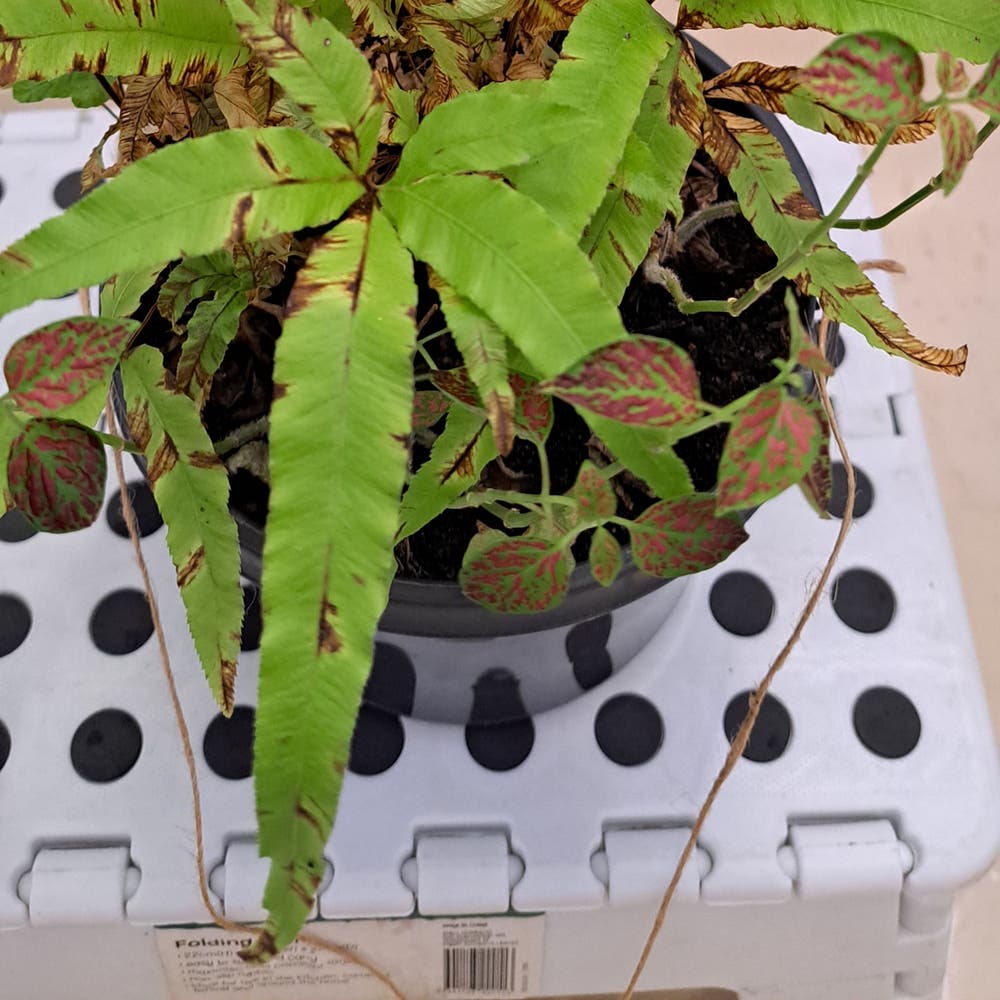
Conversely, if your Cretan Brake's leaves have the texture of a well-done potato chip, it's begging for a drink. Browning edges that feel crispy are a cry for hydration. And when the soil has shrunken away from the pot like it's avoiding the plant's roots, it's definitely time to water. If the stems snap with a dramatic flair, you've entered the underwatering zone.
How to Respond
Caught in the act of underwatering? Increase the watering frequency, but don't go overboard—nobody likes a helicopter plant parent. For overwatering, it's time to back off and let the soil dry out. Remember, moderation is key. Your Cretan Brake isn't throwing a frat party; it's more of a casual brunch when it comes to water.

Seasonal Watering Adjustments
In the dance of the seasons, your Cretan Brake's thirst levels will tango with the shifting light and temperature. Here's how to keep step with its needs:
🌞 Adjusting with the Sun
As the earth tilts and turns, your plant's watering needs pivot. Bright, long summer days call for more frequent hydration—think of it as your plant's version of sipping iced tea by the pool. When winter's chill rolls in, and the sun plays hard to get, ease up on the watering can. Your plant is not guzzling water like it used to; it's more like nursing a warm mug of cocoa.
💧 Humidity's Highs and Lows
Humidity swings can turn your watering routine on its head. High humidity means the air is already doing some of the heavy lifting, keeping your plant's leaves dewy and hydrated. But when the air is as dry as a stand-up comedian's wit, your Cretan Brake might need a bit more to drink to avoid becoming as parched as a desert punchline.
🏠 Indoor Climate Control
Blasting the AC in summer or cranking the heat in winter? Remember, your indoor climate escapades can leave your plant feeling out of sorts. Keep a keen eye on the soil moisture and adjust your watering rhythm accordingly.
💨 Airflow and Ventilation
Good airflow is like a breath of fresh air for your plant's roots. It helps prevent overwatering woes by encouraging soil to dry out more evenly. If you're using a fan to mimic a gentle breeze, just don't let it turn into a gale-force wind that could stress your green buddy out.
🌱 Pro Tip: The Finger Test
Trust the age-old finger test. Plunge your digit into the soil up to the second knuckle—if it's dry, it's time to water. If it's moist, give it a rest. Your plant will thank you for not treating it like a schedule-bound robot.
Remember, your Cretan Brake is a living barometer of its environment. Stay observant, be flexible, and your plant will remain as lush and unfurled as a well-tended fern should be.

Environmental Influences on Watering Needs
💨 Indoor Heating and Air Conditioning
Indoor heating can sap moisture from the air, leaving your Cretan Brake thirstier than a camel on a treadmill. Cranking up the AC, on the other hand, can create a mini-desert, drying out the soil faster than you can say "hydration." To keep your plant from becoming a crispy critter, monitor the soil moisture levels closely when your climate control is in high gear.
💦 Humidity and Airflow
Humidity is a sneaky beast. Too much, and your plant's roots might drown; too little, and you'll find yourself watering more often than you check your phone. Use a humidifier or a pebble tray to create a cozy microclimate, or crack a window to invite some airflow and prevent your green buddy from suffocating in stale air. Remember, plants are like people—they need to breathe!
🌬 Real-World Adjustments
Your Cretan Brake isn't just sitting pretty—it's reacting to every puff of air and beam of light. If you're blasting the heat or chilling in an igloo, you'll need to adjust your watering schedule. Keep an eye out for leaf droop or a sudden case of the yellows; these are your plant's way of saying, "Help, I'm thirsty!" or "Whoa, too much water, buddy!"
🌱 Consistency is Key
Above all, your Cretan Brake craves consistency. Sudden changes in the environment can make it go all drama queen on you. Aim for a stable environment, and you'll have a happy plant—and a happy plant parent.
⚠️ Safety First
This content is for general information and may contain errors, omissions, or outdated details. It is not medical, veterinary advice, or an endorsement of therapeutic claims.
Always consult a qualified healthcare professional before using any plant as food, medicine, or supplement.
Never eat any plant (or feed one to pets) without confirming its identity with at least two trusted sources.
If you suspect poisoning, call Poison Control (800) 222-1222, the Pet Poison Helpline (800) 213-6680, or your local emergency service immediately.
Spotted an error? Please report it here.
Keep your Cretan Brake flourishing 🌿 with Greg's custom watering reminders that adapt to your pot's material, seasonal shifts, and the cozy specifics of your home!