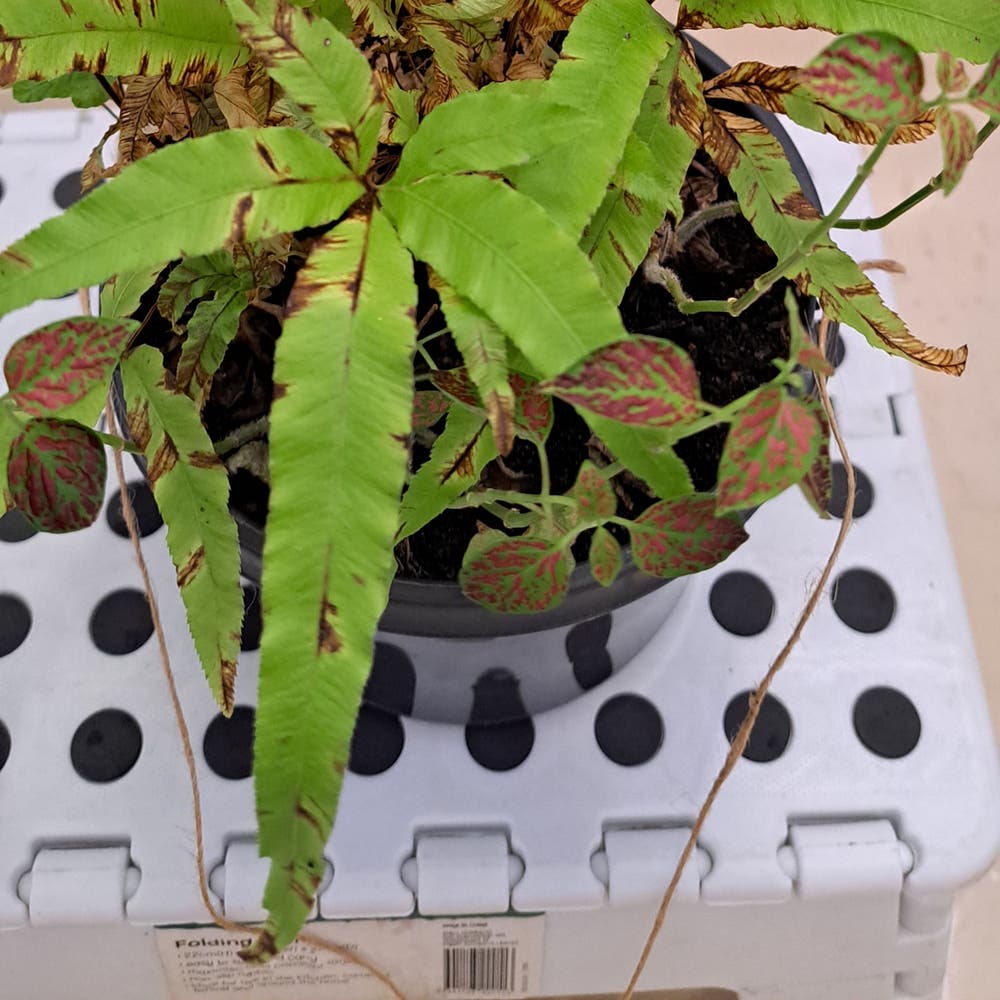
Why Are My Cretan Brake Leaves Curling?
Pteris cretica
By the Greg Editorial Team
Jun 14, 2024•9 min read
This article was created with the help of AI so we can cover more plants for you. May contain errors. See one? Report it here.
Unravel the mystery of curling Cretan Brake leaves 🍃 and revive your fern's vitality with expert tips!
- Leaf curling signals stress, often due to environmental factors or pests.
- Consistent moisture and light are crucial for Cretan Brake fern health.
- Regular care and monitoring prevent and address leaf curling effectively.
Diagnosing Leaf Curling in Cretan Brake
In the world of Cretan Brake ferns, leaf curling is the equivalent of a cryptic distress signal. Identifying the signs is crucial to restoring your plant's joie de vivre.
🌿 Recognizing the Symptoms
Leaf curling can be a drama queen—it's the plant's way of saying, "Hey, I'm not okay!" Look for leaves that resemble tiny green scrolls, more suited to ancient manuscripts than a vibrant plant. If they're crisp to the touch, your fern is thirstier than a marathon runner without a water bottle.
🕵️ Distinguishing from Other Issues
Don't confuse curling with other theatrics like yellowing or brown tips—those are different episodes in the soap opera of plant stress. Curling is specific; it's the plant's method of conserving moisture and protecting itself, like a turtle retreating into its shell.
🌍 The Usual Suspects
Before you start interrogating the cat, consider environmental factors. Is your plant shivering next to an open window or sweltering above a radiator? Drafts and heat sources are the usual culprits behind those curly fronds.
🐜 Pests and Diseases: The Uninvited Guests
Insects are like that one friend who never leaves the party. Check for sticky residues or tiny critters that might be mooching off your plant's hospitality. And let's not forget fungal diseases—they're like the silent but deadly types at the gathering, often going unnoticed until the damage is done.
💧 The Watering Conundrum
Watering is a balancing act, akin to walking a tightrope while juggling. Too much or too little can send your Cretan Brake into a tizzy. The goal is to keep the soil consistently moist, like a well-wrung sponge, not a swamp or the Sahara.
🌞 Light: The Goldilocks Zone
Your fern seeks the perfect amount of light—not too much, not too little. It's not aspiring to a tan, nor does it enjoy lurking in the shadows. Aim for that sweet spot of bright, indirect light where it can bask without fear of sunburn.
By playing plant detective and scrutinizing these signs, you can start to unravel the mystery of your Cretan Brake's leaf curling saga.

Addressing Environmental Stressors
🌡️ Temperature and Humidity: The Dynamic Duo
Temperature swings are like mood swings for your Cretan Brake—neither are fun to deal with. Keep the thermostat above 50°F to avoid a chilly reception from your plant. Remember, your plant's not a fan of the cold shoulder. And while we're at it, let's talk humidity. These plants don't want to swim or dry out; they crave that sweet spot. Too much moisture, and you're inviting a fungal house party. Too dry, and your plant's leaves curl up tighter than a rolled yoga mat. Aim for a consistent, comfortable humidity level—think cozy, not clammy.
💨 Air Circulation: The Unsung Hero
Good air circulation is like a breath of fresh air—it's essential. Stagnant air is about as helpful as a screen door on a submarine. Keep the air moving but don't blast your plant with gusts that could rival a wind tunnel. A gentle fan can work wonders, just don't set it to 'hurricane mode.'
🎭 Stabilizing the Environment: No Dramas, Please
Drafts and heaters are the drama queens of the plant world, causing more twists and turns than a daytime soap opera. Avoid placing your Cretan Brake near these melodramatic spots. Instead, aim for a steady, warm environment. Think of it as setting the stage for a top-notch performance where the star is your plant, thriving under the perfect spotlight of consistency.
Quick Tips for Environmental Bliss
- Keep it warm: No icy drafts or hot blasts.
- Balance humidity: Not too wet, not too dry.
- Air circulation: Keep it flowing, but gently.
- Consistency: Your plant's comfort food.

Optimizing Watering Practices
💧 Understanding the Watering Conundrum
Overwatering and underwatering are the twin troubles in the world of plant care. They can both lead to the dreaded leaf curl in your Cretan Brake. To avoid these issues, water when the top inch of soil is dry—no sooner, no later.
🛠 Tools for Perfect Watering
A moisture meter can be your secret weapon against watering woes. It's a straightforward gadget that tells you when it's time to water, taking the guesswork out of the equation.
🚰 Water Quality Matters
Don't overlook the quality of water you're using. Tap water laden with chemicals can harm your plant. If possible, use rainwater or filtered water to keep your Cretan Brake thriving.
⚖️ The Balancing Act
To establish a balanced watering routine, observe your plant's response closely. Adjust the frequency and amount of water according to the plant's needs, which can change with the seasons.
🌱 Soil's Role in Watering
Choose a soil mix that retains moisture without becoming waterlogged. Incorporating materials like coco coir or vermiculite can help maintain the ideal moisture level.
👀 Signs to Watch For
Keep an eye out for leaves that are excessively curling or appear brittle, as they may signal dehydration. Conversely, leaves that are flattening or losing their characteristic curl could be crying out from overwatering.
📅 The Watering Schedule
Consistency is key. Set a regular watering schedule and stick to it, but remain flexible and adjust as needed based on the plant's feedback and environmental changes.

Ensuring Proper Light Conditions
🌿 Impact of Light on Leaf Health
Lighting is the stage director of your Cretan Brake's leaf drama. Too much light, and leaves curl into tiny green fists, too little and they languish, stretched thin for want of sun. It's about balance, folks.
🔄 Adjusting Plant Location and Lighting
Seasonal shifts can turn your plant's cozy nook into a solar cooker or a dim cave. Rotate the plant or transition it to a spot with indirect light that mimics a cloud-filtered sky. If the sun is a scarce commodity, artificial grow lights are your friend—just don't get overzealous and fry your fronds.
🚨 Recognizing Light-Related Stress
Leaves with brown tips are sending an SOS about too much light, while pale, reaching fronds are begging for a sunnier spot. Keep an eye on your plant's leaf language—it's telling you what it needs.
🌱 Acclimating to New Light Conditions
When you move your plant, do it with the finesse of a chess grandmaster. Gradual shifts prevent your Cretan Brake from going into shock. Think of it as a plant spa, not a boot camp.
💡 Light Requirements for Optimal Health
Remember, variegated or colored leaves are sun worshippers, craving more light than their all-green cousins. And if your plant's got the ambition to flower or fruit, it's going to need a VIP pass to the sun show.
👀 Monitoring for Light-Induced Issues
Yellow leaves might be throwing shade at your lighting choices, while browning tips are tantrums over too much light. Keep a vigilant watch; these visual cues are your plant's version of a distress flare.
🌞 Seasonal Light Adjustments
As the earth tilts and turns, so should your plant's position. A change in seasons means a change in light, and your Cretan Brake's not down for a seasonal affective disorder. Move it to maintain that light equilibrium.
Correcting Nutrient Imbalances
Nutrient imbalances can turn your Cretan Brake's leaves into a crinkly mess. Yellowing leaves? Could be a nitrogen no-show. Burnt edges? Potassium might have left the party. But before you play plant doctor, let's get to the root of the issue.
🌿 Identifying Deficiencies
Discoloration and odd patterns on the leaves are your plant's cryptic cry for help. It's saying, "Feed me, but not too much!" A balanced, water-soluble fertilizer with an even NPK ratio is your go-to. Think of it as the plant equivalent of a well-rounded diet.
🌱 Fertilization Finesse
Over-fertilization is a real buzzkill for your plant. It's like force-feeding it fries daily. Flush the soil with water to evict excess nutrients. Remember, moderation is key—too much love can smother your green buddy.
🌾 Soil pH and Amendments
Soil pH off-kilter? Time to play chemist. Amend it to hit that sweet spot where nutrients and roots become best friends. If copper's what you lack, add some back. But don't go wild—test your soil first to avoid a nutrient overdose.
🍃 The Balanced Approach
Consistency is your mantra. Stick to a regular feeding schedule. Watch your plant's response like a hawk and adjust as needed. It's a dance, and you're leading—don't step on your partner's toes with erratic moves.
🌻 Real Talk
Plants aren't drama queens, but they'll throw a fit if their diet's out of whack. Keep it balanced, and you'll avoid the dreaded leaf curl. And hey, if you've been heavy-handed with the fertilizer, just admit it, correct it, and move on. Your Cretan Brake will thank you.
Preventative Care for Healthy Leaves
📅 Establishing a Regular Care Schedule
Consistency is your Cretan Brake's best friend. To avoid leaf curling, pencil in regular check-ups. Spot early signs of trouble, like slight curling or color changes, and act before they escalate.
🌱 Soil and Pot Selection
Choose a well-draining soil and a pot with adequate drainage holes. Size matters; too big invites moisture problems, too small cramps your plant's style. It's a balancing act—think snug, not suffocating.
🔄 Monitoring and Adjustments
Stay alert to seasonal changes. Less water in winter, more shade in summer. Rotate the pot occasionally for even growth—nobody wants a plant that's doing the Leaning Tower of Pisa impression.
✂️ Pruning and Airflow
Prune with purpose. Remove only what's necessary to promote health and prevent overcrowding. Good airflow is like a breath of fresh air for your plant's leaves, reducing the risk of curling.
💧 Humidity and Temperature Control
Keep the humidity just right. Not a sauna, not a desert. And temperature? Think Goldilocks—not too hot, not too cold. Your plant doesn't want to wear a tiny sweater or a mini sunhat.
💦 Watering Wisdom
Watering is an art. Aim for soil that's moist, like a wrung-out sponge, not a swamp. Overwatering is a no-go; underwatering is just as taboo. Find the sweet spot and stick to it.
🌿 Fertilization Finesse
Feed your plant, but don't turn it into a glutton. Use fertilizer sparingly to avoid chemical burns and the dreaded leaf curl. It's a fine dining experience, not an all-you-can-eat buffet.
🐜 Pest Patrol
Keep an eye out for uninvited guests. Pests love to sneak in and cause havoc. Show them the door with insecticidal soap or neem oil before they settle in for a feast on your plant's expense.
⚠️ Safety First
This content is for general information and may contain errors, omissions, or outdated details. It is not medical, veterinary advice, or an endorsement of therapeutic claims.
Always consult a qualified healthcare professional before using any plant as food, medicine, or supplement.
Never eat any plant (or feed one to pets) without confirming its identity with at least two trusted sources.
If you suspect poisoning, call Poison Control (800) 222-1222, the Pet Poison Helpline (800) 213-6680, or your local emergency service immediately.
Spotted an error? Please report it here.
Combat your Cretan Brake's leaf curling by monitoring 🌡️ with Greg's tailored care reminders, ensuring a stress-free environment for your ferns.