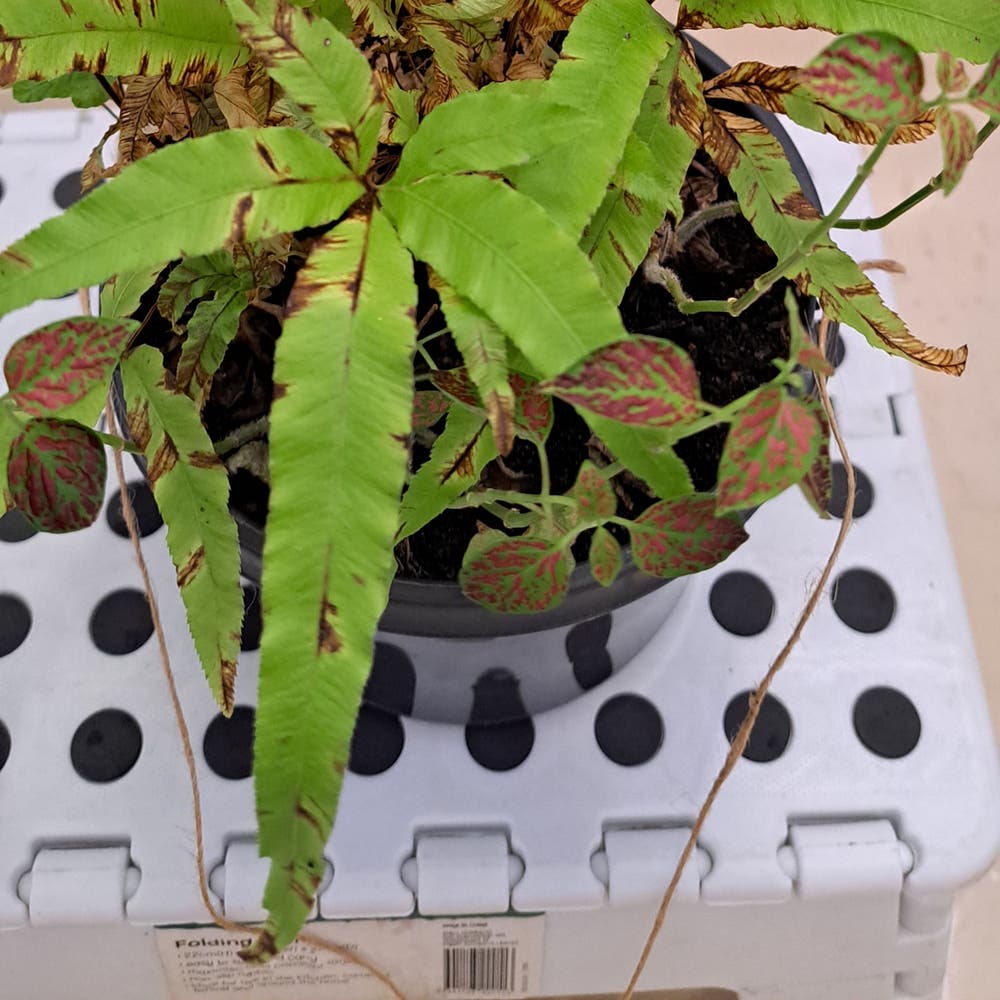
What Does It Mean When Cretan Brake Blooms?
Pteris cretica
By the Greg Editorial Team
Jun 14, 2024•10 min read
This article was created with the help of AI so we can cover more plants for you. May contain errors. See one? Report it here.
Unveil the bloom magic of Cretan Brake 🌿 and elevate your green thumb for awe-inspiring florals.
- Red and bright, indirect light trigger Cretan Brake blooming.
- Ideal conditions: 60°F-75°F, 40-60% humidity, consistent watering and feeding.
- Pruning and pot/soil choice are crucial for flower development.
Optimal Light Conditions for Cretan Brake Flowering
To trigger blooming in Cretan Brake, think of light as the plant's personal DJ, setting the mood with the right tunes—or in this case, the right color spectrum. Red light is your go-to, encouraging the fern to strut its stuff and produce flowers.
⭐️ Identifying the Ideal Light Exposure
Bright, indirect light is the sweet spot for Cretan Brake. Direct sunlight is a no-go; it's like inviting a vampire to a beach party—just plain disastrous. If your indoor lighting is more 'dungeon' than 'disco', consider a grow light, but keep it at a respectful distance, like a chaperone at a high school dance.
🍂 Adjusting with the Seasons
As seasons change, so should your plant's position. It's not about being fickle; it's about giving your Cretan Brake what it needs to avoid light-induced stress. Think of it as moving your plant from the nosebleed seats to VIP for the best show.
💡 Artificial Lighting Tips
If you're going the artificial route, aim for a light setup that mimics a good summer's day—long and bright, but not scorching. A 6500k bulb can be the MVP here, acting as a stand-in for daylight. Remember, it's a marathon, not a sprint; don't shock your plant with a sudden light overload.
🌈 Light Quality and Duration
Red light or mixed light bulbs are suitable for promoting bud formation. Keep the light on for about 12 to 14 hours a day, or up to 18 if you're looking to push the envelope. It's like training for a marathon; you want to build up endurance without causing a burnout.
👀 Observation and Adjustment
Keep a close watch on your Cretan Brake. If it starts reaching for the sky or looking a bit sun-kissed, it's time to adjust your lighting strategy. It's all about finding that Goldilocks zone—not too much, not too little, but just right.

Temperature and Humidity: Fine-tuning for Flower Induction
Navigating the delicate balance between temperature and humidity is crucial for coaxing Cretan Brake into bloom.
🌡️ Ideal Temperature Range
60°F to 75°F marks the sweet spot for flowering. Avoid drastic fluctuations; they stress plants out, potentially stunting blooms.
💧 Humidity Harmony
Aim for a 40-60% humidity level. Too dry, and the flowers may wither; too wet, and you risk fungal fiestas.
🌬️ Adjusting Conditions
Struggling with arid air? Deploy a humidifier. Battling a moisture monsoon? A dehumidifier is your ally.
🌡️ Real-World Tactics
Keep a hygrometer close to monitor levels. Watering when lights go on can help maintain consistency.
🌿 Seasonal Considerations
Remember, Cretan Brake isn't just growing—it's living. Respect its seasonal cycles by adjusting your care accordingly.
🌡️ Monitoring Mastery
Stay vigilant with temperature and humidity checks. It's not just about daily tweaks; it's about understanding long-term needs.
💡 Pro Tips
- Use a decent-sized dehumidifier to manage moisture.
- Water plants early to set the stage for a stable day.
- Keep your plant away from drafts; they despise sudden chills.
By mastering these environmental elements, you're setting the stage for a spectacular floral performance from your Cretan Brake.

Aligning Care with Cretan Brake's Natural Blooming Cycle
In the dance of the Cretan Brake's life, timing is everything. To coax this fern into its rare blooming waltz, your care routine must sync with its natural rhythm.
💧 Watering Wisdom
Consistency is your best friend here. During the growing season, maintain a steady watering schedule that keeps the soil moist but not soggy. Think of it as keeping the beat in a song—too much water and you drown the melody, too little and the rhythm falters.
🌱 Feeding Finesse
A monthly feeding with a diluted plant food during spring and summer will serve as the perfect nutrition to prep your Cretan Brake for its blooming phase. It's like prepping an athlete with the right diet before a big race—enough to boost performance but not weigh them down.
🍂 Seasonal Syncing
As the seasons shift, so should your approach. When signs of budding appear, it's your cue to adjust—less water in the cooler months, a bit more as the temperatures rise. It's a delicate balance, akin to adjusting the strings of a violin for that perfect pitch.
👁 Observation and Adjustment
Keep a vigilant eye on your Cretan Brake. At the first hint of budding, it's time to fine-tune your care routine. This might mean increasing humidity or tweaking the light exposure. It's like spotting the first green shoots in a garden and knowing it's time to get your hands dirty.
Remember, the Cretan Brake isn't just any plant—it's a living barometer of your attentiveness and care. Get it right, and you'll be rewarded with the elusive sight of its blooms.

The Role of Pot Size and Soil in Flower Development
🌱 Pot Size: A Root's Elbow Room
Size matters when it comes to pots and flowering plants. A snug fit for the root ball, with a bit of room to grow, is the sweet spot. Too big, and the plant gets lazy, focusing on roots over blooms. Too small, and it's like wearing a kid's shoe—cramped and stunted. Think of it as a studio apartment for roots; it needs to be just right.
🌿 Soil Mix: The Foundation of Flourishing
Soil is not just dirt—it's the lifeblood of your plant. Well-draining is the mantra here. A mix of organic matter like coco coir, and drainage aids like perlite or vermiculite, keeps roots happy and aerated. Potassium is your bloom booster but don't go overboard; it's a fine line between nourishment and overindulgence.
🚰 Drainage: The Unsung Hero
Waterlogged soil is a death sentence for blooms. Ensure your pot has drainage holes, and consider a tray underneath to catch the excess. It's like having a good plumbing system; without it, things get messy.
The Balancing Act
Remember, the pot and soil are your plant's universe. A harmonious balance leads to a blooming paradise. Keep it well-drained, not too big, not too small, and nutrient-balanced. It's less about the green thumb and more about the smart choices.
Pruning Strategies to Stimulate Blooming
Pruning isn't just a haircut for your Cretan Brake; it's a strategic play. By snipping away the excess, you're not just tidying up—you're redirecting the plant's energy towards blooming. Think of it as the plant world's version of a pep talk.
✂️ Pinching Back for More Blooms
Pinching is your go-to move. It may seem counterintuitive, but by sacrificing a few potential blooms, you're setting the stage for a more impressive show later on. New growth will sprout from where you pinched, and that's where the blooms will burst forth.
🪡 Thinning: Let There Be Light and Air
Thinning out stems is like opening the curtains to let in sunlight and a breeze. It's all about increasing air circulation and light exposure, which not only helps prevent disease but also encourages sturdier and more well-shaped plants. And let's not forget, fewer buds mean bigger, showstopper flowers.
🕰 Timing is Everything
Get your pruning shears out in late winter or early spring, right before the growth season kicks off. This timing is crucial—it's like catching the wave just as it swells, giving your plant the best chance to put on a floral spectacle.
🛠 The Right Tools for the Job
Don't make do with any old scissors. Use the proper tools—sharp and clean—to make precise cuts. This helps prevent damage to the plant, which can be the difference between a bloom or a bust.
✂️ Pruning for Shape and Health
It's not just about blooms; pruning also keeps your Cretan Brake healthy and well-formed. Remove any weak or diseased stems to keep the plant robust and ready for its blooming debut.
Remember, pruning is part art, part science. It's about understanding the needs of your Cretan Brake and responding with a careful yet decisive hand. So, wield those shears with confidence and watch your plant thank you with its vibrant blooms.
Addressing Bloom Inhibition in Cretan Brake
In the quest for Cretan Brake blooms, nutrient balance is the unsung hero. Too much fertilizer is like an overzealous fan—it smothers. Keep it cool with a balanced fertilizer during the growing season, but don't get heavy-handed.
🌱 Nutrient Overload: The Silent Bloom Killer
Excess nitrogen can turn your Cretan Brake into a lush green beast with zero interest in flowering. Cut back on high-nitrogen feeds and watch for a shift in energy towards blooms.
🌿 The pH Factor: Unlocking Nutrient Access
Soil pH can lock away nutrients like a miser with a vault. Aim for a pH between 6 and 7 to keep the nutrient doors open. A simple soil test can reveal if your plant's living in a nutritional wasteland.
🌾 Micronutrient Mix-Up: The Hidden Culprits
It's not just about the big guys—micronutrients matter too. Iron and calcium are like the quiet kids in class who help everyone succeed. Ensure your soil isn't deficient by incorporating amendments like gypsum or oyster shell flour.
🍄 Fungal Foes: The Bloom Blockers
Fungal issues like Botrytis Cinerea can be party poopers for your Cretan Brake's bloom bash. Keep humidity in check and air circulation on point to prevent these uninvited guests.
💧 The Watering Conundrum: Drown or Parch
Over-watering can cause root rot, while under-watering leads to a stressed plant. Both are bloom inhibitors. Strike a balance with consistent, measured watering, and your Cretan Brake might just show its gratitude with flowers.
🌿 Ironing Out Deficiencies
Yellowing leaves often whisper tales of iron deficiency. A chelated iron supplement can green up your plant and nudge it towards blooming. But remember, more isn't always merrier—avoid overdoing it.
✂️ Pruning: The Encouragement Cut
Sometimes, a plant needs a gentle nudge—or a strategic snip—to get blooming. Prune your Cretan Brake to remove old growth and encourage new, potentially flower-bearing shoots.
Remember, patience is a virtue with Cretan Brake. Address these issues methodically, and you might just be rewarded with those elusive blooms.
Encouraging Blooms After a Period of Dormancy
Waking up a dormant Cretan Brake to bloom is like coaxing a bear out of hibernation; it's all about timing and conditions.
🌼 Step 1: Gradual Rehydration
After the rest period, slowly increase watering. The soil should be moist but not soggy—think of it as a gentle nudge rather than a splash in the face.
🌞 Step 2: Light and Temperature Adjustment
Move the plant to an area with bright, indirect light. Warmth is a wake-up call, so ensure temperatures are consistently above 60°F (15°C).
🍽️ Step 3: Nutrient Boost
Introduce a balanced fertilizer. This is the plant's equivalent of a morning coffee, providing the necessary kick to start the growth cycle.
✂️ Step 4: Pruning and Grooming
Trim any dead or yellowing foliage. It's like clearing the cobwebs, making room for new growth.
👀 Step 5: Patience and Observation
Watch for signs of budding. When you spot them, maintain your care routine but be ready to adjust as needed to support the flowering process.
Remember, Cretan Brake blooming is a rare event, so if you see signs of flowers, give yourself a pat on the back. You've just hit the botanical jackpot.
⚠️ Safety First
This content is for general information and may contain errors, omissions, or outdated details. It is not medical, veterinary advice, or an endorsement of therapeutic claims.
Always consult a qualified healthcare professional before using any plant as food, medicine, or supplement.
Never eat any plant (or feed one to pets) without confirming its identity with at least two trusted sources.
If you suspect poisoning, call Poison Control (800) 222-1222, the Pet Poison Helpline (800) 213-6680, or your local emergency service immediately.
Spotted an error? Please report it here.
Nurture your Cretan Brake to its luscious bloom 🌿 with Greg's tailored light and watering schedules, making plant care a breeze and success inevitable.