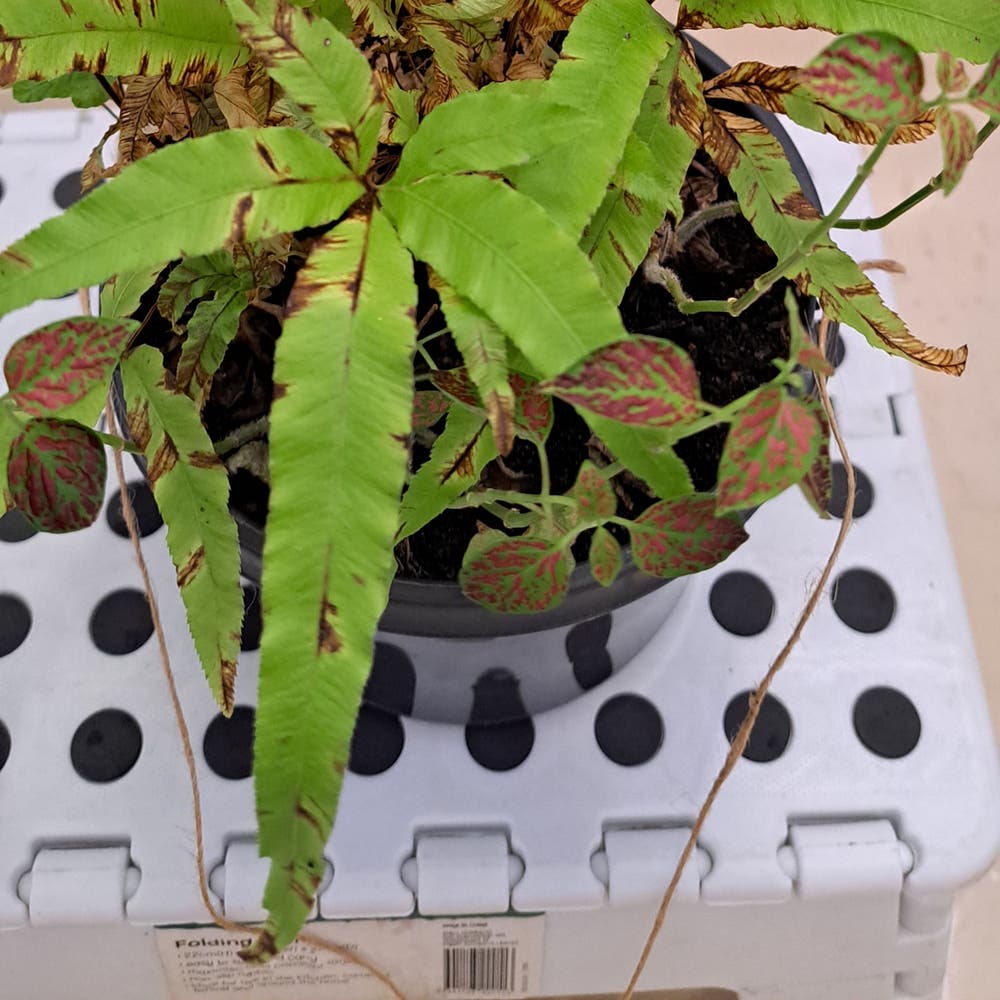
How Should Cretan Brake Be Cut Back?
Pteris cretica
By the Greg Editorial Team
Jun 14, 2024•5 min read
This article was created with the help of AI so we can cover more plants for you. May contain errors. See one? Report it here.
Transform your Cretan Brake into a thriving showpiece with our expert pruning guide. 🌿✨
- Late winter pruning encourages healthy Cretan Brake growth.
- Use sharp shears; disinfect to prevent disease spread.
- Prune strategically for shape, health, and balanced growth.
Optimal Timing for Pruning Cretan Brake
Pruning Cretan Brake is less about the calendar and more about the plant's lifecycle. Aim for late winter to early spring, before the onset of new growth. This timing allows the fern to heal quickly, minimizing stress and vulnerability to diseases.
🌱 Best Season for Pruning
Early spring is your golden ticket. It's when the plant is still snoozing in its dormant phase, right before it stretches out with new growth. This is when you whip out your shears and get to work.
🚩 Signs That It's Pruning Time
Keep an eye out for fronds that have seen better days—those that are brown, crispy, or just plain sad. These are your cues to start pruning. It's like the plant is holding up a sign that says, "Help me out here!"
Remember, proactive observation is key. Catch these signs early, and you can turn your plant's frown upside down. Keep an eye out, and your Cretan Brake will reward you with a cascade of happy, healthy leaves.

Selecting the Right Tools for Pruning
Pruning Cretan Brake isn't rocket science, but choosing the right tools is half the battle. For the delicate fronds of this fern, a sharp pair of pruning shears is your best friend. They're perfect for snips up to 3/4 inches in diameter, which covers most of what you'll encounter.
🛠️ The Tool Lineup
- Pruning Shears: Essential for precise cuts on smaller stems.
- Lopping Shears: Bring out the big guns for branches up to 1 1/2 inches.
- Hand Saws: For the occasional thick branch over 1 inch, a tri-cut or razor tooth saw is your go-to.
- Pole Saws & Chain Saws: Think twice. They're overkill for Cretan Brake and can be unwieldy.
Keeping It Clean
After selecting your weapon of choice, cleanliness is next to godliness. Disinfect your tools before and after use to prevent turning your pruning session into a plant pandemic. A simple wipe with rubbing alcohol or a dip in a bleach solution (1:10 ratio with water) does the trick.
🧼 Disinfection Steps
- Clean off any dirt or sap from the blades with soapy water.
- Disinfect with rubbing alcohol or a bleach solution.
- Dry thoroughly to prevent rust.
Remember, a clean cut is a happy cut, and a happy cut leads to a happy plant. Keep those tools sharp and sanitized, and your Cretan Brake will thank you with lush, healthy growth.

Step-by-Step Pruning Process
🌿 Preparing to Prune
Before you start snipping away at your Cretan Brake, grab your tools. You'll need sharp pruning shears or scissors, and don't forget gloves—those fronds can be sneaky with their edges.
✂️ Cutting Back Fronds
When it's time to cut, be strategic. Look for brown or damaged leaves; these are your first victims. You can remove the whole leaf or just the damaged part, but remember, never more than 20% of the plant at once. You're a gardener, not a barbarian.
🍂 Removing Damaged Growth
Damaged or diseased fronds are like bad vibes; you want them gone. Cut them back to their base to prevent the spread of disease. Keep an eye out for healthy buds when shortening stems; cut just above these points to encourage new growth.
🌱 Pruning in Stages
Take it slow. Pruning in stages is like savoring a fine wine—it's about the journey, not the destination. This prevents the plant from going into shock, which is a real thing, not just something your aunt claims she has when she sees your new haircut.
👀 Evaluating Your Work
Every few cuts, step back and check out your handiwork. Rotate the plant, squint your eyes if you have to, and make sure you're not giving your Cretan Brake an unintended mullet.
🧹 Clean Up
Once you're done, clean those shears. It's like washing your hands after you sneeze—basic hygiene. Plus, it keeps your plant from catching something nasty.
Remember, pruning is like editing a manuscript; every cut should have purpose, clarity, and improve the overall health of your plant. Now go forth and prune with confidence.

Shaping Cretan Brake Through Pruning
Pruning is not just about maintenance; it's an art that shapes the Cretan Brake's future growth. When you prune, you're the artist and the plant is your canvas.
🌿 Methods for Shaping
Strategic cuts can train your Cretan Brake to grow in a more visually appealing manner. Look for fronds that are out of place or disrupt the plant's symmetry. Using sharp secateurs, snip these at the base to encourage new, healthier growth.
🎨 Aesthetic and Health Balance
While shaping, remember that each cut can either benefit or harm your plant. Aim to remove only what's necessary, preserving as much of the healthy growth as possible. This balance is crucial for a thriving Cretan Brake.
🧭 Directional Pruning
Take a cue from directional pruning techniques. Remove fronds that grow inward to improve air circulation and light exposure. This not only enhances the plant's shape but also promotes robust health.
🌱 Encouraging New Growth
Sometimes less is more. Prune older fronds to give way to new growth, keeping the plant compact and lush. This method mimics natural processes, where older parts make way for fresh, vigorous life.
Remember, every snip is a decision. Prune with purpose and your Cretan Brake will thank you with vibrant growth and impeccable form.
⚠️ Safety First
This content is for general information and may contain errors, omissions, or outdated details. It is not medical, veterinary advice, or an endorsement of therapeutic claims.
Always consult a qualified healthcare professional before using any plant as food, medicine, or supplement.
Never eat any plant (or feed one to pets) without confirming its identity with at least two trusted sources.
If you suspect poisoning, call Poison Control (800) 222-1222, the Pet Poison Helpline (800) 213-6680, or your local emergency service immediately.
Spotted an error? Please report it here.
Trim your Cretan Brake to perfection and foster healthy growth 🌿 with Greg's timely reminders, ensuring you prune like a pro from the insights in this guide.