9 Easy Ways to Pollinate Cretan Brake 🐝
Pteris cretica
By the Greg Editorial Team
Oct 02, 2024•4 min read
This article was created with the help of AI so we can cover more plants for you. May contain errors. See one? Report it here.
Cultivate a thriving garden ecosystem by mastering Cretan Brake's unique spore reproduction! 🌱
- 🌱 Cretan Brake reproduces via spores, not flowers, showcasing a unique reproductive strategy.
- 🌬️💧 Wind and water are essential for spore travel and germination in Cretan Brake.
- 🌼 Companion plants enhance biodiversity and attract beneficial pollinators around Cretan Brake.
Flower Structure
Description of Structure 🌿
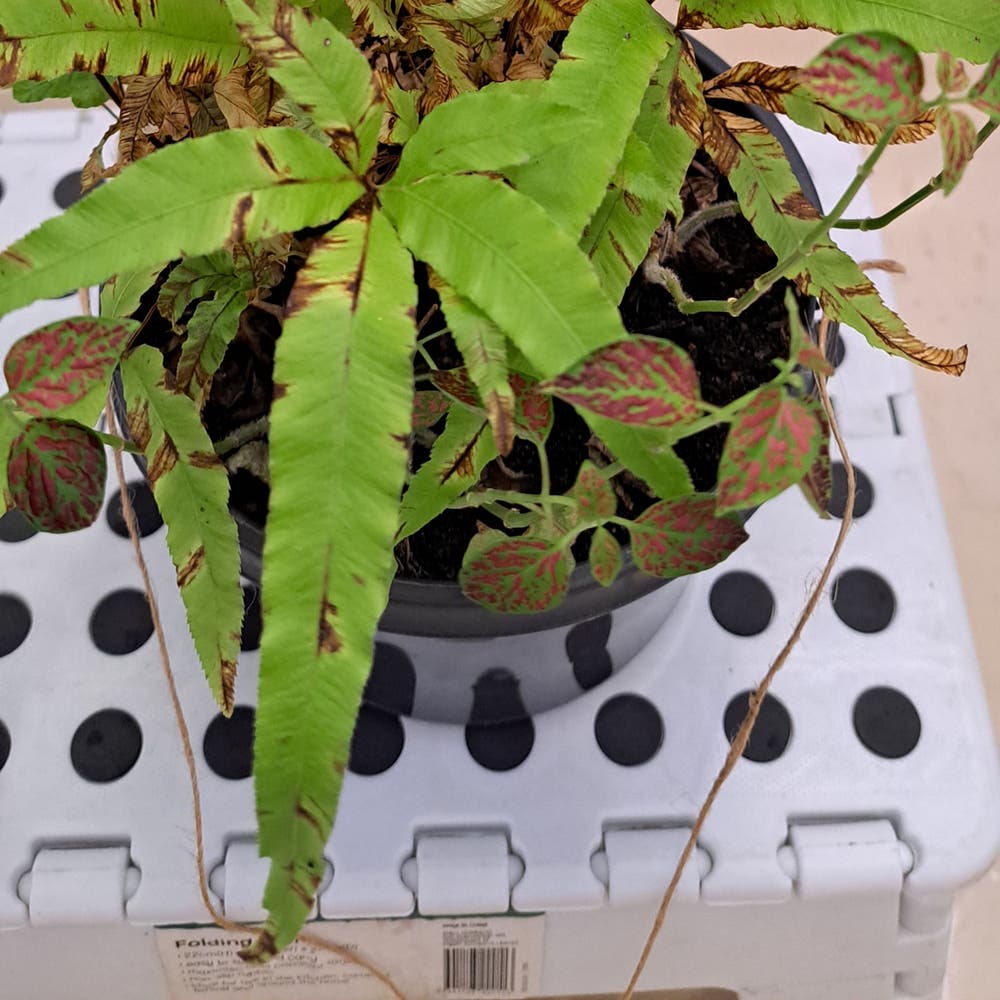
Cretan Brake is unique in that it reproduces through spores instead of traditional flowers. Its fronds are triangular and lobed, designed specifically for effective spore dispersal.
The vibrant green color of the fronds can change based on environmental conditions. Arranged in a rosette pattern, these fronds capture sunlight efficiently, which is crucial for their growth.
Role in Pollination 🌬️
Understanding the spore dispersal process is essential for appreciating how Cretan Brake thrives. Spores are released into the air, relying on wind and water to travel and establish new growth.
Recognizing these characteristics not only enhances our knowledge of the plant but also aids in creating optimal conditions for its growth. This understanding is key for anyone looking to cultivate Cretan Brake successfully.
Pollination Process
Self-Pollination 🌱
Cretan Brake primarily reproduces through spores, which makes traditional self-pollination concepts less relevant. Instead, understanding spore viability and the right germination conditions is crucial for successful growth.
Pollinator Species 🐝
While Cretan Brake doesn’t depend on pollinators, knowing their role can enhance your gardening efforts. Common pollinator species include:
- Bees: Attracted to nearby flowering plants, they contribute significantly to ecosystem health.
- Butterflies: These beautiful creatures enhance biodiversity and support spore dispersal by maintaining habitats.
Attraction Mechanisms 🌼
Creating an inviting environment can attract these beneficial pollinators.
- Companion Plants: Planting flowers nearby fosters a pollinator-friendly atmosphere.
- Moisture and Shade: These elements make the habitat more appealing for various pollinator species.
Understanding these dynamics can help you cultivate a thriving ecosystem around your Cretan Brake. Next, we’ll explore natural pollination and the mechanisms behind spore transfer.
Natural Pollination
🌬️ Pollen Transfer Mechanisms
Cretan Brake relies on spores for reproduction, utilizing wind and water as its primary agents for spore transfer. These natural forces play a crucial role in ensuring that spores reach suitable environments for germination.
Environmental factors significantly influence this process. Humidity and temperature are key players in successful spore release, affecting how and when spores disperse into the air.
🌱 Importance for Reproduction
Spore dispersal is vital for the genetic diversity of Cretan Brake. It allows for a wider distribution of genetic material, which can enhance resilience against environmental changes.
Understanding how environmental conditions impact spore viability and germination is essential for promoting healthy growth. By monitoring these factors, you can support the reproductive success of this unique plant.
As we delve deeper into the world of Cretan Brake, the next section will explore the intricacies of hand pollination and how to effectively collect and distribute spores.
Supporting Pollinators
🌼 Creating a Pollinator-Friendly Environment
Enhancing the habitat around Cretan Brake is essential for supporting local pollinators. Start by planting native flowering species that bloom at different times throughout the year. This diversity ensures a continuous food source for pollinators.
Additionally, providing water sources and shelter can significantly improve the habitat's appeal. Simple features like birdbaths or small ponds can attract various species, while dense shrubs or grasses offer necessary cover.
🌿 Suggested Companion Plants
Incorporating companion plants can further enrich the ecosystem around Cretan Brake. Wildflowers are excellent choices; they promote biodiversity and attract bees and butterflies, vital for a healthy environment.
Herbs like lavender and mint are also fantastic additions. Not only do they smell great, but they are known to attract a variety of pollinator species, enhancing the overall vibrancy of your garden.
By creating a welcoming environment and choosing the right companion plants, you can significantly boost the health of local pollinators. This, in turn, supports the broader ecosystem, ensuring that Cretan Brake thrives in its natural habitat.
Next, let’s explore the challenges faced in pollination and how to overcome them effectively.
Pollination Challenges
Common Obstacles 🌪️
Environmental factors can significantly impact spore dispersal for Cretan Brake. Temperature fluctuations can affect spore viability, while humidity levels are crucial for successful spore release and germination.
Solutions for Overcoming Challenges 🛠️
To improve spore dispersal, consider creating microclimates that provide adequate moisture and shade. Regularly monitoring environmental conditions will also help ensure optimal growth.
Seasonal Variations 🍂
Seasonal changes play a vital role in spore production and dispersal. The timing of spore release often aligns with environmental conditions, making seasonal moisture levels critical for successful reproduction.
Understanding these challenges and solutions can enhance your efforts in cultivating Cretan Brake, ensuring a thriving ecosystem.
⚠️ Safety First
This content is for general information and may contain errors, omissions, or outdated details. It is not medical, veterinary advice, or an endorsement of therapeutic claims.
Always consult a qualified healthcare professional before using any plant as food, medicine, or supplement.
Never eat any plant (or feed one to pets) without confirming its identity with at least two trusted sources.
If you suspect poisoning, call Poison Control (800) 222-1222, the Pet Poison Helpline (800) 213-6680, or your local emergency service immediately.
Spotted an error? Please report it here.
Unlock the secrets of thriving Cretan Brake 🌿 by using Greg's tailored tips to optimize moisture and shade for spore success in your garden!