4 Key Factors in Choosing a Sweet Almond Bush Pot 🌰
Aloysia virgata
By the Greg Editorial Team
Sep 28, 2024•6 min read
This article was created with the help of AI so we can cover more plants for you. May contain errors. See one? Report it here.
Unlock your Sweet Almond Bush's full potential 🌱 by mastering the art of choosing the perfect pot size for every growth stage!
- 🌱 Choose pot size based on growth stages: 6-8 inches for juveniles, 10-14 for maturity.
- 🕳️ Ensure proper drainage: At least three holes prevent root rot and promote health.
- 🏺 Select pot material wisely: Clay, plastic, ceramic, or metal each have unique benefits.
Importance of Pot Size for Different Growth Stages
🌱 Growth Stages
Understanding the growth stages of your Sweet Almond Bush is crucial for selecting the right pot size.
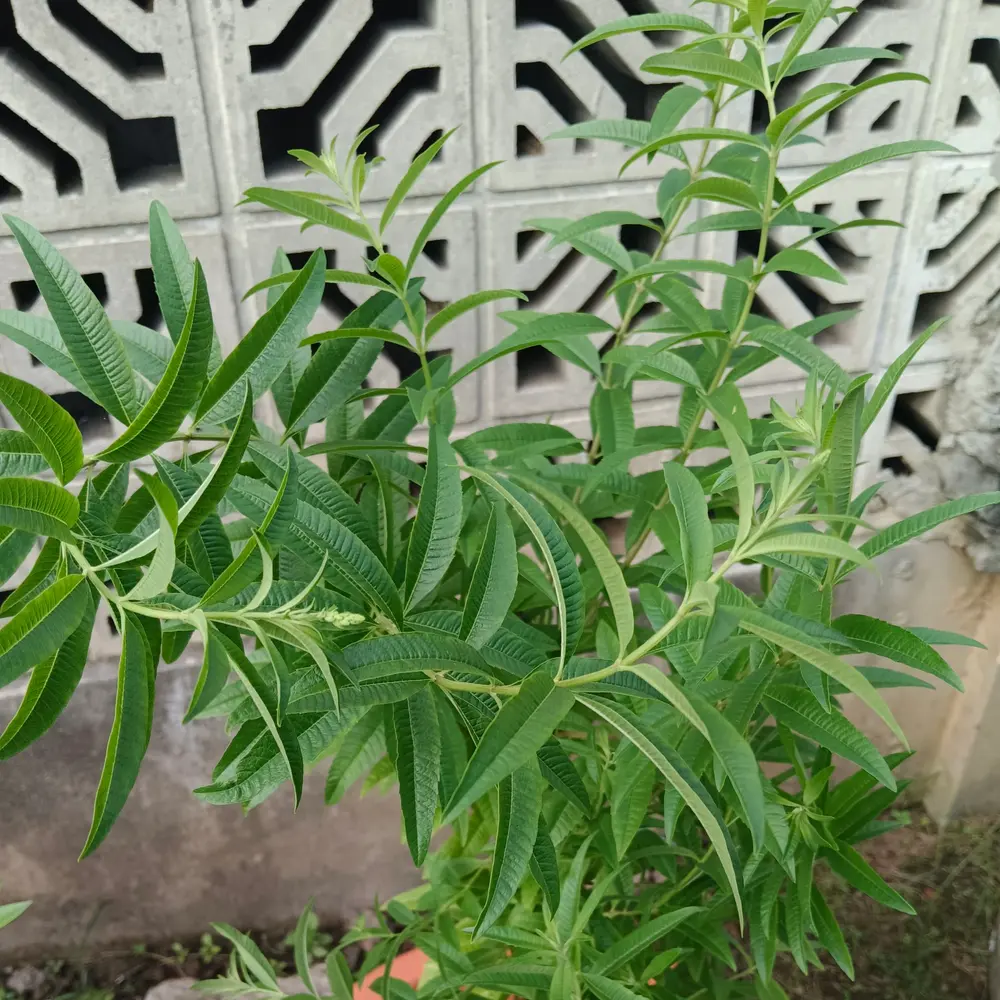
In the juvenile stage, these plants are just starting to establish themselves, typically showing vibrant green leaves and a compact form. Expect moderate growth as they settle into their environment.
As they transition to the mature stage, the plants will exhibit larger leaves and a more robust structure. At this point, you should look for signs of health, such as lush foliage and steady growth.
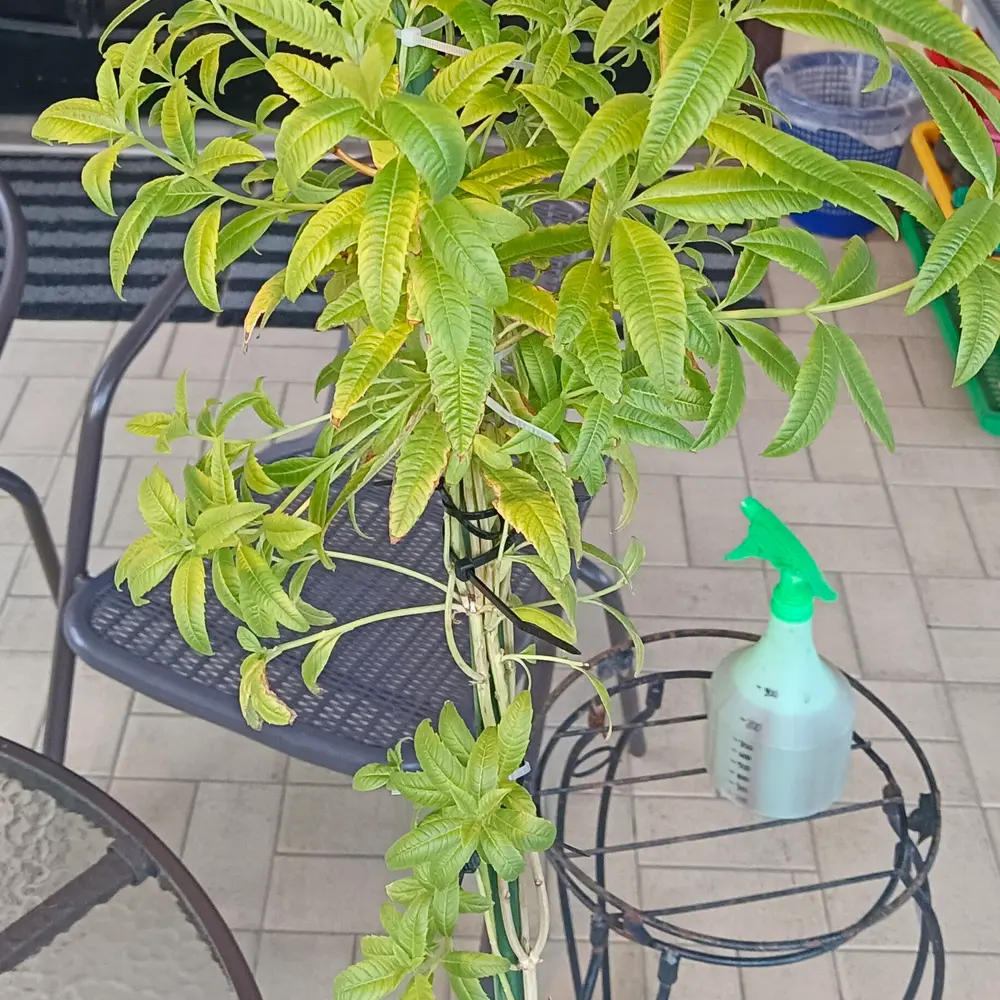
When your plant enters the overgrown stage, it may show signs of distress. Look for roots protruding from drainage holes or stunted growth, indicating that it has outgrown its current pot.
🪴 Recommended Pot Sizes
Choosing the right pot size is essential for each growth stage.
For juvenile plants, a container size of 6-8 inches in diameter is ideal. This size allows for adequate root development without overwhelming the young plant.
As your Sweet Almond Bush matures, transition to a pot size of 10-14 inches in diameter. This size supports healthy growth and prevents the plant from becoming root-bound.
If you notice signs of overgrowth, it’s time to repot into a larger container, ideally 16-20 inches in diameter. This adjustment is vital for maintaining plant health and promoting continued growth.
Always remember to adjust pot size as your plant grows. This proactive approach ensures your Sweet Almond Bush thrives at every stage of its life.
With the right pot size, you set the foundation for a healthy, flourishing plant. Next, let’s explore the various pot materials that can further influence your plant's growth.
Pot Materials
Advantages and Disadvantages of Clay Pots 🌱
Clay pots are a popular choice for many gardeners. Their breathability allows for better air circulation, which is crucial for root health.
They also retain moisture well, reducing the frequency of watering. Plus, their natural aesthetic can enhance any garden space.
However, clay pots come with some drawbacks. They can be quite heavy, making them difficult to move, especially when filled with soil.
Additionally, they are prone to cracking if exposed to extreme temperatures. This sensitivity can be a concern in fluctuating climates.
Advantages and Disadvantages of Plastic Pots ♻️
Plastic pots offer a lightweight and affordable alternative. They come in a variety of sizes and colors, making them versatile for any setting.
Their low cost makes them accessible for beginners and seasoned gardeners alike. However, they are less breathable than clay pots, which can lead to moisture retention issues.
Plastic pots can also overheat in direct sunlight, potentially harming the plant's roots. This is a critical consideration when choosing pots for outdoor use.
Other Materials to Consider 🏺
Ceramic pots are another option worth exploring. They provide aesthetic appeal and better insulation for plant roots.
On the other hand, metal pots are durable and offer a modern look. However, they can retain heat, which might stress the plant during hot weather.
When comparing materials, consider drainage, insulation, and aesthetics. Each option has its unique benefits and challenges, so choose wisely to support your Sweet Almond Bush's health.
In summary, the choice of pot material significantly impacts your plant's growth and well-being. Next, let's delve into drainage considerations, which are equally crucial for maintaining a thriving plant.
Drainage Considerations
Importance of Drainage Holes 🌊
Drainage holes are crucial for the health of your Sweet Almond Bush. They prevent root rot by allowing excess water to escape, promoting healthy growth.
For optimal performance, aim for at least three to four drainage holes, each about 1/2 inch in diameter. This ensures that water can flow freely, keeping the roots happy and healthy.
Ensuring Proper Drainage 🚰
When selecting pots, look for those with built-in drainage. This feature is essential for maintaining the right moisture levels and preventing waterlogged soil.
If you have pots without holes, consider adding materials like gravel or perlite at the bottom. These additions enhance drainage and help keep the soil aerated.
Monitoring moisture levels is also key. Regularly check the soil to avoid overwatering, which can lead to serious health issues for your plant.
By prioritizing drainage, you set your Sweet Almond Bush up for success. A well-drained pot not only supports growth but also enhances the overall vitality of your plant.
Next, let’s explore the best practices for repotting your Sweet Almond Bush to ensure it continues to thrive.
Repotting Guidelines
Signs That It’s Time to Repot 🌱
Recognizing when to repot your Sweet Almond Bush is crucial for its health. Look for signs like roots growing out of the drainage holes or stunted growth, which indicate that the plant is root-bound.
Additionally, check the soil condition. If it feels compacted or depleted, it’s time for a change.
Step-by-Step Guide to Repotting 🛠️
Choose the right time: The best seasons for repotting are spring or early summer, when the plant is actively growing.
Prepare the new pot: Ensure it has adequate drainage holes to prevent water accumulation.
Remove the plant: Gently extract the Sweet Almond Bush from its current pot, taking care not to damage the roots.
Inspect the roots: Trim any damaged or excessively long roots to promote healthy growth.
Place in new pot: Position the plant at the same depth as before to maintain stability.
Fill with fresh soil: Use a well-draining potting mix suitable for Sweet Almond Bush to encourage healthy root development.
Water thoroughly: Ensure the soil is moist but not waterlogged, which can lead to root rot.
Choosing the Right Pot When Repotting 🪴
When selecting a new pot, consider size, material, and drainage capabilities. A pot that accommodates future growth is essential for the long-term health of your plant.
Choosing the right pot can make all the difference in maintaining a thriving Sweet Almond Bush. With proper care and attention, your plant will flourish in its new home.
Next, let’s explore how pot choice impacts plant health.
Impact of Pot Choice on Plant Health
🌱 How Size and Material Affect Growth
Choosing the right pot size is crucial for your Sweet Almond Bush. An inadequate pot can stunt growth, leading to health issues that could have been easily avoided.
The material of the pot also plays a significant role. For instance, clay pots allow for better air circulation, while plastic pots may retain heat, affecting moisture levels.
🚫 Common Issues Related to Poor Pot Selection
Poor drainage is a common problem that can lead to root rot. Without adequate drainage holes, excess water accumulates, suffocating the roots and causing decay.
Temperature fluctuations can stress your plant, especially if you choose materials that retain heat. This stress manifests as wilting or yellowing leaves, signaling that your plant is unhappy with its environment.
By understanding these factors, you can make informed decisions that promote the health and vitality of your Sweet Almond Bush. Next, let’s explore the essential drainage considerations to keep your plant thriving.
⚠️ Safety First
This content is for general information and may contain errors, omissions, or outdated details. It is not medical, veterinary advice, or an endorsement of therapeutic claims.
Always consult a qualified healthcare professional before using any plant as food, medicine, or supplement.
Never eat any plant (or feed one to pets) without confirming its identity with at least two trusted sources.
If you suspect poisoning, call Poison Control (800) 222-1222, the Pet Poison Helpline (800) 213-6680, or your local emergency service immediately.
Spotted an error? Please report it here.
Choosing the right pot for your Sweet Almond Bush is essential 🌿, and with Greg's tailored reminders and expert tips, you'll keep your plant thriving through every growth stage!