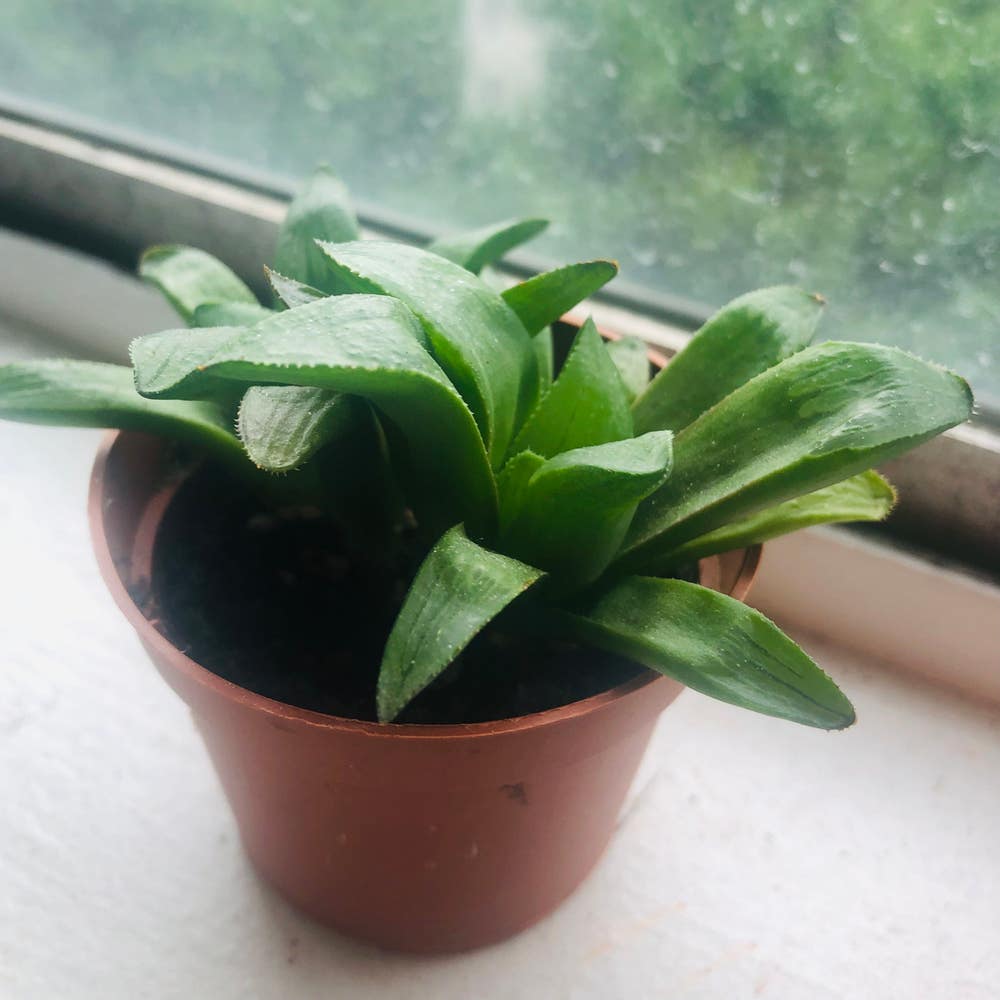
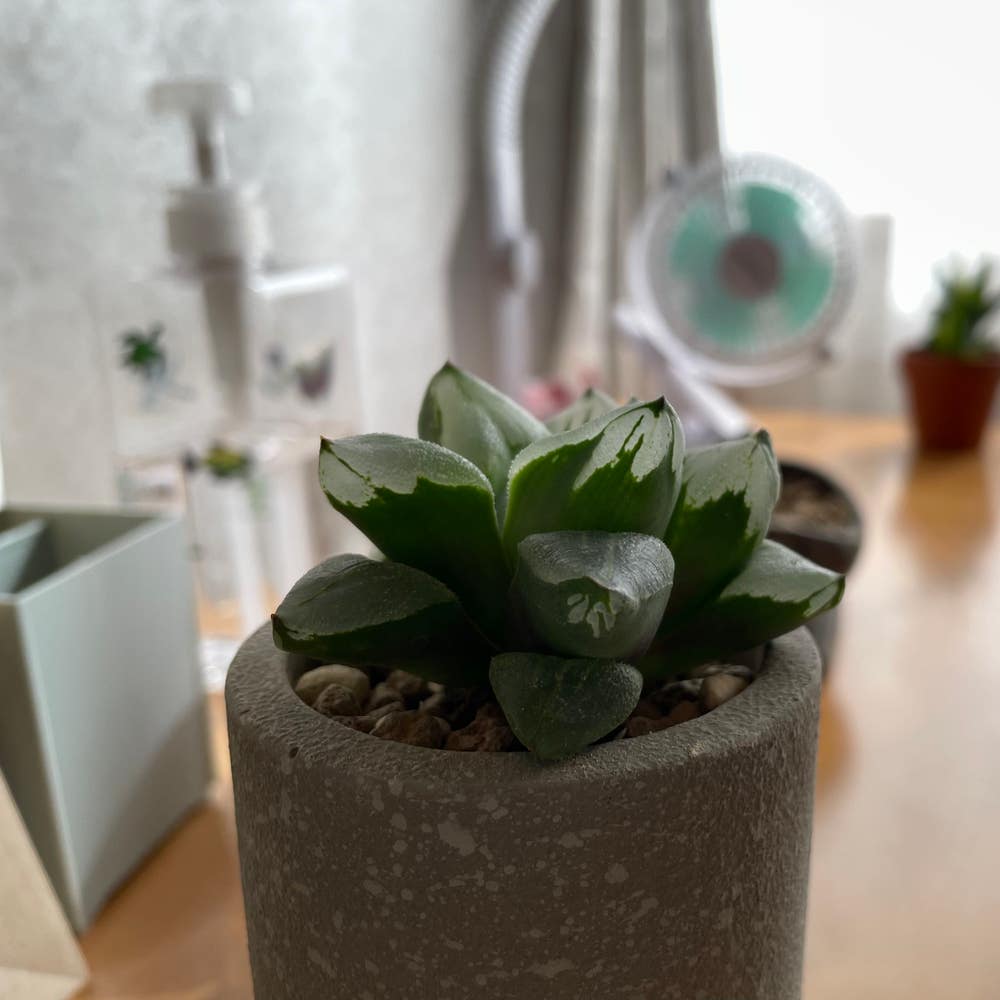
Best Spot to Plant Your Pygmy Haworthia 🌵
Haworthia pygmaea
By the Greg Editorial Team
Oct 01, 2024•2 min read
This article was created with the help of AI so we can cover more plants for you. May contain errors. See one? Report it here.
Unlock your Pygmy Haworthia's full potential by finding its ideal sunny spot! 🌞🪴
- 🌞 Pygmy Haworthia thrives in bright, indirect light for 4-6 hours daily.
- 🌱 Use well-draining soil to prevent root rot and promote healthy growth.
- 🏺 Choose pots with drainage holes and elevate for better airflow and drainage.
Ideal Locations for Pygmy Haworthia
🌞 Sunlight Exposure Requirements
Pygmy Haworthia thrives in bright, indirect light. While it can tolerate partial shade, be aware that growth may slow down significantly.
Signs of inadequate light include stretching or leggy growth and pale leaves. Aim for 4-6 hours of indirect sunlight daily to keep your plant healthy and vibrant.
🪴 Soil and Drainage Needs
For optimal growth, use a well-draining succulent or cactus mix. If you're feeling adventurous, create your own blend by combining potting soil with sand and perlite in a 2:1:1 ratio.
Proper drainage is crucial to prevent root rot. When planting in containers, always choose pots with drainage holes and consider elevating them on risers for better airflow.
When planting outdoors, steer clear of low-lying areas where water might pool. Instead, opt for raised beds or mounds to enhance drainage.
🌱 Proximity to Other Plants and Structures
Pygmy Haworthia pairs well with other succulents and drought-tolerant plants. Ensure that any companions have similar water and light needs to avoid competition.
Being near reflective surfaces, like walls or structures, can boost light exposure. Maintain a distance of at least 12 inches from walls or larger plants to give your Haworthia room to thrive.
📍 Assessing and Choosing the Best Spot
To find the perfect location for your Pygmy Haworthia, follow these steps:
- Observe light patterns throughout the day.
- Check soil drainage by digging a small hole and monitoring water retention.
- Evaluate wind exposure and consider potential protection options.
- Assess the proximity to other plants and structures for optimal growth.
🛠️ Tools and Methods for Evaluating Potential Locations
Equip yourself with a few handy tools: a soil moisture meter, a light meter, and a garden spade.
To assess your chosen spot, monitor sunlight exposure over a week. Test soil drainage by filling a hole with water and timing how long it takes to drain. A compass can also help you determine sun direction and shade patterns throughout the day.
By carefully considering these factors, you'll set your Pygmy Haworthia up for success in its new home. Now, let’s dive into the next section on soil and drainage needs to ensure your plant has the best foundation possible.
⚠️ Safety First
This content is for general information and may contain errors, omissions, or outdated details. It is not medical, veterinary advice, or an endorsement of therapeutic claims.
Always consult a qualified healthcare professional before using any plant as food, medicine, or supplement.
Never eat any plant (or feed one to pets) without confirming its identity with at least two trusted sources.
If you suspect poisoning, call Poison Control (800) 222-1222, the Pet Poison Helpline (800) 213-6680, or your local emergency service immediately.
Spotted an error? Please report it here.
Maximize your Pygmy Haworthia's growth by finding its ideal spot 🌞 with Greg's tailored light and moisture assessments that keep your plant thriving!