Why Are My Haworthia pygmaea Leaves Mushy? 💧
Haworthia pygmaea
By the Greg Editorial Team
Feb 13, 2024•4 min read
This article was created with the help of AI so we can cover more plants for you. May contain errors. See one? Report it here.
Rescue your Haworthia pygmaea from mushy peril with our essential care guide! 🌵💦
- Mushy leaves signal distress; stop watering and check for overwatering or poor drainage.
- Repot with well-draining soil and a properly sized pot to combat root rot.
- Monitor and adjust care seasonally to maintain a healthy Haworthia pygmaea.
Spotting the Trouble: Signs Your Haworthia pygmaea is Suffering
🚨 Telltale Symptoms of Distress
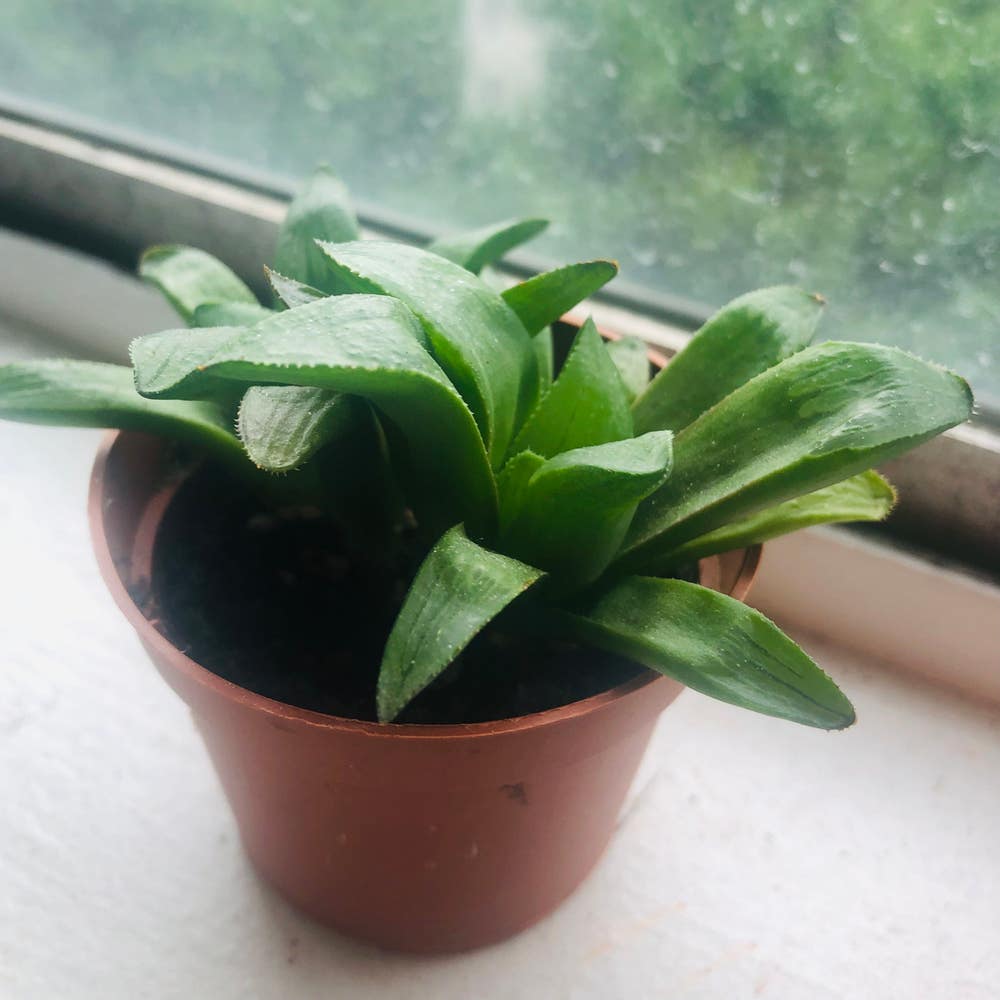
Mushy leaves on your Haworthia pygmaea are a red flag. It's a succulent SOS, signaling that all is not well in its tiny world. Look for leaves that have lost their firmness, becoming soft and translucent. These are the unmistakable signs of distress. Yellowing or browning tips are also a cause for concern, hinting at possible overwatering or nutrient deficiencies.
🕵️ Investigating the Root Cause
To get to the bottom of the problem, start with a soil check. If it clings to your finger, it's too wet. Overwatering is often the culprit, but don't overlook poor drainage or the silent assassin—root rot. Lift the pot; a heavy feel suggests excess water. Inspect the roots by gently removing the plant from its pot. Healthy roots are firm and white, while mushy, discolored roots scream root rot. Remember, your Haworthia's health hinges on the right balance of care.
First Aid for Your Succulent: Immediate Actions to Take
🚱 Halting Water Damage
If your Haworthia pygmaea has mushy leaves, it's time to act—fast. Stop watering immediately. This isn't just a tip; it's a critical intervention to prevent further damage. Let the soil dry out completely. Check the soil's moisture by feeling the top inch—if it's damp, hold off on the H2O.
🦸 Emergency Repotting
When root rot is the villain, repotting is your superhero move. Remove your Haworthia pygmaea from its pot with care. Shake off excess soil and inspect the roots. Healthy roots are firm and white, while rotten ones are mushy and dark. Snip off the damaged parts with sterilized shears.
🌱 Preparing for Repotting
Choose a well-draining soil mix and a pot with drainage holes. This combo is like a life jacket for your succulent's roots. Repot your plant, but resist the urge to water immediately. Give it a few days to settle into its new home and recover from the shock.
Aftercare
Monitor your plant closely. If you've caught the problem early, your Haworthia pygmaea might just bounce back with vigorous growth. Remember, your succulent's life depends on the balance of care you provide from here on out.
Long-Term Care Strategies to Avoid Soggy Situations
🚿 Mastering the Art of Watering
Watering your Haworthia pygmaea is less about setting reminders and more about getting hands-on. Check the soil before you water; if the top inch feels like a dry debate, it's time to get moist. Room temperature water is your best bet—no shocks, no shivers, just hydration. Aim for damp, not drenched.
🏡 The Perfect Home: Choosing Pots and Soil
Pot selection is critical. Think of it as real estate for roots; you want good drainage, not a swamp. Go for a pot with holes that could double as a sieve. As for size, snug is the goal—too spacious, and moisture lingers like an awkward guest.
Soil is key. Mix it up with a cactus blend that drains faster than your enthusiasm on a Monday morning. Add perlite or sand to keep it airy, like a well-ventilated room. This combo keeps your Haworthia's feet dry and happy, far from the dreaded mush.
Keeping Vigilant: Ongoing Prevention and Maintenance
🕵️ Regular Check-Ups
Regular inspections of your Haworthia pygmaea are crucial. Think of it as your plant's personal health screening. Spot any early signs of distress, such as wilting, discoloration, or unusual leaf behavior, and you're already one step ahead in the prevention game.
🌱 Seasonal Adjustments
Your succulent's needs shift with the seasons. In winter, ease up on the watering; during summer, dial up the shade. It's about being flexible and responsive to your plant's needs, ensuring it doesn't throw a fit from too much sun or sulk from the cold. Rotate the pot occasionally for even growth—symmetry is key, not just for aesthetics but for the plant's well-being.
Rotate your plant regularly to ensure even light exposure and growth. Keep an eye out for pests and evict them before they settle in. Remember, a clean plant is a happy plant, so keep those leaves dust-free and shiny.
Adjust your watering with the seasons—less in the cool winter, a bit more in the summer heat. And don't forget to mulch; it's like a cozy blanket for your plant's roots, keeping them snug and protected.
⚠️ Safety First
This content is for general information and may contain errors, omissions, or outdated details. It is not medical, veterinary advice, or an endorsement of therapeutic claims.
Always consult a qualified healthcare professional before using any plant as food, medicine, or supplement.
Never eat any plant (or feed one to pets) without confirming its identity with at least two trusted sources.
If you suspect poisoning, call Poison Control (800) 222-1222, the Pet Poison Helpline (800) 213-6680, or your local emergency service immediately.
Spotted an error? Please report it here.
Banish the mush and rescue 🚑 your Haworthia pygmaea with Greg's custom care plan, ensuring you water perfectly every time.