🌞 Is Direct Sunlight Good for My Haworthia pygmaea?
Haworthia pygmaea
By the Greg Editorial Team
Feb 13, 2024•4 min read
This article was created with the help of AI so we can cover more plants for you. May contain errors. See one? Report it here.
Ensure your Haworthia pygmaea thrives, not fries, with the perfect sun strategy. 🌞🌱
- 🌞 Direct sunlight can sunburn Haworthia pygmaea, move to shadier spot if brown patches appear.
- East or west-facing windows offer ideal light; south or north may need sun filters.
- Seasonal changes matter: Adjust watering and check plant health more in winter.
Sunlight Simplified: Direct vs. Indirect
Direct sunlight is the unfiltered VIP of light, hitting your plants with all its might. It's like the sun's sending a straight-up text message to your Haworthia pygmaea, with no clouds to 'leave it on read'. Summer sun is notorious for this, bringing the heat and the intensity.
🌞 Direct Sunlight: The Heat is On
Imagine the sun at high noon in July; that's direct sunlight in its prime. It's a focused beam of warmth, which is great for beach day selfies but can be a bit much for your succulent. Indirect sunlight, on the other hand, is the chill cousin. It's sunlight that's bounced off clouds or walls, delivering a gentler touch.
🌥️ Indirect Sunlight: A Softer Approach
Think of indirect sunlight as the sun's message forwarded by the clouds. It's softer, more diffuse, and won't turn your Haworthia pygmaea into a crispy critter. It's the kind of light that creates a weak shadow, a silhouette that's there but isn't too sharp.
The Window to Your Plant's Soul
Your windows play a big role in this light drama. South-facing ones are like sun magnets, while east or west-facing windows offer a light buffet throughout the day. North-facing windows? They're the cool kids, offering low-key vibes with minimal direct sun.
The Shadow Knows
To figure out what kind of light you've got, do the shadow test. A sharp, defined shadow screams direct light, while a faint one whispers indirect. Your Haworthia pygmaea will throw some shade of its own if it's not happy with its light situation, so watch for those cues.
Haworthia Pygmaea's Sunlight Tango
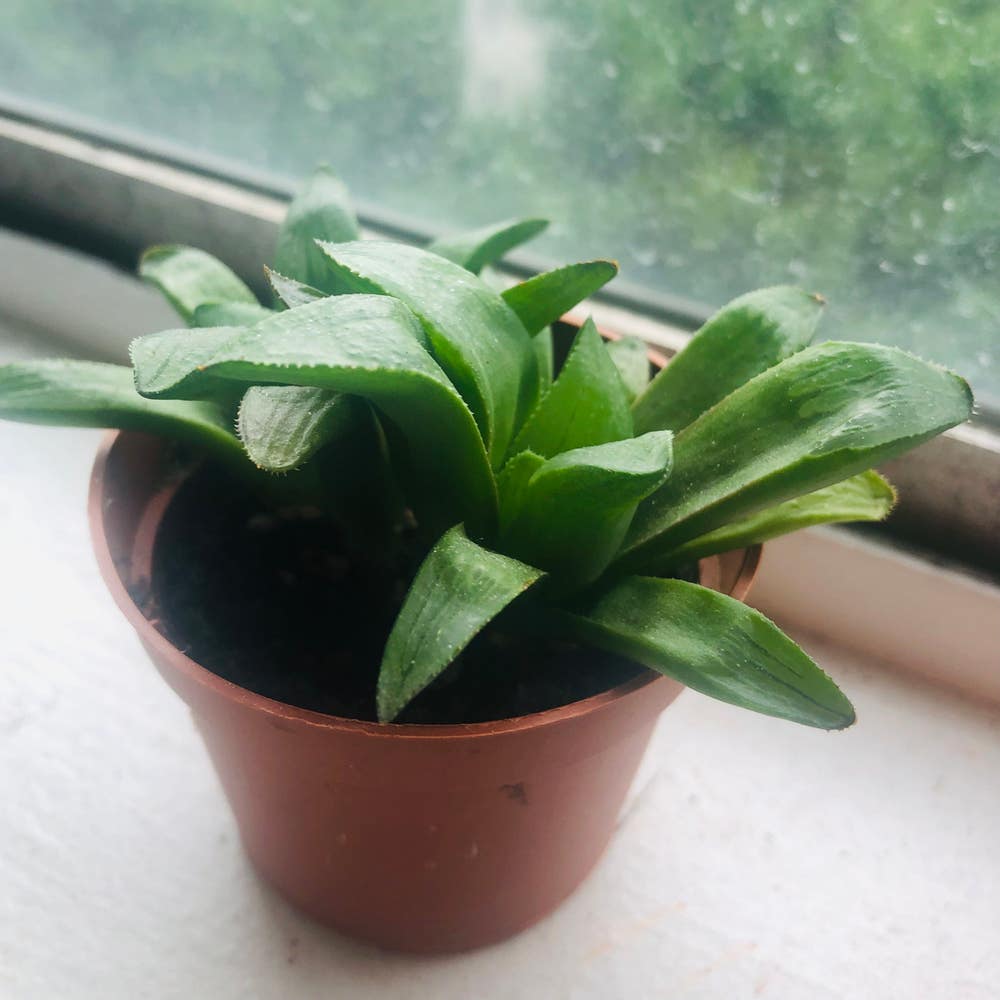
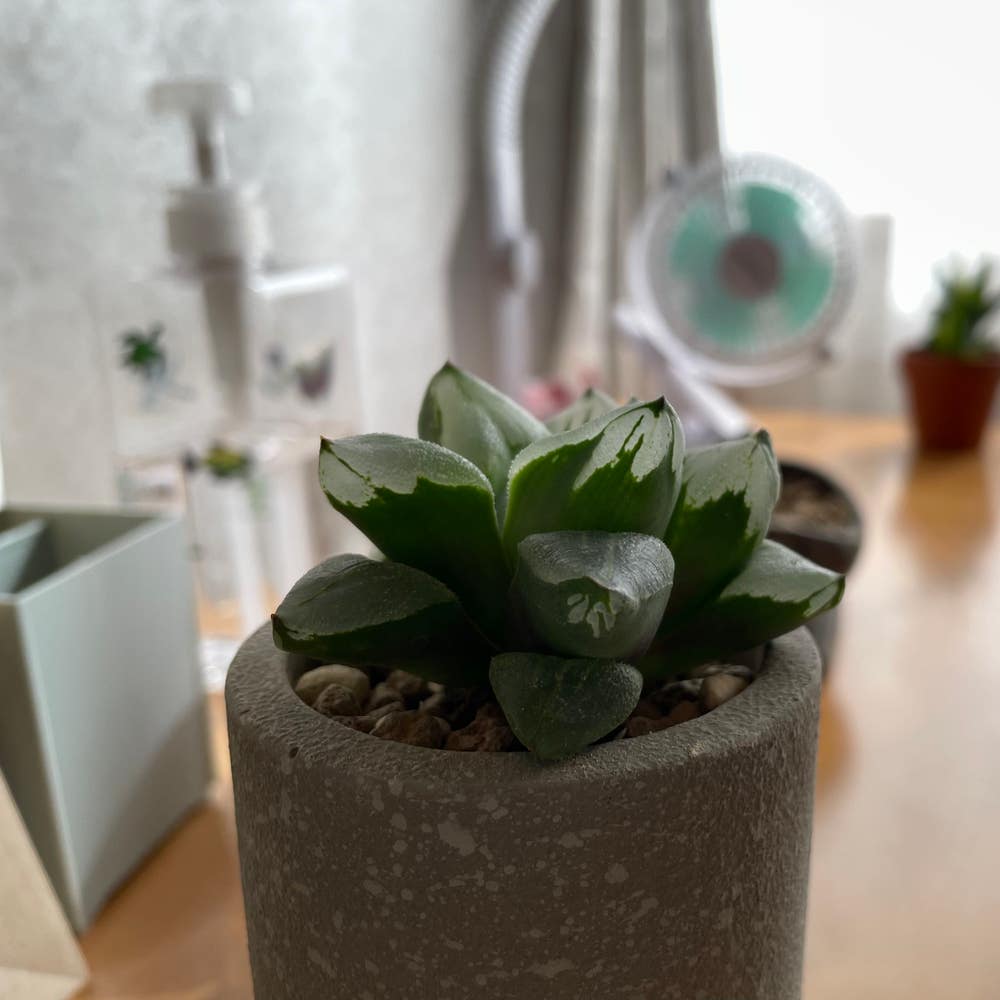
Haworthia pygmaea thrives in bright light, but direct sunlight? That's a dance it doesn't lead. This succulent prefers to sidestep the harsh midday rays, opting instead for a soft-shoe shuffle in dappled light or a gentle morning boogie.
🌞 Signs of Too Much Sun
Brown patches on your Haworthia pygmaea's leaves are the plant's version of a sunburn. If the lush green has turned pale or bleached, your plant's telling you it's time to seek shelter. Immediate action is crucial—move your succulent to a shadier spot without delay.
🚑 The Rescue Mission: Helping Your Plant Recover from a Sunbath Gone Wrong
If your Haworthia pygmaea looks more fried than a beachgoer without sunscreen, it's recovery time. Gradually acclimate it back to a well-lit area, avoiding direct sunlight like it's the plant equivalent of a bad hangover. Patience is key—think weeks, not days, for your green buddy to bounce back.
The Window Compass: Navigating Sunlight at Home
Finding the optimal spot for your Haworthia pygmaea is key to its growth. South-facing windows in the Northern Hemisphere are like the sun's spotlight, bathing your plant in bright light. If you're in the Southern Hemisphere, it's north-facing windows that offer this premium light exposure. Seasons shift the sun's path, so stay alert to your plant's needs year-round.
🌞 Creating the Perfect Sunlight Spot
Crafting the ideal location for your Haworthia pygmaea involves a bit of strategy. East-facing windows provide a gentle morning light, easing your plant into the day, while west-facing ones deliver a stronger afternoon dose. For those intense south or north-facing windows, depending on your hemisphere, consider using sun filters or sheer curtains to protect your succulent from harsh rays. Remember, the goal is to mimic the dappled sunlight of its natural environment, not to create a desert oasis.
Keeping Your Haworthia Pygmaea Happy in the Sun
Seasonal changes are more than just a date on the calendar for your Haworthia pygmaea. As the sun shifts its course, so should your care routine. In the summer, when the plant may go dormant, water less frequently. Come winter, the drier air might demand more regular check-ins with your watering can.
The hydration equation is simple: balance water and light for a thriving plant. Overwatering is a no-go, especially in cooler, darker months. Let the soil dry out between waterings, and remember, this succulent can coast on one good drink for a while.
🌞 When to Adjust Your Plant's Sun Exposure
Reading the leaves is like understanding a silent language. If they're reaching for the sky, they're likely soaking up the right amount of sun. But if they start to look like they've had a rough night—crispy or discolored—it's time to rethink their spot in the sun.
Relocation isn't just for witness protection. If your Haworthia pygmaea is catching too many rays, move it to a place where the sunlight is bright but indirect. Think of it as putting your plant in sunglasses—a spot where it can bask without the risk of a sunburn.
⚠️ Safety First
This content is for general information and may contain errors, omissions, or outdated details. It is not medical, veterinary advice, or an endorsement of therapeutic claims.
Always consult a qualified healthcare professional before using any plant as food, medicine, or supplement.
Never eat any plant (or feed one to pets) without confirming its identity with at least two trusted sources.
If you suspect poisoning, call Poison Control (800) 222-1222, the Pet Poison Helpline (800) 213-6680, or your local emergency service immediately.
Spotted an error? Please report it here.
Find the perfect spot 🌟 for your Haworthia pygmaea with Greg's PlantVision, ensuring it gets just the right amount of light without the sunburn.