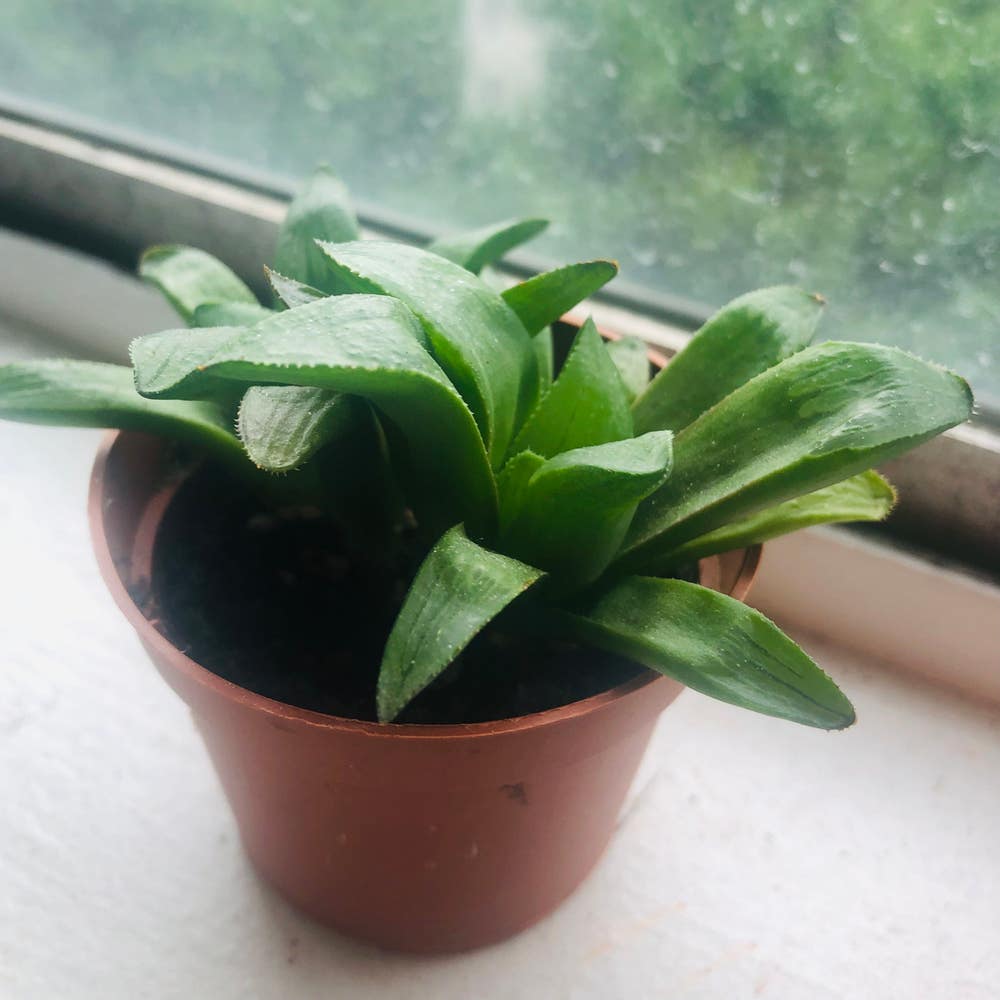
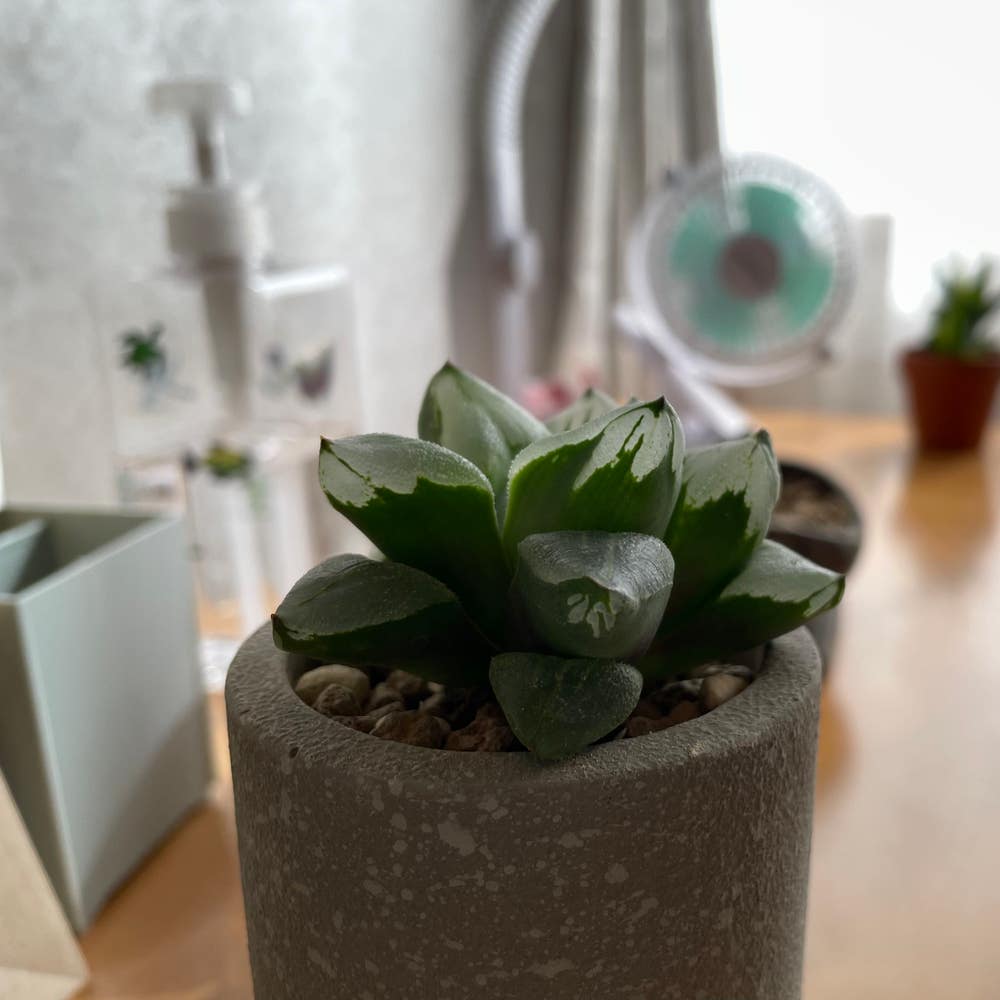
🌵 4 Secrets to Thriving Indoor Pygmy Haworthia
Haworthia pygmaea
By the Greg Editorial Team
Oct 01, 2024•4 min read
This article was created with the help of AI so we can cover more plants for you. May contain errors. See one? Report it here.
Elevate your indoor garden with a flourishing Pygmy Haworthia by mastering essential care tips! 🌱
- 🌞 Bright, indirect light is crucial for thriving Pygmy Haworthia; avoid direct sunlight.
- 💧 Water every 2-3 weeks using the "soak and dry" method to prevent root rot.
- 🌱 Use well-draining soil and fertilize every 4-6 weeks for optimal growth.
Indoor Care Requirements
Light Requirements 🌞
For thriving indoor Pygmy Haworthia, bright, indirect light is essential. Direct sunlight can scorch their delicate leaves, so aim for indoor light levels between 10,000 to 20,000 lux for optimal growth.
Role of Grow Lights 💡
Grow lights play a crucial role in supplementing natural light, especially in low-light conditions. When choosing a grow light, opt for full-spectrum LED lights that can be adjusted in height to accommodate your plant's growth.
Watering Needs 🚰
Water your Pygmy Haworthia every 2-3 weeks, ensuring the soil dries out completely between waterings. The "soak and dry" method works best: water thoroughly and let any excess drain away.
Signs of Overwatering and Underwatering 🛡️
Be vigilant for signs of overwatering, such as yellowing leaves, a mushy texture, and root rot. Conversely, underwatering symptoms include wrinkled leaves and stunted growth, indicating your plant needs more hydration.
Humidity and Temperature 🌡️
Pygmy Haworthia thrives in low to moderate humidity levels, ideally between 30-50%. A hygrometer can help you monitor indoor humidity effectively.
For temperature, aim for a range of 20°C to 25°C (68°F to 77°F). While they can tolerate temperatures down to 10°C (50°F), it's crucial to protect them from frost to ensure their health.
With these indoor care requirements in mind, your Pygmy Haworthia will flourish beautifully. Next, let’s explore the best soil and fertilization practices to keep your plant thriving.
Soil and Fertilization
Best Soil Type 🌱
For your Pygmy Haworthia, a well-draining soil mix is essential. The best choice is a cactus or succulent potting mix, which allows excess moisture to escape and prevents root rot.
You can enhance drainage further by adding perlite or sand. This simple adjustment can make a significant difference in your plant's health.
Fertilization Schedule and Types 🌿
Fertilizing your indoor plants is crucial for their growth. During the growing season, which spans spring and summer, use a balanced, diluted liquid fertilizer.
Aim to fertilize every 4-6 weeks to keep your Pygmy Haworthia thriving. Opt for low-nitrogen fertilizers, such as a 5-10-10 NPK blend, to provide the right nutrients without overwhelming your plant.
By following these soil and fertilization guidelines, you set the stage for a vibrant and healthy indoor garden. Next, let’s explore common issues and solutions to keep your Pygmy Haworthia flourishing.
Common Issues and Solutions
🐜 Common Pests and Prevention
Pygmy Haworthia can attract a few pesky pests.
- Mealybugs: Look for cotton-like masses on leaves.
- Spider mites: Check for fine webbing and stippled leaves.
To keep these nuisances at bay, conduct regular inspections. Wipe the leaves with a damp cloth and consider using insecticidal soap or neem oil when necessary.
🦠 Diseases and Treatment
Understanding common diseases is crucial for maintaining your plant's health.
- Root rot: This often results from overwatering. If you notice it, repot your plant in dry soil to save it.
- Fungal infections: These can be treated effectively with fungicides.
Stay vigilant to catch these issues early.
🛠️ Troubleshooting Common Problems
Sometimes, your Pygmy Haworthia may show signs of distress.
- Yellowing leaves: This often indicates overwatering or insufficient light. Adjust your care routine accordingly.
- Stunted growth: If your plant isn’t thriving, assess its light levels and nutrient availability.
By addressing these common problems, you can help your Pygmy Haworthia flourish. Next, let’s explore the best placement and maintenance tips to keep your plant looking its best.
Placement and Maintenance
Best Locations in the Home 🌅
Finding the right spot for your Pygmy Haworthia is crucial for its health. Place it near east or west-facing windows to ensure it receives optimal light without the risk of scorching.
Avoid areas with drafts or extreme temperature fluctuations. These conditions can stress your plant and hinder its growth.
Tips for Maintaining Appearance ✂️
To keep your Pygmy Haworthia looking its best, regularly remove any dead or damaged leaves. This simple task not only enhances its appearance but also promotes healthier growth.
Rotating the plant occasionally helps ensure even growth. This way, all sides receive adequate light, preventing any lopsidedness.
Seasonal Care Adjustments 🍂
As seasons change, so should your care routine. In winter, reduce watering frequency to once a month to accommodate the plant's dormant phase.
Keep an eye on light exposure as days shorten in fall and winter. Adjust its position if necessary to maintain optimal light levels.
By following these placement and maintenance tips, your Pygmy Haworthia will thrive, adding a touch of green to your indoor space. Next, let’s explore the soil and fertilization needs to keep your plant nourished and happy.
⚠️ Safety First
This content is for general information and may contain errors, omissions, or outdated details. It is not medical, veterinary advice, or an endorsement of therapeutic claims.
Always consult a qualified healthcare professional before using any plant as food, medicine, or supplement.
Never eat any plant (or feed one to pets) without confirming its identity with at least two trusted sources.
If you suspect poisoning, call Poison Control (800) 222-1222, the Pet Poison Helpline (800) 213-6680, or your local emergency service immediately.
Spotted an error? Please report it here.
Nurture your Pygmy Haworthia to thrive beautifully 🌿 with Greg's tailored care reminders and expert tips that keep your plant healthy and happy!