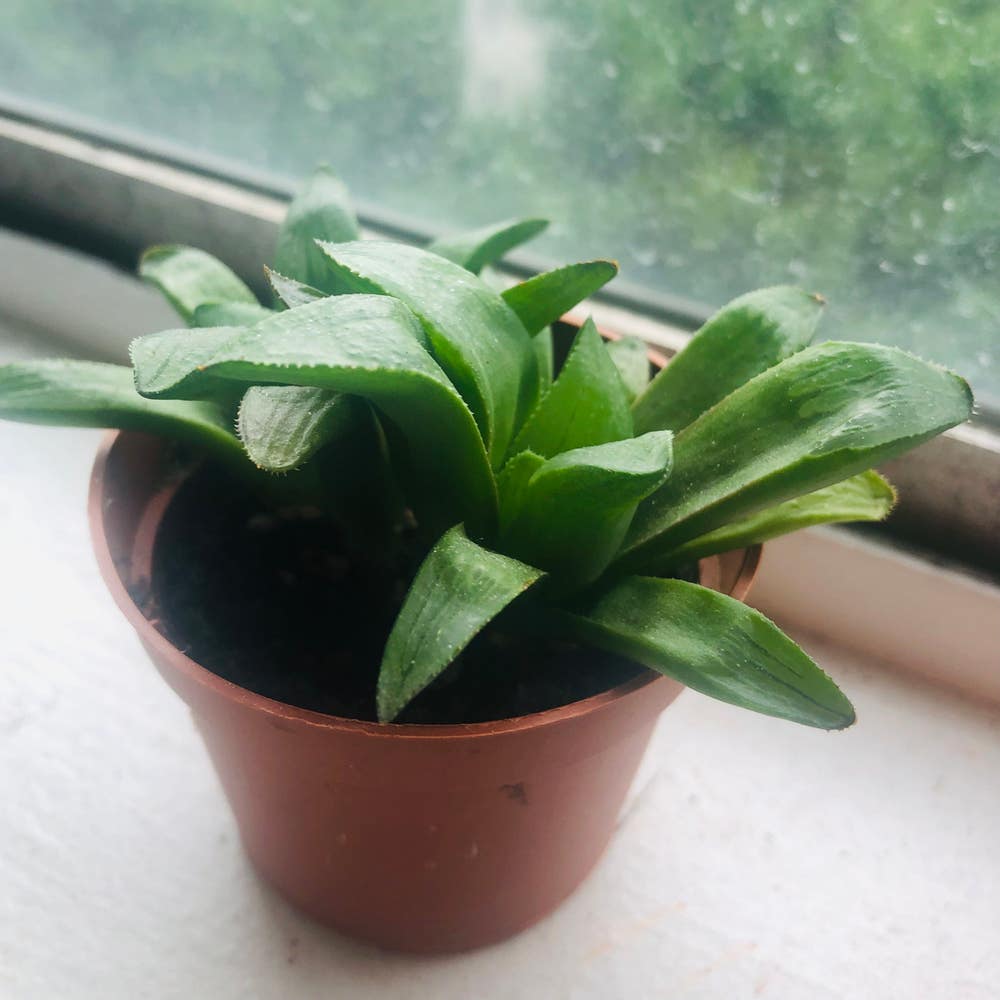
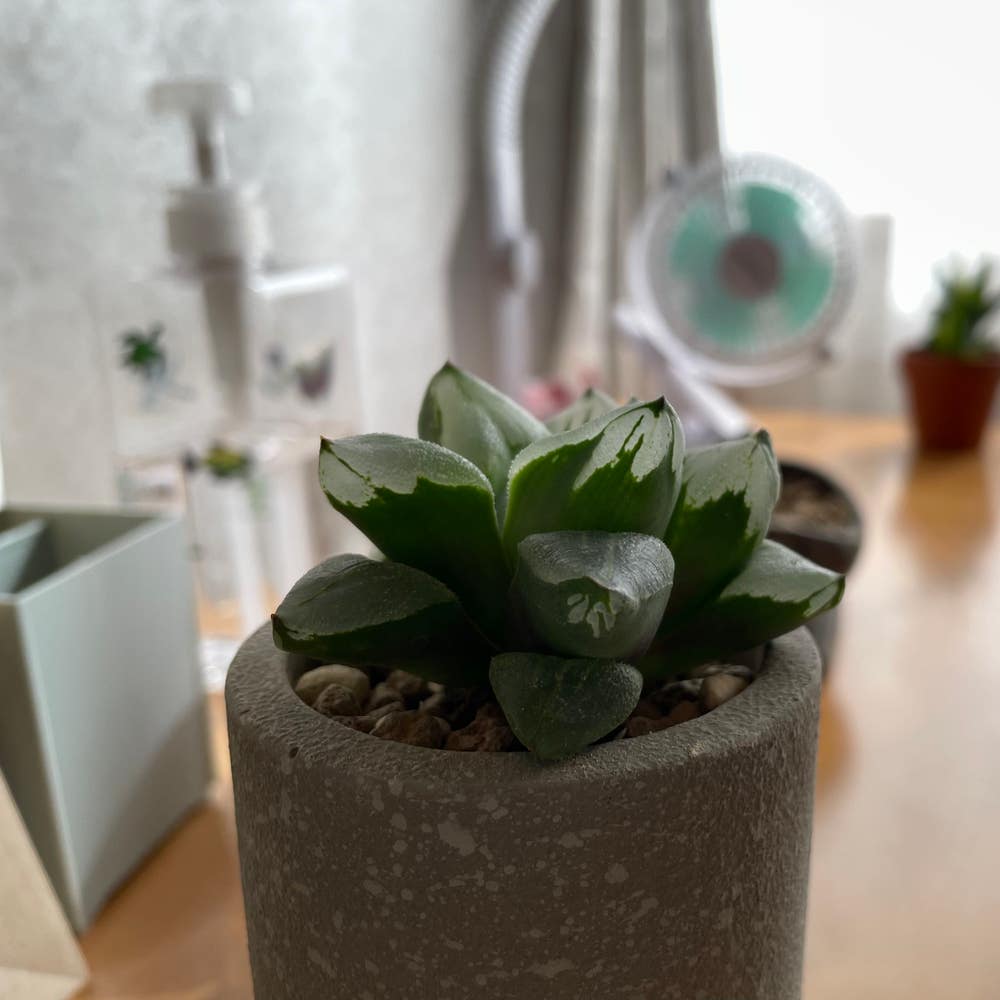
🌵 Where Can Pygmy Haworthia Grow? Zones 9a-11b
Haworthia pygmaea
By the Greg Editorial Team
Oct 01, 2024•4 min read
This article was created with the help of AI so we can cover more plants for you. May contain errors. See one? Report it here.
Unlock the secrets to thriving Pygmy Haworthia 🌵 by mastering temperature tolerance and microclimates for your garden!
- 🌞 Pygmy Haworthia thrives in USDA zones 9a-11b, ideal for warm climates.
- ❄️ Brief cold spells tolerated, but avoid prolonged frost for healthy growth.
- 🌱 Well-draining soil and bright, indirect sunlight are essential for thriving plants.
Temperature Tolerance of Pygmy Haworthia
❄️ Cold Tolerance Specifics
Pygmy Haworthia can handle brief cold spells, making it somewhat resilient to lower temperatures. However, prolonged frost can severely damage the plant, so it's crucial to monitor conditions closely.
For optimal growth, aim for temperatures above 30°F (-1°C). Keeping them in this range will ensure they thrive without the risk of frostbite.
☀️ Heat Tolerance Specifics
This succulent prefers warm, dry conditions, flourishing in temperatures that reflect its native habitat. Ideally, Pygmy Haworthia thrives in temperatures between 70°F to 90°F (21°C to 32°C).
Extreme heat can stress the plant, leading to issues like wilting or sunburn. Providing adequate shade during peak sun hours can help maintain its health.
🌡️ Impact of Temperature Extremes on Growth
Temperature fluctuations can significantly impact Pygmy Haworthia's growth. Sudden changes may lead to stress, which manifests as wilting or discoloration.
Being aware of these signs can help you take action before serious damage occurs. Regular monitoring will keep your plant healthy and vibrant.
Ideal Growing Regions for Pygmy Haworthia
🌞 Examples of US States in Zones 9a-11b
Pygmy Haworthia thrives in several warm states across the U.S. Here are the top contenders:
- California
- Arizona
- Texas
- Florida
- Louisiana
These states offer the ideal climate for this resilient succulent, allowing it to flourish with minimal fuss.
🌱 Factors Contributing to Ideal Growing Conditions
The success of Pygmy Haworthia hinges on a few key factors.
- Climate: Warm, dry conditions are essential for optimal growth.
- Soil Type: Well-draining soil prevents root rot and promotes healthy development.
- Sunlight Exposure: Bright, indirect sunlight is crucial; too much direct sun can scorch the leaves.
These elements work together to create a nurturing environment for your Pygmy Haworthia.
🌍 Comparison of Different Regions Within the Suitable Zones
Even within the same state, microclimates can significantly influence growth.
- Temperature Variability: Coastal areas may have milder temperatures compared to inland regions.
- Humidity Differences: Some areas might experience higher humidity, which can affect the plant's health.
Understanding these regional differences can help you choose the best spot for your Pygmy Haworthia, ensuring it thrives in its environment.
As you explore these ideal growing regions, consider how microclimates can further enhance your plant's growth potential.
Microclimates and Their Impact
🌍 Definition of Microclimates
Microclimates are localized climate zones that differ from the surrounding area. They can be influenced by various factors, including elevation, proximity to water, and urban development.
🌱 How Microclimates Can Extend Growing Range
Microclimates can significantly expand the growing range of Pygmy Haworthia, allowing it to thrive outside its typical zones. Urban settings or sheltered areas often create favorable conditions that support this resilient plant.
🏖️ Examples of Microclimates That Benefit Pygmy Haworthia
Certain locations exemplify how microclimates enhance the growth of Pygmy Haworthia.
- Coastal Areas: These regions often have moderated temperatures, protecting plants from extreme heat and cold.
- South-Facing Slopes: These slopes receive maximum sunlight, providing the warmth and light that Pygmy Haworthia loves.
Understanding microclimates can empower gardeners to cultivate Pygmy Haworthia successfully, even in less-than-ideal conditions. This knowledge opens up new possibilities for plant enthusiasts eager to explore diverse growing environments.
As we delve deeper into the state-level suitability analysis, we’ll uncover more about where Pygmy Haworthia can flourish across the United States.
State-Level Suitability Analysis
🌞 List of US States Suitable for Pygmy Haworthia
Pygmy Haworthia thrives in specific regions, particularly in the warmer climate zones of 9a to 11b. Here’s a detailed list of states where this resilient succulent can flourish:
- California
- Arizona
- Texas
- Florida
- Louisiana
- New Mexico
- Hawaii
These states provide the ideal conditions for Pygmy Haworthia, ensuring it receives the warmth and light it craves.
❄️ List of US States Not Suitable for Pygmy Haworthia
Conversely, some states fall outside the suitable zones for Pygmy Haworthia. Here are the states where this plant struggles to survive:
- Alaska
- North Dakota
- Minnesota
- Maine
- Vermont
These regions typically experience colder temperatures and harsher winters, making them unsuitable for this succulent.
🌡️ Reasons for Suitability or Unsuitability Based on Climate Factors
The suitability of states for Pygmy Haworthia largely hinges on climate factors.
Temperature Extremes: States in zones 9a to 11b generally enjoy milder winters and warm summers. In contrast, states like Alaska and North Dakota face severe cold, which can damage or kill the plant.
Frost Occurrences: Frequent frost in northern states can be detrimental. Pygmy Haworthia can tolerate brief cold spells but not prolonged frost.
Seasonal Changes: States with stable, warm climates allow for consistent growth. Those with harsh seasonal changes can disrupt the plant's development.
Understanding these factors helps gardeners select the best locations for cultivating Pygmy Haworthia, ensuring a thriving and vibrant plant.
As we explore further, let’s dive into the unique microclimates that can enhance the growing potential of Pygmy Haworthia, even in less-than-ideal conditions.
⚠️ Safety First
This content is for general information and may contain errors, omissions, or outdated details. It is not medical, veterinary advice, or an endorsement of therapeutic claims.
Always consult a qualified healthcare professional before using any plant as food, medicine, or supplement.
Never eat any plant (or feed one to pets) without confirming its identity with at least two trusted sources.
If you suspect poisoning, call Poison Control (800) 222-1222, the Pet Poison Helpline (800) 213-6680, or your local emergency service immediately.
Spotted an error? Please report it here.
Grow your Pygmy Haworthia thrivingly 🌱 by using Greg's tailored care reminders to navigate local climates and provide optimal conditions for success!