Why Pygmy Haworthia Is A Perennial Plant 🌵
Haworthia pygmaea
By the Greg Editorial Team
Oct 01, 2024•4 min read
This article was created with the help of AI so we can cover more plants for you. May contain errors. See one? Report it here.
Unlock the secret to a thriving garden with resilient Pygmy Haworthia—your low-maintenance perennial wonder! 🌱
- 🌱 Pygmy Haworthia thrives for years, making it a resilient perennial choice for gardens.
- 💧 Efficient water storage in its leaves allows survival in arid conditions with low maintenance.
- 🌼 Unique blooms in late summer enhance garden aesthetics, adding vibrant appeal effortlessly.
Characteristics of Pygmy Haworthia as a Perennial
Multi-Year Lifecycle 🌱
Pygmy Haworthia thrives as a perennial, showcasing a fascinating multi-year lifecycle. It progresses through distinct stages: germination, growth, flowering, and dormancy, allowing it to flourish year after year.
In contrast to annual and biennial plants, which complete their life cycles in one or two years, respectively, Pygmy Haworthia continues to grow and adapt over multiple seasons. This longevity makes it a resilient choice for gardeners seeking enduring beauty.
Succulent Characteristics 🍃
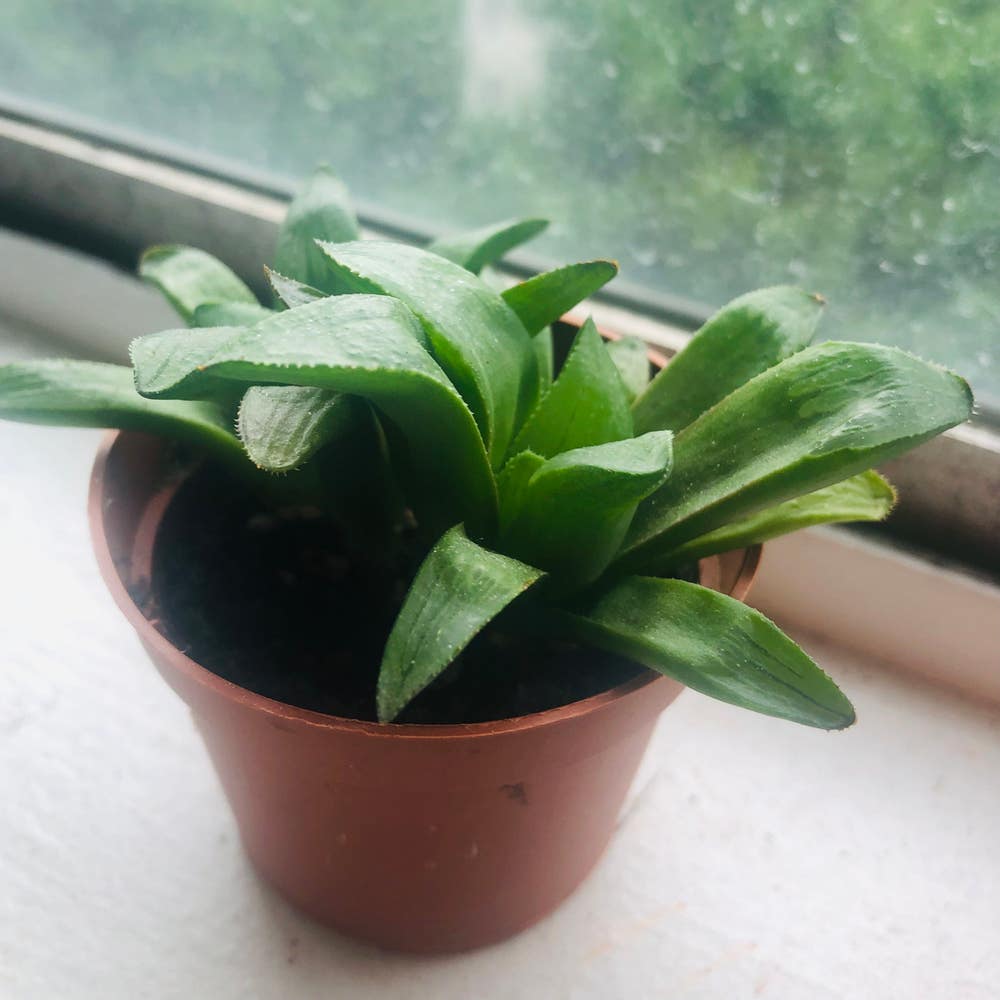
One of the standout features of Pygmy Haworthia is its thick, fleshy leaves, designed for efficient water storage. These adaptations are crucial for survival in arid conditions, allowing the plant to thrive even when water is scarce.
Additionally, its unique structure helps minimize water loss, making it an excellent choice for low-maintenance gardens. The succulent characteristics not only enhance its aesthetic appeal but also contribute to its hardiness in various environments.
With these traits, Pygmy Haworthia stands out as a perennial that offers both beauty and resilience, setting the stage for its growth patterns and seasonal changes.
Growth Patterns and Seasonal Changes
Typical Growth Patterns 🌱
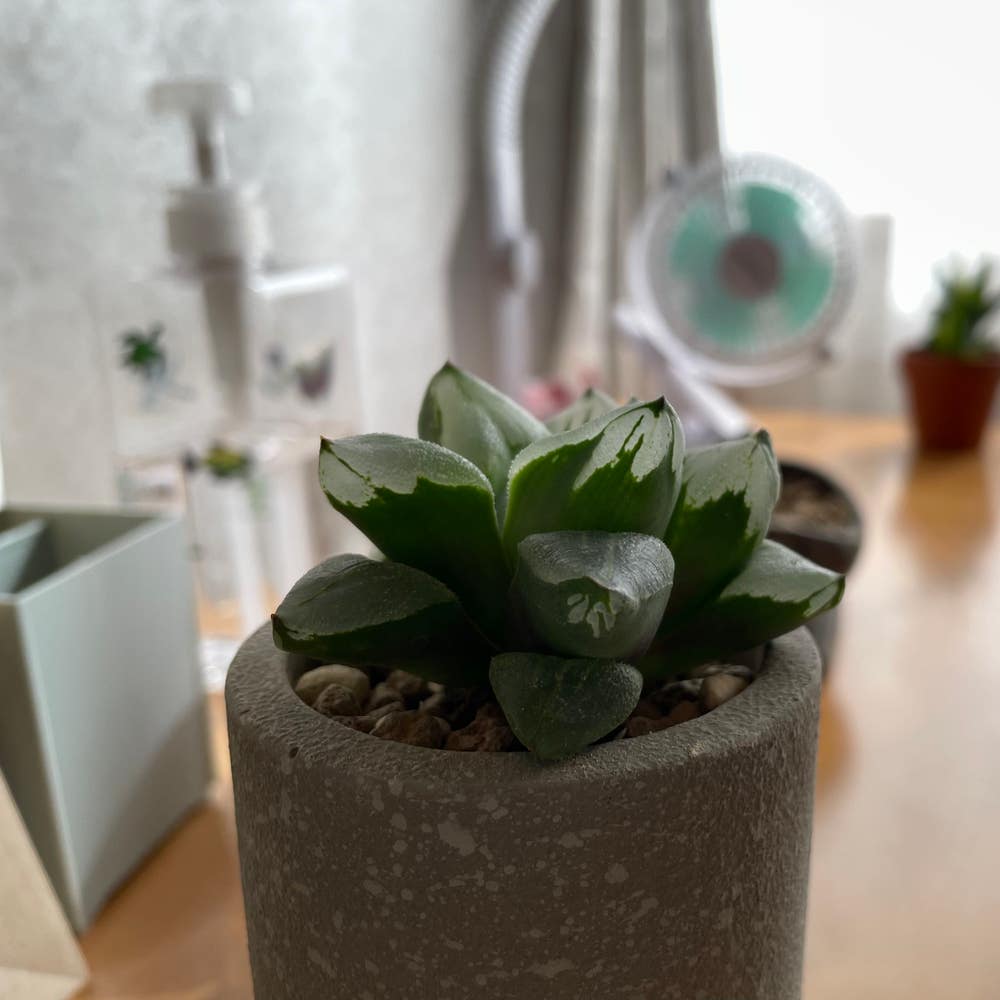
Pygmy Haworthia showcases a fascinating growth pattern characterized by the formation of rosettes. These compact clusters of leaves not only create a striking visual but also optimize space and resource use.
As the plant matures, its leaves undergo a remarkable development process. They thicken and expand, enhancing the plant's ability to store water and adapt to its environment.
Seasonal Changes 🌦️
During spring and summer, Pygmy Haworthia experiences vibrant growth spurts. This is the time when it thrives, soaking up sunlight and energy to fuel its development.
In contrast, fall and winter bring a noticeable slowdown in growth. The plant conserves energy, entering a more dormant state as it prepares for the cooler months ahead.
Understanding these growth patterns and seasonal changes can help you provide the best care for your Pygmy Haworthia, ensuring it remains healthy and vibrant throughout the year.
Impact of Perennial Nature
🌸 Effects on Flowering and Lifespan
Pygmy Haworthia typically flowers in late summer, showcasing delicate blooms that add charm to its already appealing structure. This timing aligns with its growth cycle, allowing it to thrive and produce flowers when conditions are optimal.
The average lifespan of Pygmy Haworthia can vary, but many plants live for several years under the right conditions. Factors such as light, water, and temperature can significantly influence their longevity, making care essential for a thriving plant.
Understanding these flowering patterns and lifespan factors helps gardeners appreciate the unique qualities of Pygmy Haworthia. With proper attention, these perennials can become a lasting feature in your garden.
As we explore the next section, we'll delve into the dormancy periods of Pygmy Haworthia and how to care for them during these times.
Dormancy and Care Adjustments
🌙 Dormancy Periods
Pygmy Haworthia experiences dormancy, typically during the colder months. Signs of dormancy include a noticeable slowdown in growth and a change in leaf color, often becoming less vibrant.
This period can last several weeks to a few months, depending on environmental conditions. Understanding these signs helps you adjust care effectively.
💤 Care During Dormancy
During dormancy, watering should be significantly reduced. It's essential to allow the soil to dry out completely between waterings to prevent root rot.
Light exposure is also crucial; place your Pygmy Haworthia in a location with indirect sunlight. This balance helps maintain its health while it conserves energy for the growing season ahead.
By recognizing dormancy and adjusting care, you can ensure your Pygmy Haworthia thrives year after year. Next, let’s explore how to maximize the benefits of its perennial nature in your garden planning.
Maximizing Benefits in Garden Planning
🌱 Tips for Utilizing Perennial Nature
Pygmy Haworthia is a fantastic addition to any garden, thanks to its perennial nature. Here are some strategic tips to make the most of this resilient plant.
📍 Strategic Placement in Gardens
Consider placing Pygmy Haworthia in well-drained areas where they can thrive. They do well in rock gardens or alongside other succulents, creating a visually appealing arrangement.
🌿 Long-Term Cultivation Strategies
To ensure longevity, focus on soil quality and drainage. Use a cactus mix or sandy soil to prevent root rot, and remember to space them adequately for airflow.
Regularly check for pests and diseases, as these can affect their health over time. By maintaining a watchful eye, you can enjoy their beauty for years to come.
Incorporating Pygmy Haworthia into your garden not only enhances its aesthetic but also provides a low-maintenance option. With the right care, these plants can flourish, offering a vibrant touch to your outdoor space.
As you plan your garden, consider how the unique characteristics of Pygmy Haworthia can complement your overall design. This will set the stage for a thriving garden that evolves beautifully with the seasons.
⚠️ Safety First
This content is for general information and may contain errors, omissions, or outdated details. It is not medical, veterinary advice, or an endorsement of therapeutic claims.
Always consult a qualified healthcare professional before using any plant as food, medicine, or supplement.
Never eat any plant (or feed one to pets) without confirming its identity with at least two trusted sources.
If you suspect poisoning, call Poison Control (800) 222-1222, the Pet Poison Helpline (800) 213-6680, or your local emergency service immediately.
Spotted an error? Please report it here.
Nurture your Pygmy Haworthia to thrive year after year 🌿 with Greg's customized watering reminders and expert care tips that ensure your plant flourishes through every season!