🌞 My Haworthia pygmaea's Light Requirements
Haworthia pygmaea
By the Greg Editorial Team
Feb 13, 2024•4 min read
This article was created with the help of AI so we can cover more plants for you. May contain errors. See one? Report it here.
Discover how to make your Haworthia pygmaea thrive with perfect lighting—sunshine or grow lights! 🌞🌱
- 4-6 hours of bright, indirect sunlight keeps Haworthia pygmaea thriving.
- 🌿 East/north-facing windows are best for indoor growth; adjust for hemisphere.
- Grow lights mimic natural cycles, set for 12 hours to promote health and blooming.
Soaking Up the Sun: Outdoor Light Perfection
🌞 Finding the Sweet Spot
Haworthia pygmaea thrives in bright, indirect sunlight for about 4 to 6 hours daily. As seasons change, so should your plant's position; winter may call for a sunnier spot, while summer demands more shade.
🛡️ Shelter from the Scorch
Midday sun is your Haworthia's nemesis. To prevent leaf burn, position it under a tree or on an east-facing patio where it can enjoy the morning sun. Use sheer curtains or blinds as a shield when the sun is at its peak.
Basking Indoors: Navigating Indoor Light Needs
💡 Window Wisdom
East or north-facing windows are prime real estate for your Haworthia pygmaea, offering a gentle glow that's just right. If you're in the southern hemisphere, switch that up—south-facing is your goal.
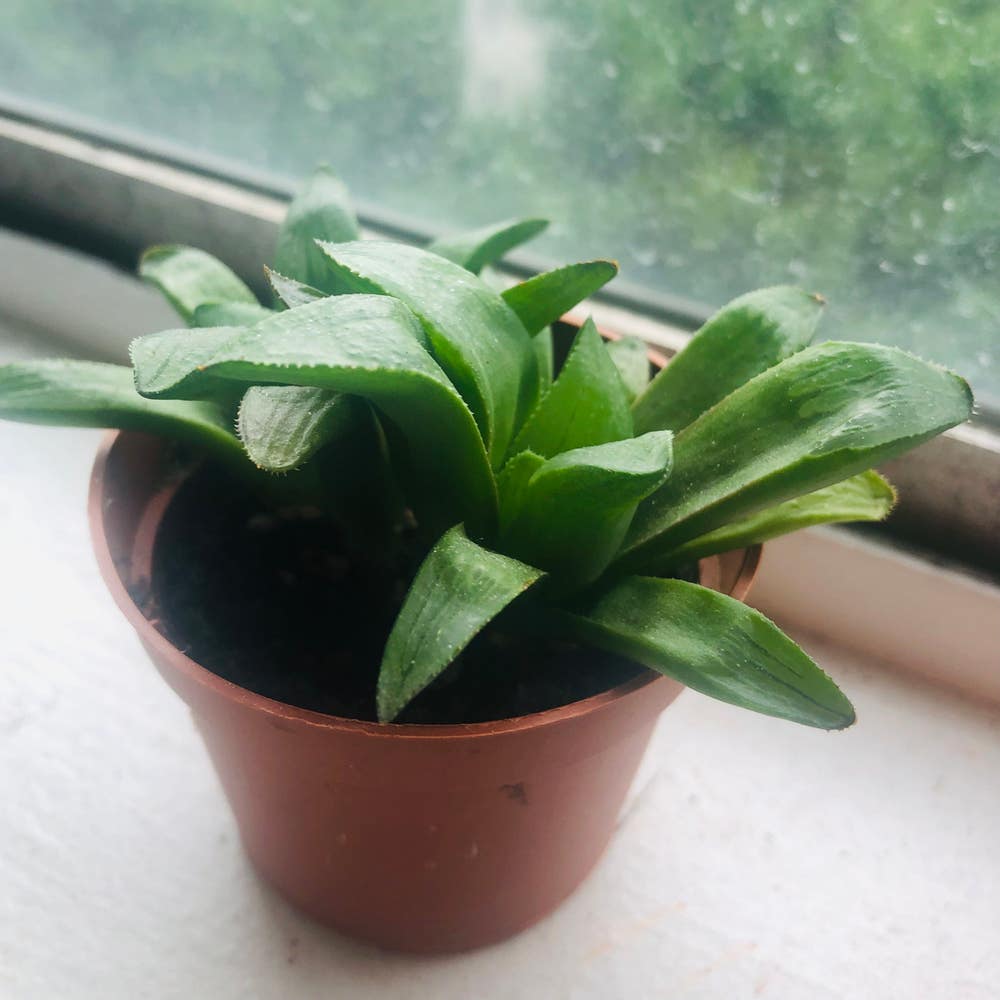
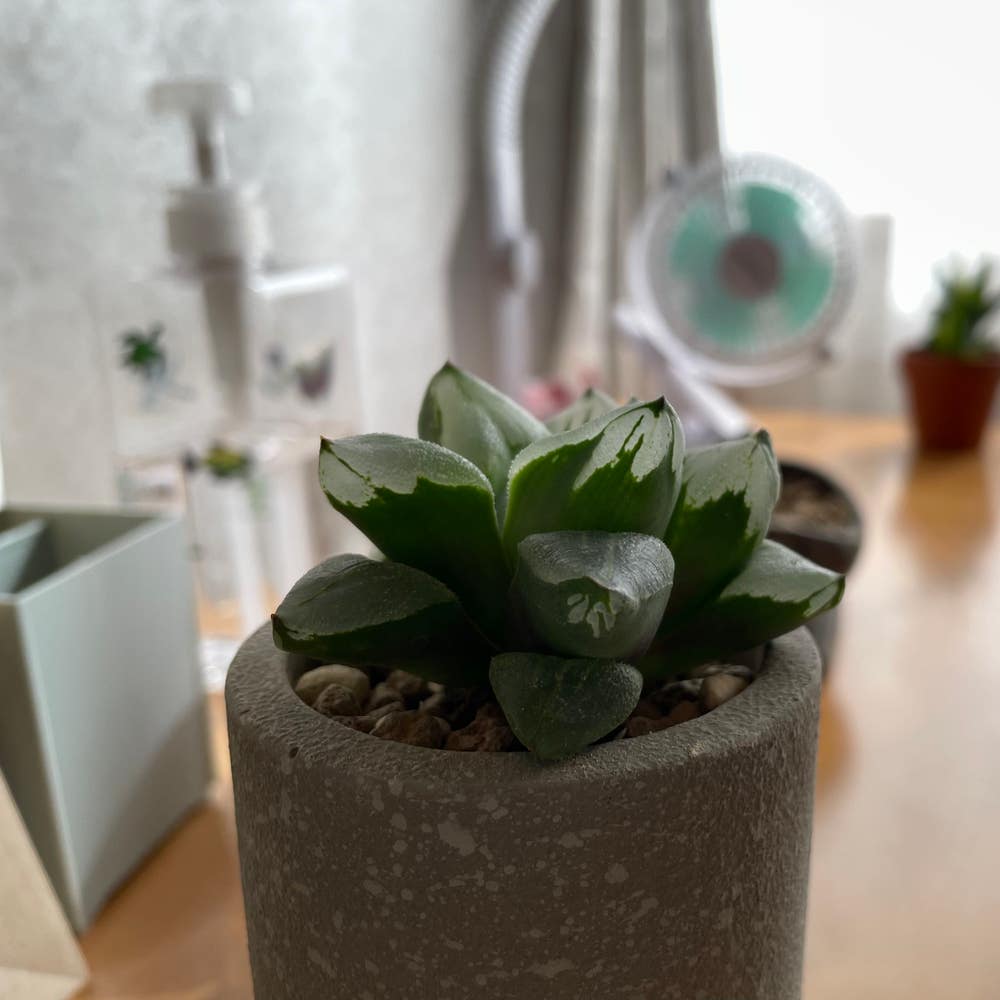
Your plant's pigment will tell tales of its light satisfaction. Pale or leggy? It's craving more lumens. A happy Haworthia sports firm, deep green leaves.
💡 Artificial Sun: Grow Lights to the Rescue
When sunlight is a scarce commodity, grow lights step up to the plate. Fluorescent bulbs are like a cool breeze on a hot day, gentle on your succulent's skin. LEDs? They're the marathon runners, efficient and targeted, a perfect match for your light-hungry plant.
Choosing a grow light is like picking a favorite ice cream flavor—options matter. Consider intensity, spectrum, and duration. Your Haworthia doesn't need a tan, so keep it bright, but not too intense. About 12 hours of artificial light should do the trick, mimicking the natural day cycle. Keep an eye out for stretching or color changes, and adjust accordingly—it's a dance, not a race.
Light and Flower Power: Does Haworthia pygmaea Bloom?
💡 Understanding Light's Role in Flowering
Haworthia pygmaea's flowering is directly influenced by its light environment. These succulents can produce white flowers with greenish veins on stalks up to 12 inches long, typically in spring and summer. The right light exposure is crucial for triggering this process.
To encourage blooming, your Haworthia pygmaea needs a light-triggered signal. It's not just about the duration of light exposure, but also the quality of light. The plant's native habitat in South Africa's sparse grasslands provides a clue to the type of light it craves.
💡 Adjusting Light to Encourage Blooming
Adjusting your Haworthia's light conditions can be akin to flipping a switch that signals "showtime" for blooms. Full sunlight in spring and early summer is essential, but it's a delicate balance. Too much direct light can lead to leaf scorch, while too little can prevent flowering altogether.
To mimic natural conditions, consider the window's direction and the potential use of grow lights. East or west-facing windows often provide the ideal light intensity for Haworthia pygmaea without the harsh midday sun. If natural light is insufficient, a grow light can supplement, especially during the shorter days of winter.
Remember, while Haworthia pygmaea can tolerate low light, enduring darkness is not in its playbook. Keep an eye on growth and health indicators, and be ready to tweak light intensity and duration to get those blooms going.
Grow Light Mastery for Haworthia Pygmaea
💡 Setting the Stage for Growth
Positioning your grow lights just right is crucial for Haworthia pygmaea's well-being. Hang them above the plant to ensure an even distribution of light. Reflectors? They're your best friend for maximizing light efficiency.
Distance matters too. Keep grow lights close enough for effective reach but far enough to prevent heat damage. Typically, a distance of 6-12 inches will do the trick, depending on the light's intensity.
⏰ Scheduling Light Cycles
Mimicking the sun's natural rhythm is non-negotiable. Set your grow lights on a timer for about 12 hours a day to keep your Haworthia's internal clock ticking without a hitch. It's like setting a daily alarm for your plant's photosynthesis party.
👀 Monitoring and Adjusting
Watch your Haworthia like a hawk. Signs of stretching or color loss mean it's time to tweak the setup. Adjust the light intensity or duration until your plant gives you a thumbs up (figuratively, of course).
If your Haworthia starts looking like it's reaching for the stars, it's craving more light. Dial up the intensity or move the lights closer. Conversely, if the leaves are throwing shade by turning yellow, it's time to back off with the light love.
Keep these tips in your back pocket, and your Haworthia pygmaea will be thriving under your watchful eye and well-calibrated grow lights.
⚠️ Safety First
This content is for general information and may contain errors, omissions, or outdated details. It is not medical, veterinary advice, or an endorsement of therapeutic claims.
Always consult a qualified healthcare professional before using any plant as food, medicine, or supplement.
Never eat any plant (or feed one to pets) without confirming its identity with at least two trusted sources.
If you suspect poisoning, call Poison Control (800) 222-1222, the Pet Poison Helpline (800) 213-6680, or your local emergency service immediately.
Spotted an error? Please report it here.
Keep your Haworthia pygmaea thriving 🌱 with Greg's tailored reminders to adjust light exposure, ensuring it gets just the right amount of sun without the stretch or scorch.