🌀 Why Are My Haworthia pygmaea Leaves Curling?
Haworthia pygmaea
By the Greg Editorial Team
Feb 13, 2024•4 min read
This article was created with the help of AI so we can cover more plants for you. May contain errors. See one? Report it here.
Unravel the mystery of curling Haworthia leaves 🌿 and revive your plant's quirky appeal!
- Curling leaves signal stress, needing quick intervention.
- 🌊💧 Water wisely: damp soil, well-draining mix, and moisture meter use.
- 🌞🌡️ Stable environment: indirect light, consistent temperature, and airflow.
Spotting the Curl: Identifying Leaf Curling in Haworthia Pygmaea
🚨 Telltale Signs of Trouble
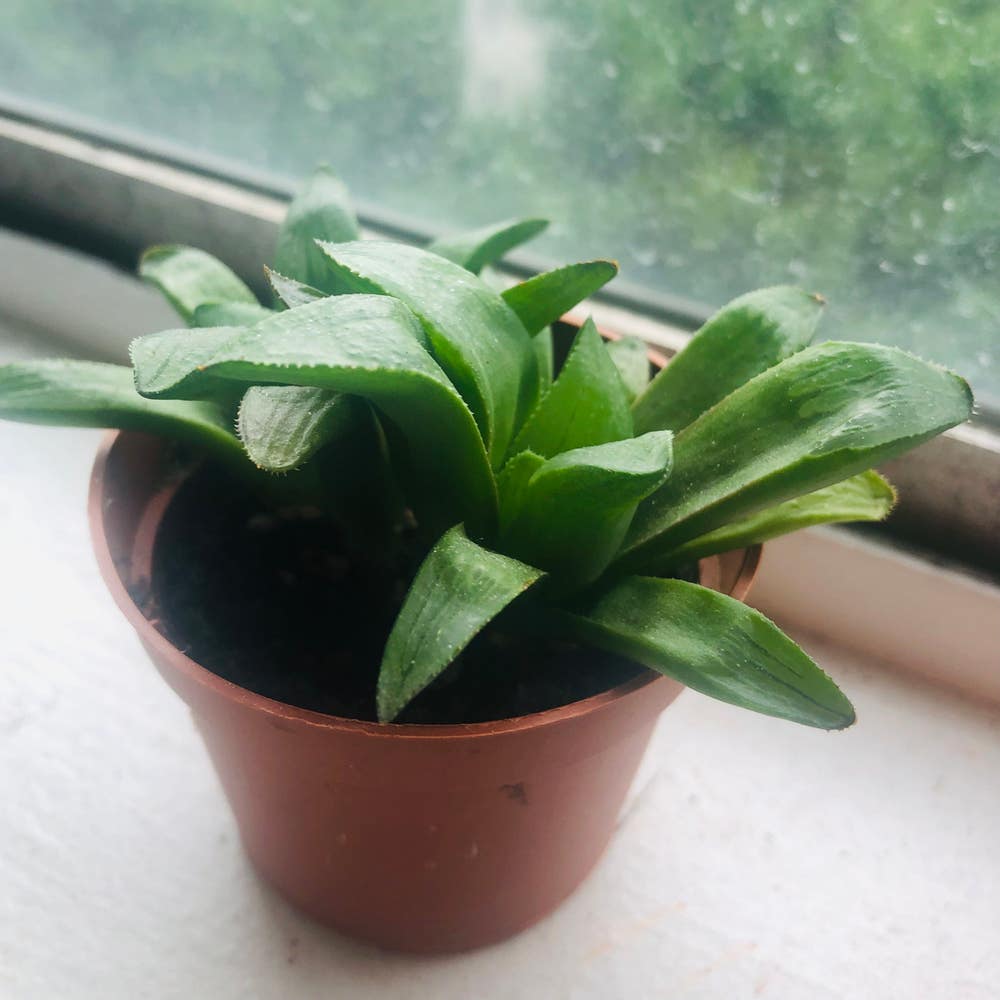
Curling leaves in your Haworthia pygmaea are not just a stylistic choice; they're a distress signal. Look for leaves that twist or roll into shapes that seem like a cry for help. These are the visual cues that should catch your attention and prompt further investigation.
When to Sound the Alarm
It's important to distinguish between the plant's natural leaf structure and signs of serious stress. If you notice a sudden change in the curvature of the leaves or if the curling is accompanied by discoloration or a change in texture, it's time to take action. These symptoms suggest that your plant's environment is less than ideal and may require adjustments.
The Usual Suspects: Common Causes of Leaf Curling
🏜️ Thirsty Roots: The Underwatering Connection
Underwatering is like sending your Haworthia pygmaea on a trek through the Sahara without a water bottle. If the leaves are curling upwards and feel dry, it's a clear SOS for hydration. Ensure the soil is moist to the touch but not drenched.
🌊 Drowning in Excess: The Overwatering Problem
Conversely, overwatering is akin to giving your plant a scuba suit instead of a raincoat. Leaves that curl downwards, feel mushy, or display a yellow tinge are classic signs of too much water. The pot should feel heavy but not like it's anchoring a ship; the soil should be damp, not a swamp.
🌞 Feeling the Burn: Light and Temperature Stress
When it comes to light, think of your Haworthia as a sunbather who forgot their sunscreen. Too much direct sunlight can cause leaves to curl away, trying to escape the harsh rays. On the flip side, insufficient light will have them reaching out for more. Rotate your plant for even exposure to indirect sunlight. Temperature-wise, protect your plant from drafts and heat sources to prevent temperature-induced tantrums.
Nurse Your Plant Back to Health: Fixing the Curl
💧 Fine-Tuning Your Watering Technique
Watering is more rhythm than routine. Your Haworthia pygmaea's soil should feel like a well-squeezed sponge—damp, but not dripping. During sweltering summers, it'll guzzle more, so keep an eye out. When it's cooler, ease up on the hydration. If you're unsure, a soil moisture meter is your secret weapon against over or underwatering.
🌞 Creating a Cozy Habitat
Light and temperature are to your plant what a comfy armchair is to you—essential for relaxation. Too much sun and your Haworthia pygmaea might as well be sunbathing on the equator. Too little, and it's in the plant equivalent of a dark, dreary basement. Aim for bright, indirect light. As for temperature, think temperate—not too hot, not too cold. A steady mid-range climate will keep those leaves uncurled. If you're juggling humidity levels, remember: it's a plant, not a fish—aim for moist air, but skip the rainforest vibes. Use a humidifier or group plants together to up the humidity without going overboard.
Keeping the Leaves Flat: Prevention Strategies
💪 The Right Foundation: Soil and Pot Essentials
Choosing the right home for your Haworthia pygmaea is not just about curb appeal; it's survival. A well-draining soil mix is your plant's best defense against root rot. Think of adding perlite or sand as creating a breathable space for roots to thrive. When it comes to pots, drainage holes are your best friend, and terra cotta is the cool kid that helps soil dry out faster than plastic.
🌡️ Stable Surroundings: Environmental Consistency
Consistency is the name of the game to prevent leaf curling. Haworthia pygmaea doesn't appreciate dramatic shifts in its living conditions. Keep temperature and humidity levels steady to avoid stressing out your succulent. Regularly inspect for pests and keep airflow moving; stagnant air invites trouble. Remember, your Haworthia's comfort zone is a stable environment where it can predict the next episode of its life.
⚠️ Safety First
This content is for general information and may contain errors, omissions, or outdated details. It is not medical, veterinary advice, or an endorsement of therapeutic claims.
Always consult a qualified healthcare professional before using any plant as food, medicine, or supplement.
Never eat any plant (or feed one to pets) without confirming its identity with at least two trusted sources.
If you suspect poisoning, call Poison Control (800) 222-1222, the Pet Poison Helpline (800) 213-6680, or your local emergency service immediately.
Spotted an error? Please report it here.
Banish those curling leaves and ensure your Haworthia pygmaea is thriving 🌿 with Greg's tailored watering and light reminders, perfectly balancing your plant's environment!