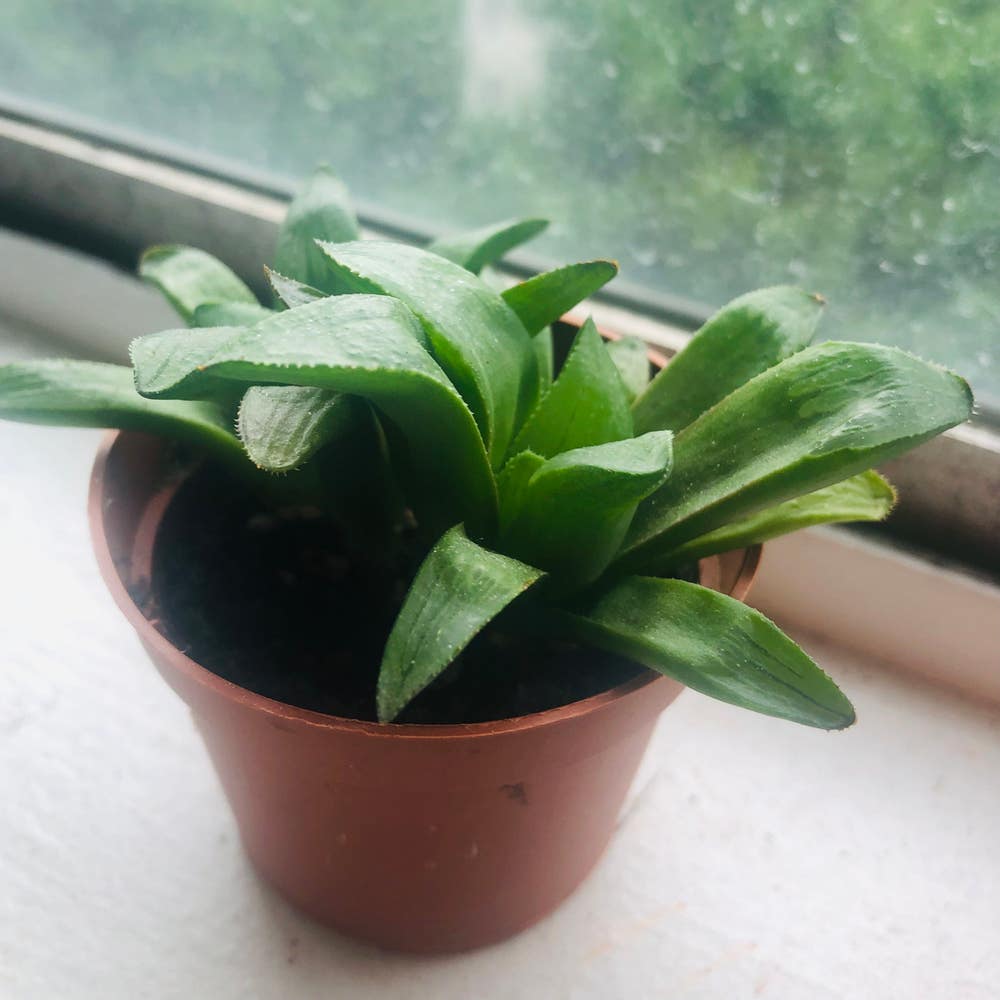
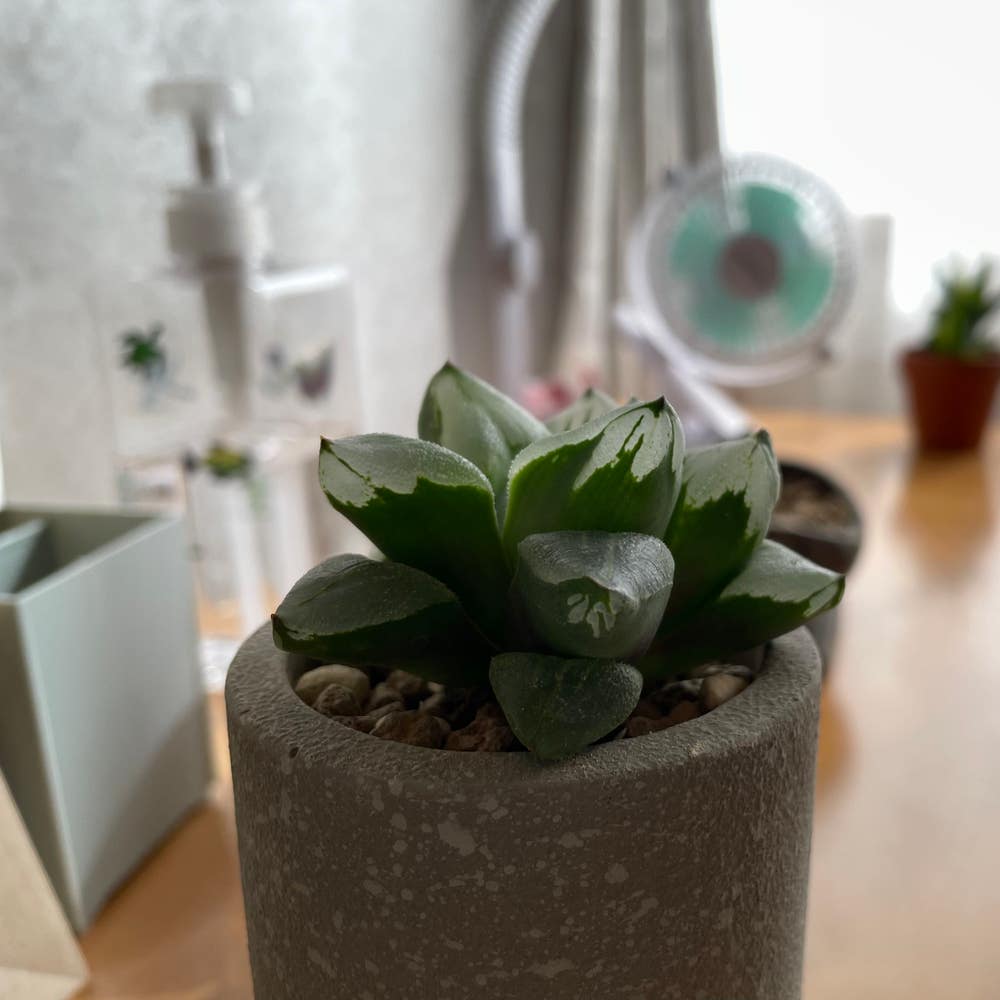
Pygmy Haworthia Wilting? Here's What to Do 💧
Haworthia pygmaea
By the Greg Editorial Team
Oct 01, 2024•6 min read
This article was created with the help of AI so we can cover more plants for you. May contain errors. See one? Report it here.
Transform your wilting Pygmy Haworthia into a thriving beauty 🌿 with these essential care tips and tricks!
- 💧 Wilting indicates water stress; check for underwatering or overwatering issues.
- ☀️ Heat stress causes crispy edges; ensure bright, indirect light for your Pygmy Haworthia.
- 🌱 Regular monitoring and adjustments are key to preventing future wilting and promoting health.
Common Causes of Wilting Leaves
💧 Water Stress
Wilting leaves on your Pygmy Haworthia can often signal water stress. Symptoms include leaves that appear shriveled or limp, indicating they are not getting the moisture they need.
Underwatering is a common culprit, where infrequent watering leads to dehydration. Conversely, overwatering can also cause issues, as excess moisture may lead to root rot, making it crucial to find a balance.
🔥 Heat Stress
Another significant factor is heat stress, which manifests as discolored or crispy edges on the leaves. This can occur due to prolonged exposure to direct sunlight or high ambient temperatures, especially when there's a lack of airflow.
If your plant is in a hot spot, it may struggle to cope, leading to wilting. Adjusting its location can make a world of difference.
🦠 Disease-Related Wilting
Disease-related wilting is less common but still worth noting. Symptoms here include yellowing leaves that may eventually drop off, signaling something more serious.
Fungal infections can arise in overly moist conditions, while pathogenic wilt is unlikely in Pygmy Haworthia but should not be completely dismissed. Keeping an eye on your plant's health is essential for early detection.
Understanding these causes can help you take the right steps to revive your Pygmy Haworthia. Next, let’s dive into diagnosing wilting to pinpoint the exact issue.
Diagnosing Wilting
📝 Step-by-Step Guide
Diagnosing wilting in your Pygmy Haworthia starts with assessing your watering habits. Check the soil moisture levels; if it's too dry or soggy, you've likely found your culprit.
Next, examine the light conditions. Ensure your plant is receiving the right amount of light—too much direct sun can be just as harmful as too little.
Inspect for pests or diseases by looking for signs of fungal growth or insect infestations. A close inspection can save your plant from further damage.
Finally, evaluate the environmental conditions. Check the temperature and humidity levels to ensure they align with your plant's needs.
👀 Signs to Look For
Keep an eye out for color changes in the leaves. Yellowing or browning can indicate stress.
Texture changes are also important. If the leaves feel soft or shriveled, it's a sign that something's off.
Don't ignore leaf drop either. Fallen leaves around the plant can signal underlying issues that need addressing.
By being vigilant and proactive, you can help your Pygmy Haworthia thrive. Next, let’s explore effective solutions for those wilting leaves.
Solutions for Wilting Leaves
🌊 Addressing Water Stress
Water stress is a common issue for Pygmy Haworthia.
For underwatering, start by watering thoroughly until excess drains out.
You can also use the bottom watering technique: place the pot in a shallow dish of water for 30 minutes to ensure the roots absorb moisture.
On the flip side, if overwatering is the culprit, allow the soil to dry out completely before the next watering.
If you suspect root rot, repot the plant in fresh, well-draining soil to give it a fighting chance.
🔥 Addressing Heat Stress
Heat stress can lead to crispy leaves and discoloration.
To combat this, relocate your plant to a spot with bright, indirect light.
Also, ensure proper airflow around the plant to reduce heat buildup, which can be a game changer.
🦠 Addressing Disease-Related Wilting
If wilting is due to disease, swift action is essential.
Start by removing affected leaves to prevent the spread of any potential infection.
If necessary, treat the plant with appropriate fungicides to help it recover.
🌱 Techniques for Reviving a Wilted Plant
Reviving a wilted Pygmy Haworthia requires a few strategic moves.
Use the bottom watering technique again: soak the pot in water for 30 minutes to rehydrate the soil.
Consider temporarily relocating the plant to a cooler, shaded area to help it recover.
Finally, prune any severely wilted or dead leaves. This encourages new growth and helps the plant focus its energy where it’s needed most.
With these solutions, your Pygmy Haworthia can bounce back and thrive.
Next, let’s explore preventive measures to keep your plant healthy and happy.
Preventive Measures
Best Practices 🌱
Regularly checking soil moisture levels is crucial to avoid water stress in your Pygmy Haworthia. Make it a habit to stick your finger into the soil; if it feels dry an inch down, it’s time to water.
Monitoring light exposure is equally important. Adjust the plant's position as needed to ensure it receives bright, indirect light, which helps prevent heat stress.
Environmental Conditions for Optimal Growth 🌡️
For optimal growth, aim for a temperature range of 20°C to 30°C (68°F to 86°F). This sweet spot keeps your plant thriving without the risk of overheating.
Humidity preferences lean towards low to moderate levels. Keeping your Pygmy Haworthia in a drier environment helps it flourish.
Soil requirements are straightforward: use a cactus or succulent mix for optimal drainage. This ensures that excess water doesn’t linger, reducing the risk of root rot.
By following these preventive measures, you can create a nurturing environment for your Pygmy Haworthia. This proactive approach not only enhances its health but also minimizes the chances of wilting in the future.
Next, let’s explore the unique characteristics of this fascinating plant.
Unique Characteristics
Sensitivity to Environmental Changes 🌍
Pygmy Haworthia are particularly sensitive to their surroundings. Overwatering can quickly lead to root rot, while rapid temperature fluctuations can stress the plant.
Careful Monitoring Required 👀
To keep your Pygmy Haworthia thriving, regular checks are essential. This includes observing soil moisture and ensuring stable temperatures.
Optimal Conditions 🌡️
These plants flourish in specific conditions. Aim for a temperature range of 20°C to 30°C (68°F to 86°F) and low to moderate humidity for the best results.
Soil Matters 🪴
Using a well-draining cactus or succulent mix is crucial. This helps prevent water accumulation, which can be detrimental to their health.
Conclusion 📝
Understanding these unique characteristics will help you provide the best care for your Pygmy Haworthia. With the right attention, you can enjoy a vibrant, healthy plant for years to come.
Next, let’s explore when it’s time to seek expert help for your wilting Pygmy Haworthia.
When to Seek Help
🚨 Signs That Require Expert Assistance
If your Pygmy Haworthia shows persistent wilting despite your best efforts, it’s time to consider seeking help. This could indicate deeper issues that simple adjustments won’t fix.
Look out for severe pest infestations or signs of disease spread. If you notice unusual spots, excessive leaf drop, or a rapid decline in health, don’t hesitate to reach out for expert advice.
📚 Resources for Assistance
Local nurseries can be invaluable resources for plant care. They often have knowledgeable staff who can provide tailored advice based on your specific situation.
Additionally, engaging with online communities, like Greg, can connect you with fellow plant enthusiasts. Sharing experiences and solutions can offer fresh perspectives and support in your plant care journey.
By knowing when to seek help, you can ensure your Pygmy Haworthia gets the care it needs to thrive. Next, let’s explore some preventive measures to keep your plant healthy and happy.
⚠️ Safety First
This content is for general information and may contain errors, omissions, or outdated details. It is not medical, veterinary advice, or an endorsement of therapeutic claims.
Always consult a qualified healthcare professional before using any plant as food, medicine, or supplement.
Never eat any plant (or feed one to pets) without confirming its identity with at least two trusted sources.
If you suspect poisoning, call Poison Control (800) 222-1222, the Pet Poison Helpline (800) 213-6680, or your local emergency service immediately.
Spotted an error? Please report it here.
Revive your wilting Pygmy Haworthia and keep it thriving 🌱 with Greg's tailored watering reminders and moisture checks, ensuring it gets the care it needs to flourish!