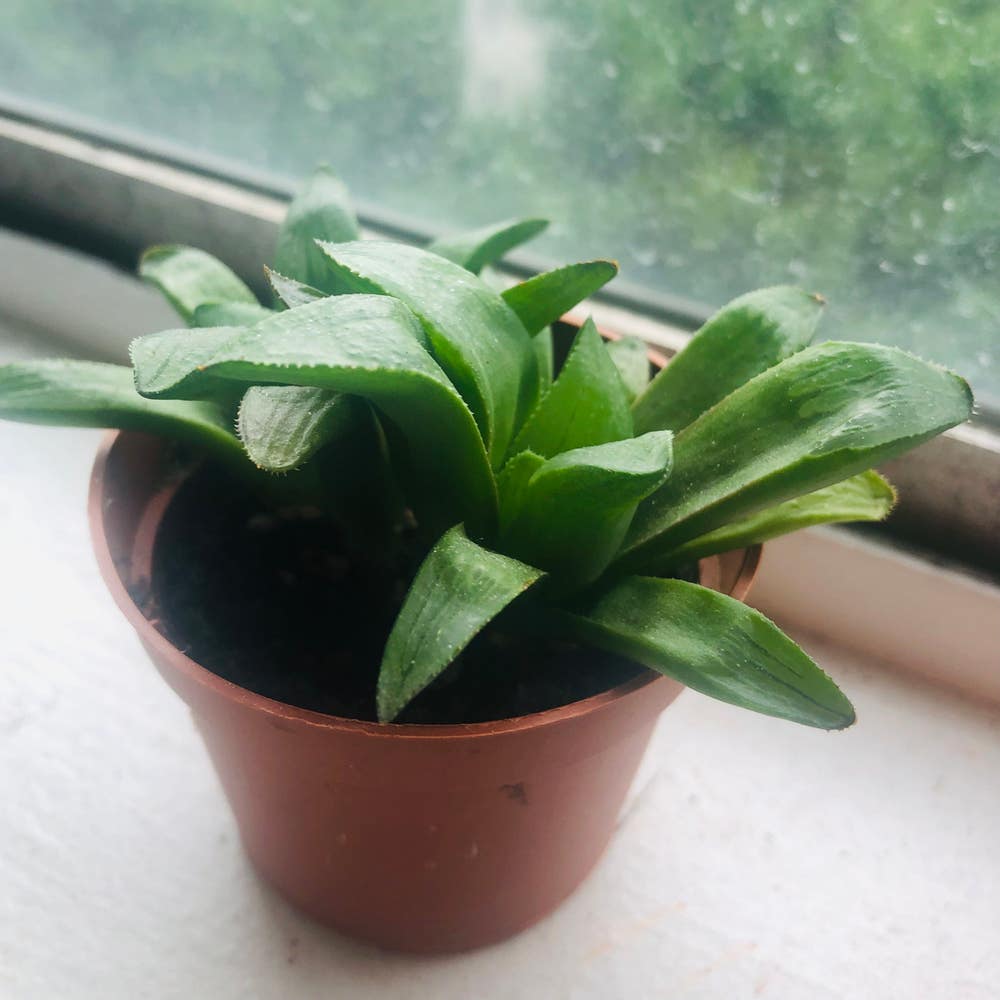
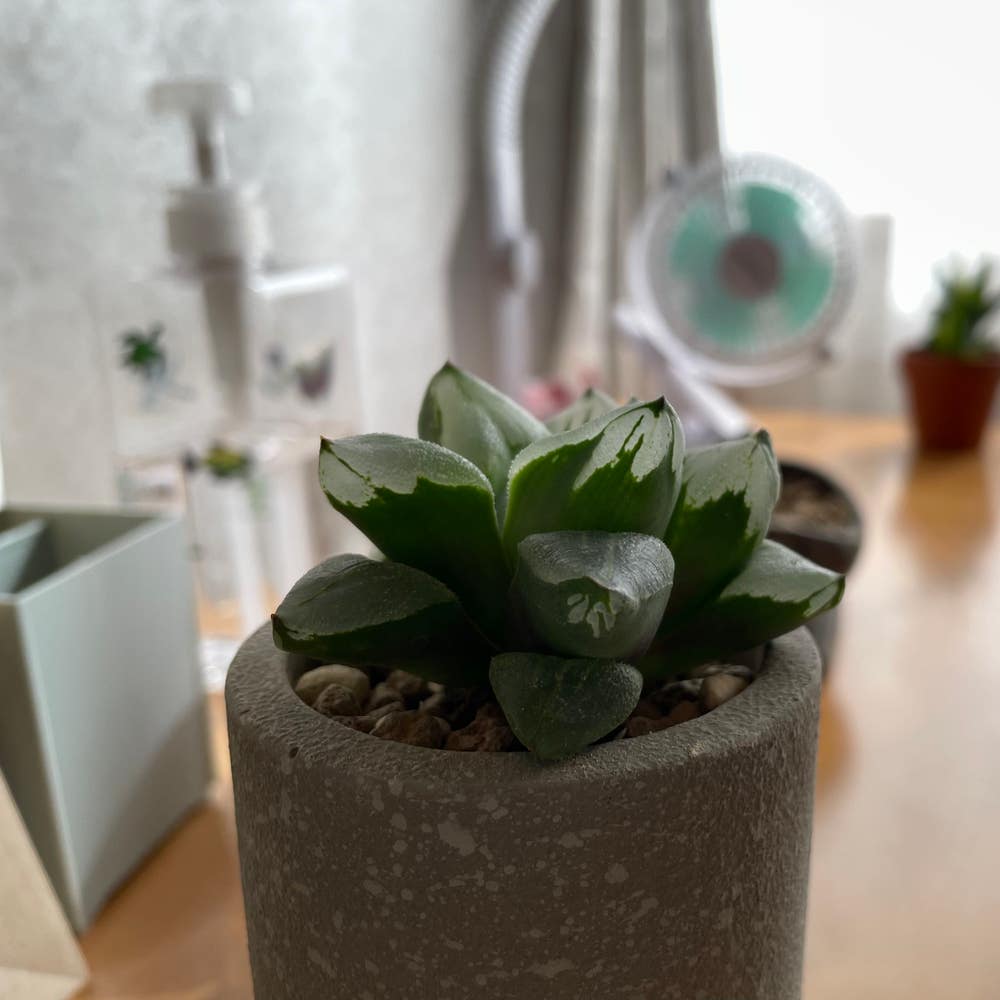
What Are The Bugs on My Haworthia pygmaea? 🐛
Haworthia pygmaea
By the Greg Editorial Team
Feb 13, 2024•3 min read
This article was created with the help of AI so we can cover more plants for you. May contain errors. See one? Report it here.
Spot bugs on your Haworthia? 🐛 Learn to evict these tiny pests for a thriving plant! 🌿
- Combat pests with neem oil, alcohol, or soap depending on the bug.
- Regular inspections and quarantine prevent pest infestations.
- Proper watering and airflow keep your Haworthia healthy.
Meet the Unwanted Guests: Common Pests on Haworthia pygmaea
🕷️ Spider Mites: The Sneaky Sap-Suckers
Spider mites are tiny but terrible, often going unnoticed until their fine webbing and leaf stippling give them away. To combat these pests, neem oil and increasing humidity can be effective deterrents.
🦟 Scale: The Sticky Freeloaders
Scale insects disguise themselves as harmless bumps, but upon closer inspection, reveal a waxy, parasitic existence. For removal, alcohol swabs work well, or you can opt for a more comprehensive approach using horticultural oil.
🦟 Fungus Gnats: More Than Just Annoying Flies
Fungus gnats signal overwatering with their soil-surface dances. They stress out your Haworthia, but you can stress them right back with soil moisture control and strategically placed traps.
🐛 Mealybugs: The White Cottony Clingers
Mealybugs leave fluffy white deposits, making your Haworthia look like it's hosting a tiny snowstorm. Fight back with a mix of alcohol, soap, and oil treatments to send these pests packing.
🦗 Aphids and Thrips: The Less Frequent Invaders
Aphids and thrips are the party crashers you didn't invite, leaving behind sticky leaves and distorted growth. Specific strategies, including insecticidal soap or neem oil, can help keep these occasional pests in check.
Fortifying Your Haworthia: Prevention is Key
🌡️ Regular Plant Check-ups
Routine inspections are like personal health check-ups for your Haworthia pygmaea. Look for early signs of distress such as unusual leaf textures or discoloration. Catching problems early can mean the difference between a quick fix and a full-blown plant crisis.
🚧 Quarantine for Newcomers
New plants could be Trojan horses for pests. Isolate them before introducing to your plant family. Think of it as a bouncer checking IDs before anyone joins the party.
💨 Airflow and Watering Wisdom
Air circulation is crucial; stagnant air is a no-go zone for your Haworthia. Prune strategically to keep the air moving. When watering, channel your inner Goldilocks—too much and you're inviting root rot, too little and your plant's thirst isn't quenched. Use pots with drainage and water only when the soil is dry to avoid the dreaded swampy conditions.
When Your Plant is Thriving: Signs of a Healthy Haworthia pygmaea
🌿 Robust Foliage
Glossy leaves are your first clue. A healthy Haworthia pygmaea sports firm, vibrant leaves that stand at attention. They're the plant equivalent of a well-toned muscle, minus the flex.
📐 Clear Growth Patterns
New growth should be uniform and symmetrical. It's like the plant is following a blueprint to perfection, and when it does, you know you're on the right track.
🚫 Absence of Pests
No webbing, no sticky residue, no cottony clusters. It's not just about what you see; it's about what you don't. A pest-free plant is a happy plant.
🌱 Strong Roots
When you water, take a peek. Healthy roots are pale and robust, not like those sad, brown strings that scream "root rot!"
💧 Happy Hydration
Leaves should be plump but not swollen. It's a fine line between well-watered and waterlogged, and your Haworthia walks it like a runway model.
💐 Flower Power
If you're lucky, you'll see slender stalks topped with white, green-veined flowers. It's the plant's way of giving you a high-five.
Remember, your Haworthia pygmaea doesn't need coddling, just a bit of savvy care. Keep it up, and your succulent will be the envy of plant parents everywhere.
⚠️ Safety First
This content is for general information and may contain errors, omissions, or outdated details. It is not medical, veterinary advice, or an endorsement of therapeutic claims.
Always consult a qualified healthcare professional before using any plant as food, medicine, or supplement.
Never eat any plant (or feed one to pets) without confirming its identity with at least two trusted sources.
If you suspect poisoning, call Poison Control (800) 222-1222, the Pet Poison Helpline (800) 213-6680, or your local emergency service immediately.
Spotted an error? Please report it here.
Eradicate pests and ensure your Haworthia stays healthy and vibrant 🌿 with Greg's personalized care plans, including timely pest inspections and optimal watering reminders.