Pygmy Haworthia: Not an Annual 🌵
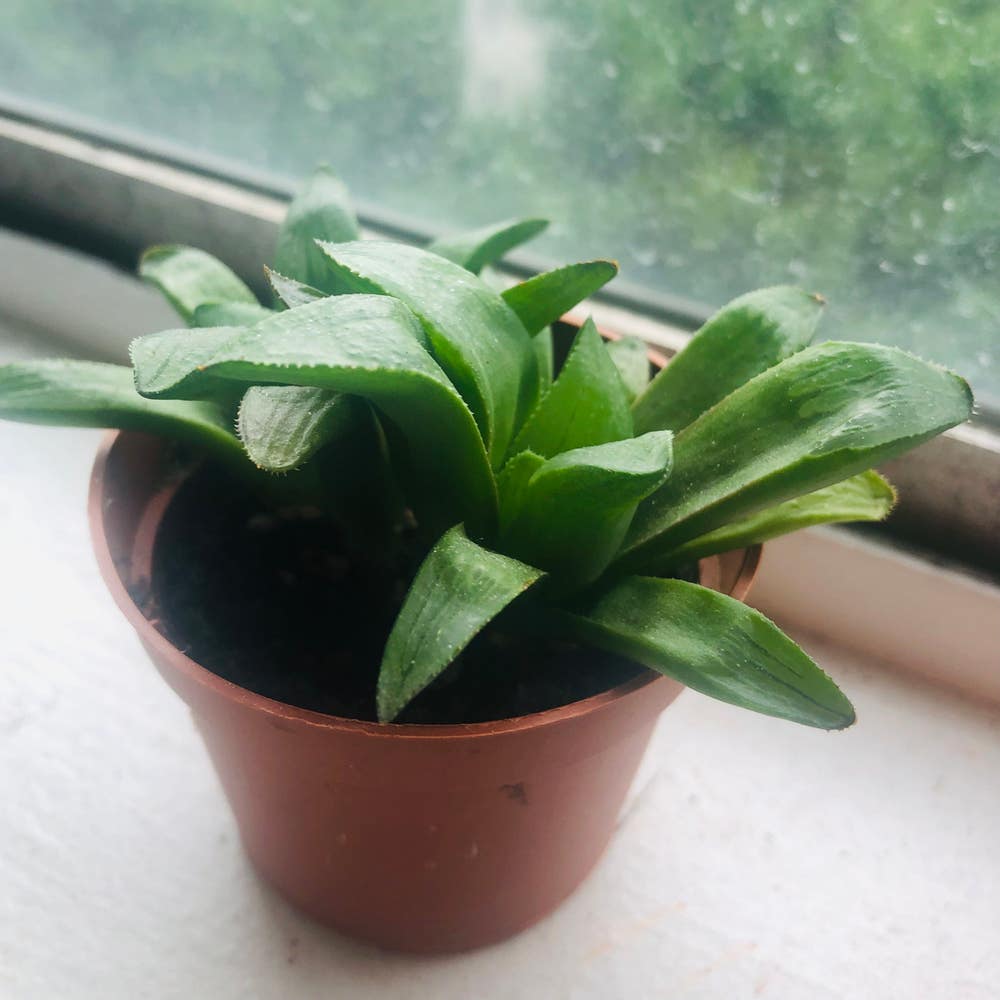
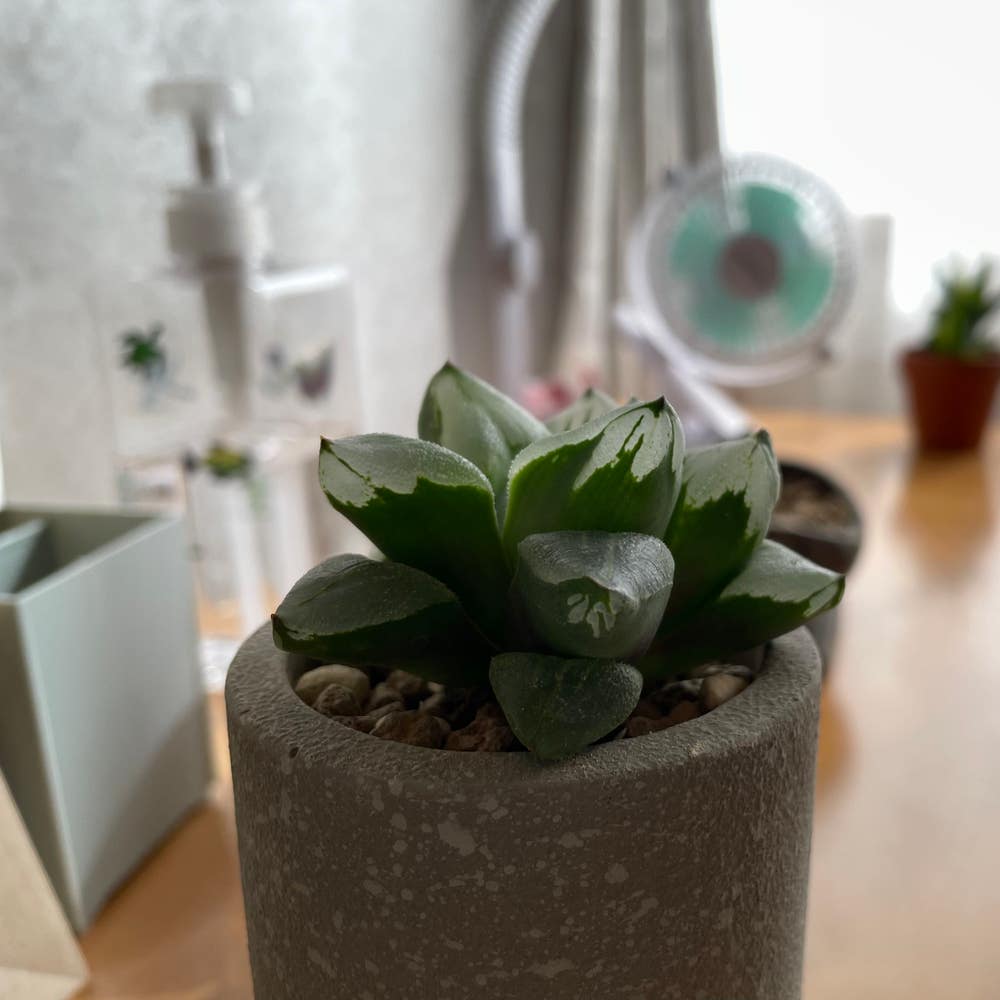
Haworthia pygmaea
By the Greg Editorial Team
Oct 01, 2024•3 min read
This article was created with the help of AI so we can cover more plants for you. May contain errors. See one? Report it here.
Cultivate resilient Pygmy Haworthia 🌱, a perennial beauty that thrives in any garden and stands the test of time!
- 🌱 Pygmy Haworthia is a perennial, thriving for decades with minimal care.
- 💧 Its thick leaves retain water, making it drought-resistant and low-maintenance.
- 🌼 Regular blooms and offsets enhance its charm and support natural propagation.
Pygmy Haworthia as a Perennial
🌱 Genetic Characteristics
Pygmy Haworthia showcases a unique chromosomal structure that enhances its longevity. This adaptation allows the plant to thrive in various environments, making it resilient against stressors like drought and extreme temperatures.
The genetic traits of Pygmy Haworthia contribute significantly to its survival. These traits enable the plant to withstand environmental challenges, ensuring it remains a perennial favorite among succulent enthusiasts.
💧 Physiological Traits Supporting Perennial Classification
One of the standout features of Pygmy Haworthia is its water retention capabilities. The thick, fleshy leaves store moisture, allowing the plant to endure prolonged dry spells.
Additionally, its slow growth rate plays a crucial role in its longevity. This gradual development not only extends its lifespan but also contributes to its unique aesthetic appeal.
🌿 Long-term Lifecycle and Growth Patterns
Pygmy Haworthia exhibits fascinating growth habits, forming rosettes and offsets over time. This growth pattern not only enhances its visual charm but also allows for natural propagation.
In terms of lifespan, these plants can live for many years, often reaching decades. Their enduring nature makes them a valuable addition to any garden.
🌸 Reproductive Strategies
The flowering cycles of Pygmy Haworthia are noteworthy, as they can produce multiple blooms throughout their life. This continuous flowering not only adds beauty but also supports the plant's reproductive success.
Seed production and dispersal mechanisms are essential for the survival of Pygmy Haworthia. The plant employs various strategies to generate and distribute seeds, ensuring its presence in diverse environments.
🌼 Garden Design Implications
Incorporating Pygmy Haworthia into garden designs offers numerous benefits. Its aesthetic appeal combined with drought resistance makes it an ideal choice for sustainable landscaping.
When planning for long-term growth, consider spacing and arrangement. This thoughtful planning ensures seasonal interest and allows each plant to thrive.
Companion planting with Pygmy Haworthia can enhance garden diversity. Choosing suitable companions not only benefits the plants but also creates a vibrant ecosystem.
⏳ Maximizing Longevity
To manage Pygmy Haworthia effectively, focus on proper watering practices and soil requirements. These simple steps can significantly enhance the plant's health and longevity.
Best practices for care include establishing a fertilization schedule and implementing pest management strategies. These measures ensure your Pygmy Haworthia remains vibrant and thriving.
Seasonal considerations are crucial for optimal care. Adjusting practices based on seasonal changes and preparing for dormancy can make a significant difference in the plant's overall health.
With these insights, you can cultivate a thriving Pygmy Haworthia that not only beautifies your space but also stands the test of time. Next, let’s explore the best practices for care and maintenance to ensure your plant flourishes year-round.
⚠️ Safety First
This content is for general information and may contain errors, omissions, or outdated details. It is not medical, veterinary advice, or an endorsement of therapeutic claims.
Always consult a qualified healthcare professional before using any plant as food, medicine, or supplement.
Never eat any plant (or feed one to pets) without confirming its identity with at least two trusted sources.
If you suspect poisoning, call Poison Control (800) 222-1222, the Pet Poison Helpline (800) 213-6680, or your local emergency service immediately.
Spotted an error? Please report it here.
Nurture your Pygmy Haworthia to thrive for decades 🌿 with Greg's tailored watering alerts and expert care tips that ensure your succulent remains vibrant and resilient!