Pygmy Haworthia Is Not Considered a Weed 🌵
Haworthia pygmaea
By the Greg Editorial Team
Oct 01, 2024•5 min read
This article was created with the help of AI so we can cover more plants for you. May contain errors. See one? Report it here.
Transform your garden with Pygmy Haworthia, a charming non-invasive plant that nurtures local ecosystems! 🌱
- 🌱 Pygmy Haworthia is non-invasive, thriving peacefully alongside other plants in gardens.
- 🌼 This succulent attracts pollinators, enhancing local biodiversity and ecosystem health.
- 🏡 Ideal for small spaces, it grows only up to 4 inches in diameter.
Plant Classification
🌱 Definition of Invasive Species
Invasive species are plants that exhibit certain characteristics, making them problematic in their environments. They typically show rapid growth and spread, displacing native species and negatively impacting local ecosystems.
Key characteristics of invasive plants include:
- Rapid Growth and Spread: They can quickly take over an area, outcompeting local flora.
- Displacement of Native Species: Their aggressive nature often leads to the decline of indigenous plants.
- Negative Impact on Local Ecosystems: This can disrupt food chains and alter habitats.
🌼 Why Pygmy Haworthia is Not Invasive
Pygmy Haworthia stands apart from invasive species due to its unique growth habits. Its slow growth rate and compact form significantly limit its spread, making it a manageable addition to any garden.
This plant coexists peacefully with other plants, never overwhelming them. Unlike invasive species, Pygmy Haworthia does not exhibit aggressive growth patterns, allowing for a balanced garden ecosystem.
In summary, its gentle nature and limited spread make Pygmy Haworthia a delightful choice for gardeners looking to enhance their spaces without the worry of invasiveness.
As we explore its growth habits next, you'll see how these traits contribute to its charm and suitability for various garden designs.
Growth Habits
Typical Growth Patterns in Gardens 🌱
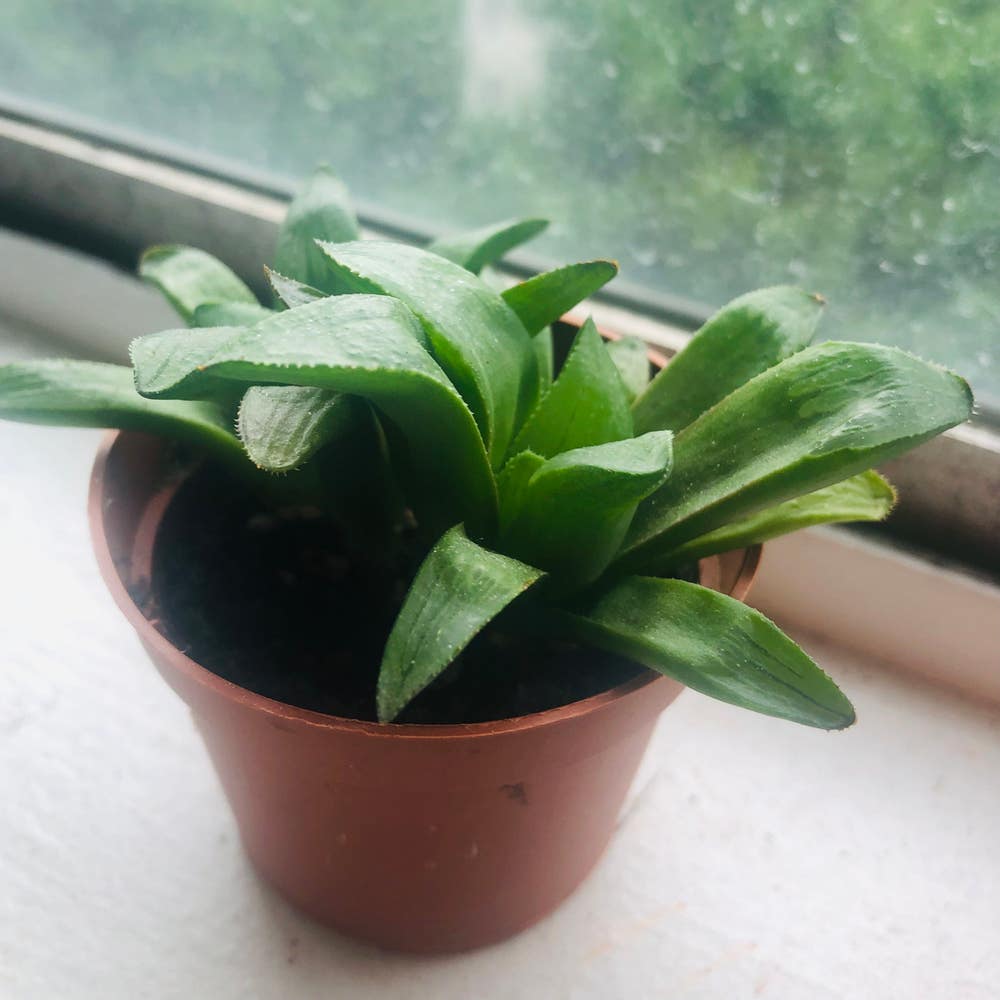
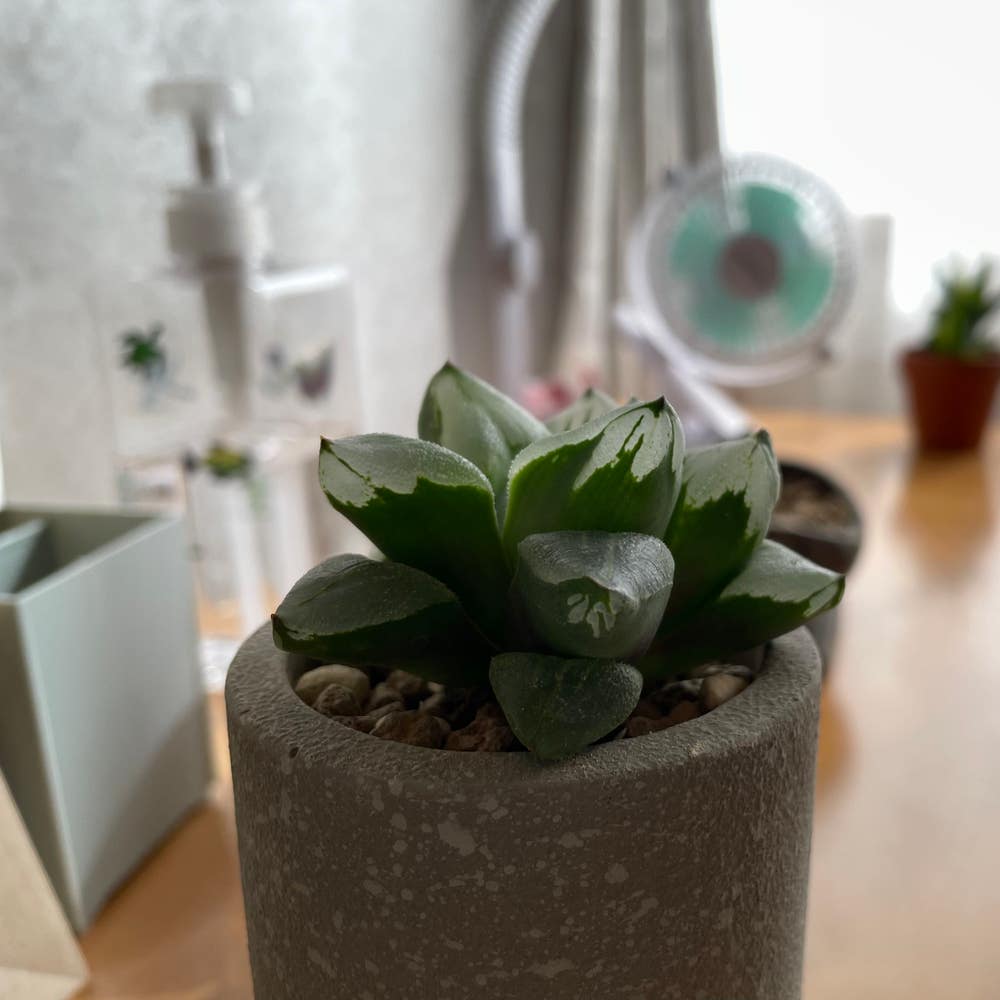
Pygmy Haworthia is a charming little succulent that forms rosettes, typically reaching up to 4 inches in diameter. With a growth rate of about 1-2 inches per year, it thrives best in well-draining soil and requires minimal water.
Natural Limits to Growth and Spread Potential 🚧
This plant's height is limited to just a few inches, making it an excellent choice for ground cover without overwhelming other plants. Its specific needs, like drought tolerance, restrict its spread in non-native environments, ensuring it remains manageable in your garden.
Conclusion
Pygmy Haworthia’s compact growth and specific environmental requirements make it a delightful addition to any garden. Its ability to coexist with other plants without dominating the space is a testament to its non-invasive nature.
Ecological Role
Benefits in Ecosystems 🌍
Pygmy Haworthia plays a vital role in enhancing local ecosystems. By attracting pollinators like bees, it contributes to biodiversity, ensuring a thriving environment for various species.
Additionally, its ground cover helps prevent soil erosion. This is especially important in gardens, where maintaining soil integrity is crucial for plant health.
Positive Interactions with Local Wildlife 🦋
This plant also serves as a habitat for beneficial insects. These insects can help control pests, creating a balanced ecosystem that supports plant growth.
Moreover, Pygmy Haworthia competes minimally with native plants. This coexistence allows for a harmonious environment, where all species can thrive without overwhelming one another.
Incorporating Pygmy Haworthia into your garden not only beautifies your space but also supports local wildlife and promotes ecological balance. As we explore its garden management next, consider how this plant can fit into your landscape design.
Garden Management
Incorporating into Garden Designs 🌿
Pygmy Haworthia shines in various garden settings. It's perfect for rock gardens, container gardening, and as ground cover.
For optimal growth, plant these beauties 6-12 inches apart. This spacing allows them to thrive without crowding each other.
Controlling Growth for Aesthetic Purposes ✂️
To keep your Pygmy Haworthia looking its best, regular pruning is essential. This helps maintain the desired shape and size.
Consider using barriers or edging to define their space. This simple step prevents unwanted spread and keeps your garden tidy.
With these management tips, you can enjoy the beauty of Pygmy Haworthia while ensuring it complements your garden design. Next, let’s explore how this plant interacts positively with local wildlife.
Comparison to Other Plants
🌱 Similar Non-Invasive Plants
When considering non-invasive succulents, Echeveria and Sedum often come to mind. While all three plants are low-maintenance, they differ significantly in growth habits and care needs.
Echeveria tends to grow in rosettes similar to Pygmy Haworthia but can reach larger sizes, often requiring more space. Sedum, on the other hand, can spread quickly and cover ground efficiently, making it a bit more aggressive than our compact friend.
✨ Unique Qualities
Pygmy Haworthia stands out due to its compact size and exceptional drought tolerance. This makes it a versatile choice for various garden designs, from rock gardens to container arrangements.
Its distinctive leaf markings add a unique visual appeal, enhancing the overall aesthetic of any garden. This combination of traits not only makes it an attractive option but also a practical one for gardeners looking to maintain a balanced ecosystem.
In summary, while Pygmy Haworthia shares the spotlight with other non-invasive plants, its unique characteristics truly set it apart. As we explore its ecological role next, you'll see how it contributes positively to its environment.
Legal and Environmental Considerations
🌱 Classifications and Guidelines for Planting
When considering the addition of Pygmy Haworthia to your garden, it's essential to be aware of local regulations regarding non-invasive plants. Many regions have guidelines that promote the use of native and non-invasive species to protect local ecosystems.
Sourcing plants from reputable nurseries is crucial. This ensures you avoid inadvertently introducing invasive species that can disrupt the delicate balance of your garden and surrounding environment.
♻️ Role in Sustainable Gardening Practices
Pygmy Haworthia contributes significantly to sustainable ecosystems, primarily due to its minimal water requirements. This drought-tolerant succulent thrives in conditions that many other plants cannot, making it an excellent choice for eco-friendly gardening.
Moreover, incorporating Pygmy Haworthia enhances garden biodiversity. Its presence supports a balanced ecosystem, allowing various species to coexist harmoniously while reducing the need for excessive maintenance.
In summary, understanding legal classifications and embracing sustainable practices not only benefits your garden but also contributes positively to the environment. As you plan your garden, consider how Pygmy Haworthia can play a role in creating a thriving, eco-conscious space.
With these considerations in mind, let's explore how to effectively incorporate Pygmy Haworthia into your garden designs.
⚠️ Safety First
This content is for general information and may contain errors, omissions, or outdated details. It is not medical, veterinary advice, or an endorsement of therapeutic claims.
Always consult a qualified healthcare professional before using any plant as food, medicine, or supplement.
Never eat any plant (or feed one to pets) without confirming its identity with at least two trusted sources.
If you suspect poisoning, call Poison Control (800) 222-1222, the Pet Poison Helpline (800) 213-6680, or your local emergency service immediately.
Spotted an error? Please report it here.
Discover the charm of Pygmy Haworthia, a low-maintenance gem 🌱 that boosts garden biodiversity, and let Greg provide you with tailored care reminders to keep your plants thriving effortlessly!