Propagating Haworthia pygmaea: Step-by-Step Guide
Haworthia pygmaea
By the Greg Editorial Team
Feb 13, 2024•3 min read
This article was created with the help of AI so we can cover more plants for you. May contain errors. See one? Report it here.
Propagate your own Haworthia pygmaea effortlessly 🌱 with this clear, step-by-step guide to success.
- Offsets need roots to be ready for propagation.
- 🍂 Leaf selection is crucial: plump and unblemished.
- Spring division for overcrowded or stressed plants.
Getting Started with Offsets
🌱 Identifying Offsets
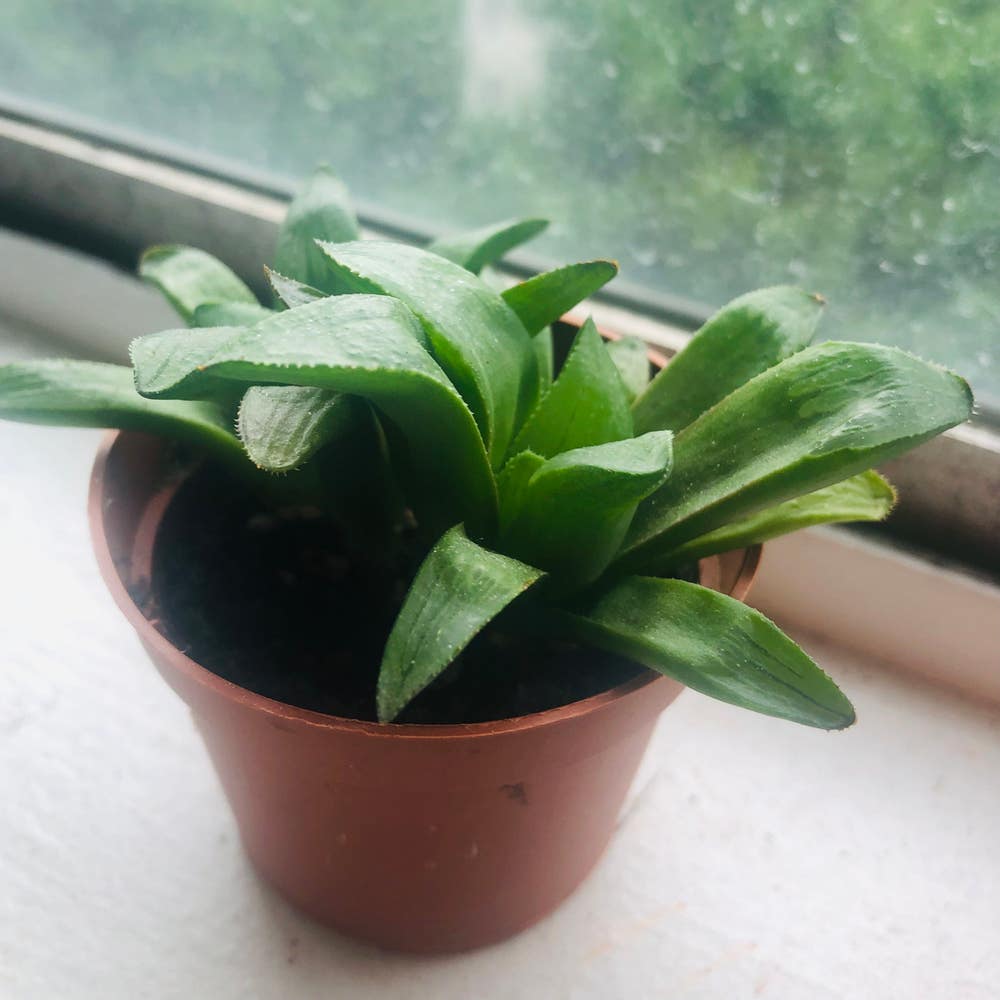
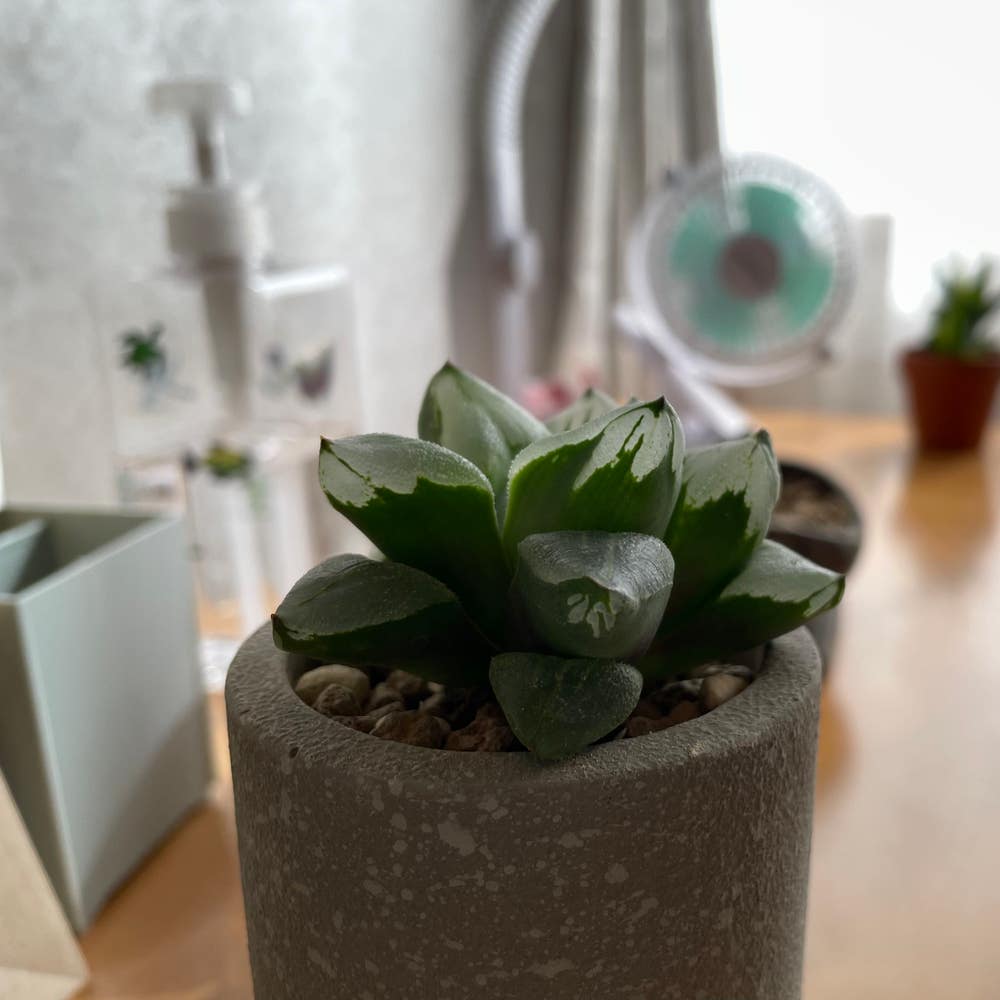
To spot an offset ready for propagation, look for a mini version of the Haworthia pygmaea with its own roots, still connected to the parent. They should be large enough to handle but not fully mature.
✂️ Separating Offsets
Gently wiggle the offset free from the mother plant. If it resists, use sharp, sterilized scissors for a clean cut. Allow the offset to dry for a day in indirect light to prevent rot.
🌱 Planting Offsets
Plant the offset in a well-draining soil mix, ensuring the roots are barely covered. Water sparingly to dodge soggy soil, which is a one-way ticket to rot. Keep the young plants in warm conditions with some shade to avoid sunburn.
Leaf Cutting Propagation: A Delicate Art
🌱 Selecting the Best Leaves
To kick off leaf cutting propagation, choose leaves that are the epitome of succulent health—plump, unblemished, and full of life. These are your propagation all-stars, the ones that stand the best chance at striking roots and flourishing into new plants.
🌿 Prepping and Planting
Once you've got your champion leaves, it's time for a clean break. Twist gently or use a sterile knife to avoid damage. Let them dry out for a day or two; this callous is their armor against rot. Next, prepare a well-draining soil mix, gritty enough to make a cactus swoon. Place your calloused leaves on top, resisting the urge to bury them. Water sparingly—think of it as a precious commodity. Now, play the waiting game and keep an eye out for new growth, the telltale sign of propagation triumph.
Division Propagation: Multiplying Your Haworthia
💡 When to Divide
Spring is the optimal time for division, as Haworthia pygmaea enters a phase of active growth. Look for signs of the plant being overcrowded or stressed, which also warrant division.
🌱 The Division Process
Hydrate your plant a few days before you plan to divide, to minimize root damage. Use a sterile, sharp tool to separate the clusters, ensuring each new section has at least one growth point. Trim away any damaged or old parts that won't contribute to the new plant's growth.
🌿 Planting Divisions
Plant your new divisions in a mix of potting soil, grit, and sand, ensuring adequate drainage. Position them in bright, indirect light and water with the gentleness of a light drizzle. Patience is key; growth may be slow at first, but it will pick up.
Post-Propagation Care: Ensuring Success
💡 Ideal Conditions
Light is crucial for your Haworthia pygmaea's post-propagation success. Place them in a spot that basks in bright, indirect sunlight. Too much direct sun can fry your succulent's delicate leaves, while too little will stunt their growth. Temperature-wise, aim for a cozy 65-75°F (18-24°C). As for humidity, think of it as your plant's invisible support system—aim for a high humidity level, but not so high that you're inviting mold to the party.
🚰 Watering New Propagations
Watering your new Haworthia pygmaea is less about sticking to a schedule and more about reading the soil's mood. It should feel like a damp sponge—moist, but not a soggy mess. Before you water, do the finger test; if the top inch of soil feels dry, it's time to quench your plant's thirst. Remember, overwatering is the fast track to root rot, so ensure your pot has good drainage to avoid waterlogged soil.
⚠️ Safety First
This content is for general information and may contain errors, omissions, or outdated details. It is not medical, veterinary advice, or an endorsement of therapeutic claims.
Always consult a qualified healthcare professional before using any plant as food, medicine, or supplement.
Never eat any plant (or feed one to pets) without confirming its identity with at least two trusted sources.
If you suspect poisoning, call Poison Control (800) 222-1222, the Pet Poison Helpline (800) 213-6680, or your local emergency service immediately.
Spotted an error? Please report it here.
Nurture your newly propagated Haworthia pygmaea 🌱 to perfection with Greg's custom watering reminders, ensuring your offsets and leaf cuttings thrive without the guesswork.