🤒 Why Does My Haworthia pygmaea Have Yellow Leaves?
Haworthia pygmaea
By the Greg Editorial Team
Feb 13, 2024•6 min read
This article was created with the help of AI so we can cover more plants for you. May contain errors. See one? Report it here.
Solve the mystery of your Haworthia's yellow leaves 🍂 and bring back its lush green glow with our expert care tips!
- 🌱 Natural aging vs. care issues: Pale crown leaves often signal problems.
- 💧 Overwatering and underwatering: Both can lead to yellow leaves. Balance is key.
- ☀️🐛 Light and pests matter: Too much sun or pests can cause yellowing. Adjust and inspect.
When Yellow Means Goodbye: Natural Aging
🍂 Spotting the Difference
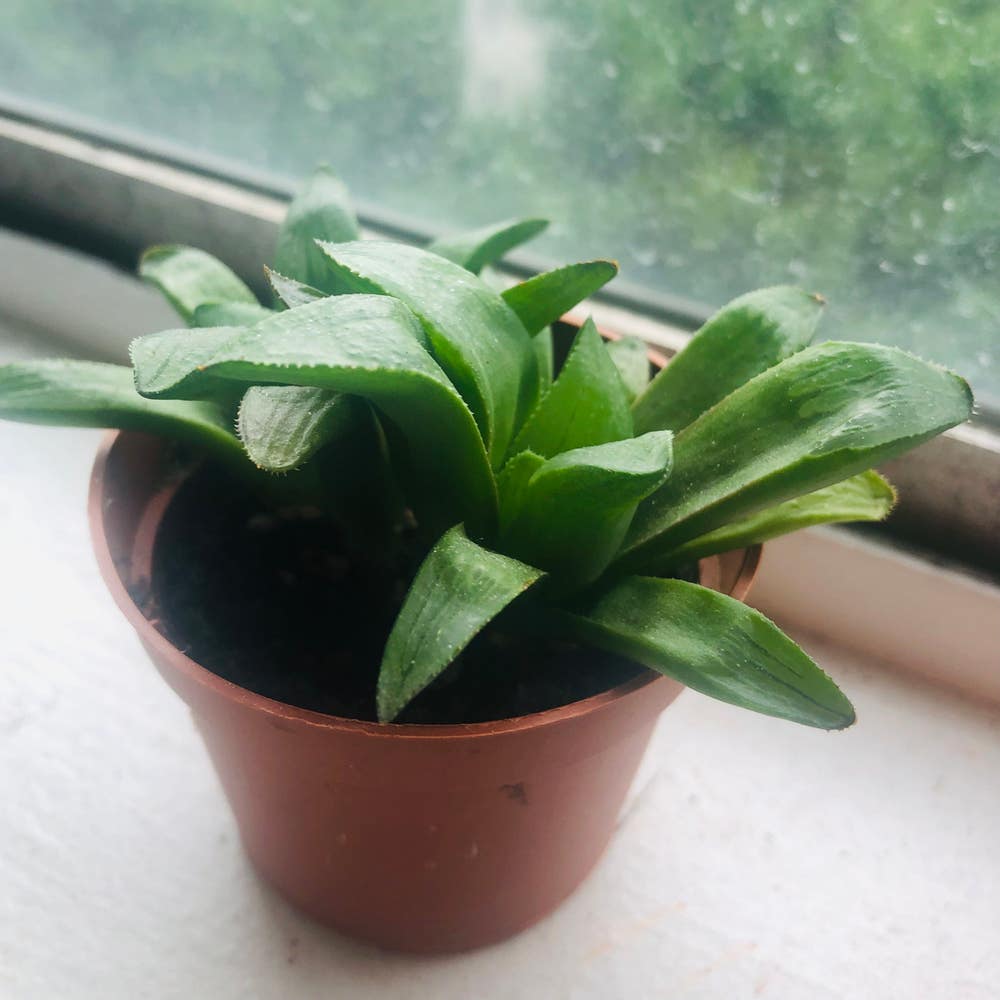
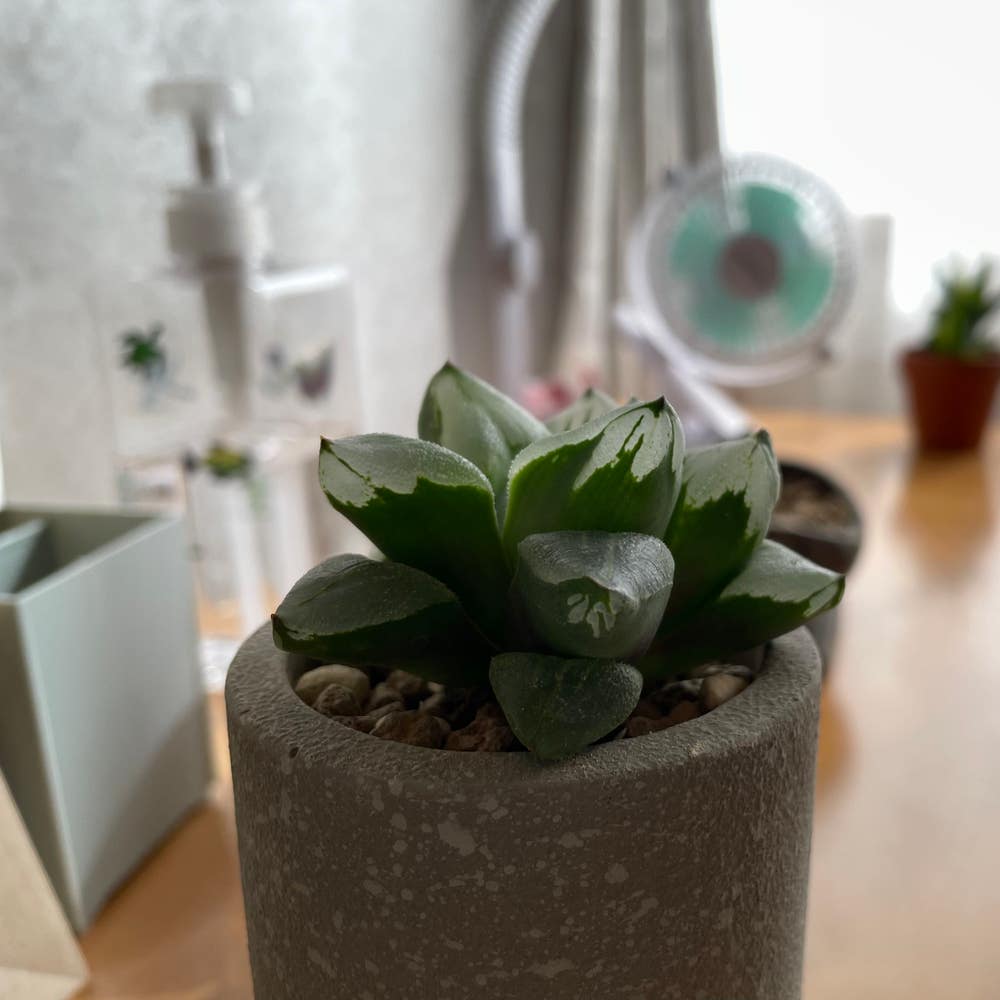
Yellowing leaves on your Haworthia pygmaea can be as natural as graying hair. If it's the outer leaves fading, they're likely just taking their final bow. However, when the plant's crown starts to look pale, it's time to play detective with your care routine.
Letting Nature Take Its Course
When it's just a few old guards turning yellow, don't sweat it. Natural senescence is a part of every plant's lifecycle. If they're the lower leaves, let them go gently into that good night. But, keep an eye out for a domino effect; if multiple leaves or new growth are changing color, your plant is sending an SOS.
Too Much Love: The Perils of Overwatering
💦 Recognizing the Signs of Waterlogged Roots
Yellow leaves and a blackened base are like red flags at a lifeguard station—your Haworthia pygmaea is in distress. If the soil clings to your fingers with the desperation of a clingy pet, it's a sign you've overdone the hydration. A pot heavier than your emotional baggage? Definitely too wet. These symptoms scream for an intervention before root rot turns your plant's lifelines to mush.
🚱 Steps to Rescue Your Plant from Drowning
First, stop watering and let the soil channel its inner desert. If the roots resemble overcooked noodles, it's time for some tough love—trim the rotten parts away. Make sure your pot's drainage isn't as clogged as city traffic; those holes are your plant's lifeline. Going forward, water only when the top inch of soil feels as dry as a stand-up comedian's wit. Remember, your Haworthia doesn't need a flood—it craves a steady, loving trickle.
Thirsty Roots: The Underwatering Balancing Act
🍂 Identifying the Cries for Water in Yellow Leaves
Yellow leaves can be a distress signal from your Haworthia pygmaea, indicating a serious thirst. When the leaves start to look more like autumn foliage than a vibrant succulent, it's time to reassess your watering habits. Crispiness and wilting are your plant's equivalent of a parched throat; they're not trying to be dramatic, they just need a drink.
💧 Fine-tuning Your Watering Routine for a Happy Haworthia
To prevent your Haworthia from becoming a botanical mummy, check the soil's moisture by sticking your finger in; if it's dry as a bone, it's time for hydration. Moderation is key—these plants enjoy a good soak but then prefer a drought-like break. Ensure your pot has proper drainage because sitting in water is not this succulent's idea of a good time. If the pot feels suspiciously light, it's a clear sign your plant is running on empty. Remember, your Haworthia's feedback is more reliable than any watering schedule. Keep an eye on the soil, not the calendar, and you'll be on track to strike the perfect balance.
Sun-Kissed or Sunburnt? Finding the Light Sweet Spot
🌞 Understanding the Impact of Too Much Sun
Haworthia pygmaea thrives in bright indirect light, but direct sunlight can be a harsh foe. Sunburn manifests as bleached, discolored, or crispy leaves. It's a silent scream for relief from the sun's intense rays.
🔄 Adjusting Your Plant's Tan Time
Rotate your plant to ensure even exposure, preventing one side from hogging all the light. East-facing windows are your ally, offering gentle morning sun without the scorch of midday. If the sun's intensity spikes, diffuse it; a sheer curtain can act as a sunscreen for your succulent.
🛡️ Shifting to Safer Light
If your Haworthia is looking more fried than flushed, it's time to move it away from the sun's spotlight. Find a spot where light is abundant but indirect. Keep an eye on new growth – it's a sign your plant is content with its lighting.
🍂 Seasonal Light Changes
As the seasons change, so does the sun's angle. A spot that was once ideal can become a solar oven by summer. Stay vigilant and shuffle your plant's position to maintain that perfect balance of light.
💡 Light Meter Apps: The Indoor Sun
Tech-savvy? Use a light meter app to take the guesswork out of finding the Goldilocks zone for your Haworthia. It's about giving your plant enough light to thrive without the threat of a sunburn.
Tiny Invaders: Dealing with Pests
🐜 Spotting the Signs of Pest Infestations
Yellow leaves on your Haworthia pygmaea can be a distress signal for pest infestations. Check thoroughly for other symptoms like dry or mushy leaves, growth stunting, or mysterious spots. These can indicate a more serious issue than just yellowing. Inspect for sneaky pests like aphids, which prefer new growth, or mealybugs, which leave behind a white fluff and sticky honeydew. Don't forget about spider mites and their telltale webbing, or thrips with their silvery streaks on leaves.
🛡️ Winning the Battle Against Bugs
To keep your Haworthia healthy, act fast at the first sign of pests. A strong blast of water can dislodge many of them, especially from under the leaves. For tougher cases, introduce beneficial insects like ladybugs or lacewings, nature's pest control agents. If chemical intervention is necessary, opt for insecticidal soap or neem oil, which are less harmful to beneficial insects. Regular plant check-ups are crucial—turn those leaves over and get nosy. Remember, prevention is key: quarantine new plants and keep your Haworthia away from potential pest carriers.
The Ounce of Prevention: Keeping Yellow at Bay
💧 Watering Wisdom
Consistency is your Haworthia pygmaea's best friend when it comes to watering. Hit the sweet spot by watering when the top inch of soil is dry. Remember, this plant detests soggy feet, so ensure drainage is on point to avoid waterlogging its roots.
☀️ Light the Way
Too much sun can turn your Haworthia's leaves from zesty green to a crispy yellow. Aim for bright, indirect light—think of it as your plant's ideal sunbathing regime. Rotate the pot occasionally for even exposure, ensuring no side gets the short end of the sunlight stick.
🦠 Vigilance Against Villains
Pests love a plant party, and yellow leaves are their favorite rave. Keep these tiny invaders at bay with regular check-ups. Spot a bug? Isolate your plant and treat it with neem oil or insecticidal soap. Prevention beats the hassle of an all-out pest war.
Remember, a little proactivity goes a long way in keeping your Haworthia pygmaea's leaves the right shade of green.
⚠️ Safety First
This content is for general information and may contain errors, omissions, or outdated details. It is not medical, veterinary advice, or an endorsement of therapeutic claims.
Always consult a qualified healthcare professional before using any plant as food, medicine, or supplement.
Never eat any plant (or feed one to pets) without confirming its identity with at least two trusted sources.
If you suspect poisoning, call Poison Control (800) 222-1222, the Pet Poison Helpline (800) 213-6680, or your local emergency service immediately.
Spotted an error? Please report it here.
Revitalize your Haworthia pygmaea from yellow to green 🌿 with Greg's custom care schedule and proactive pest management alerts!