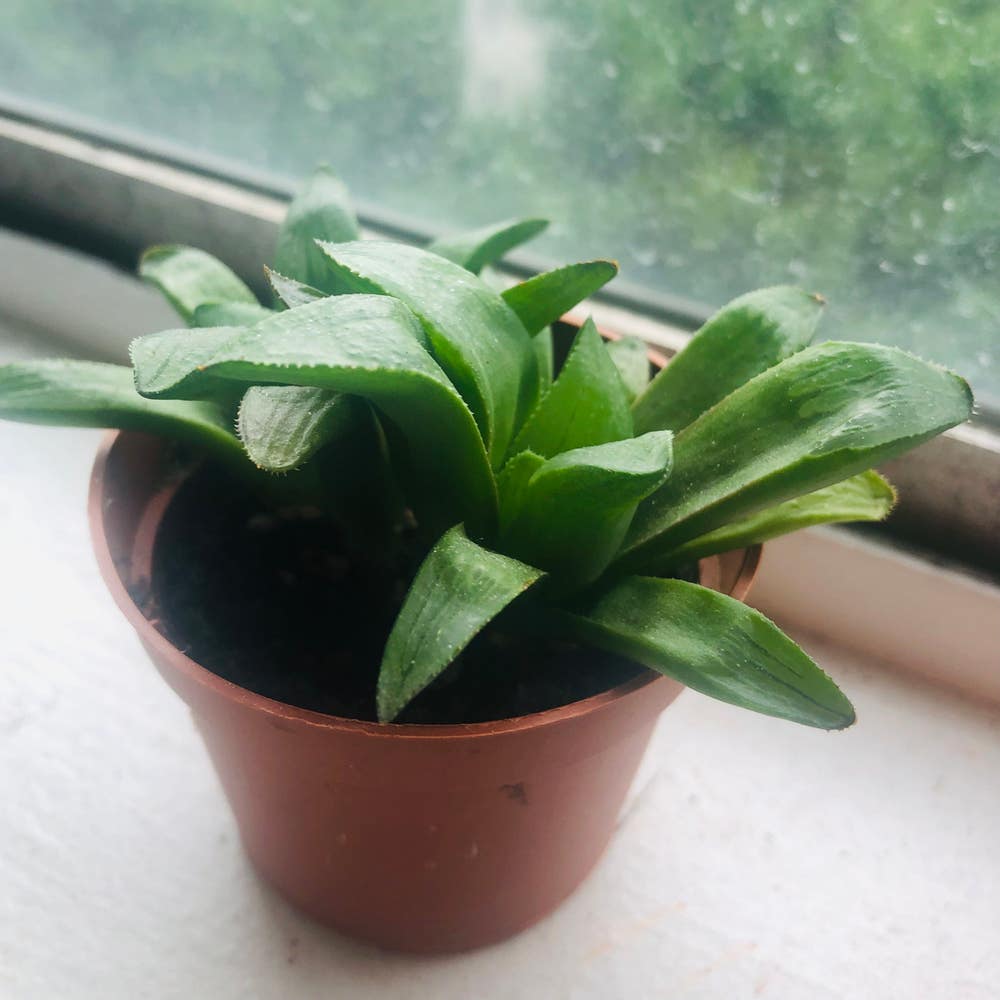
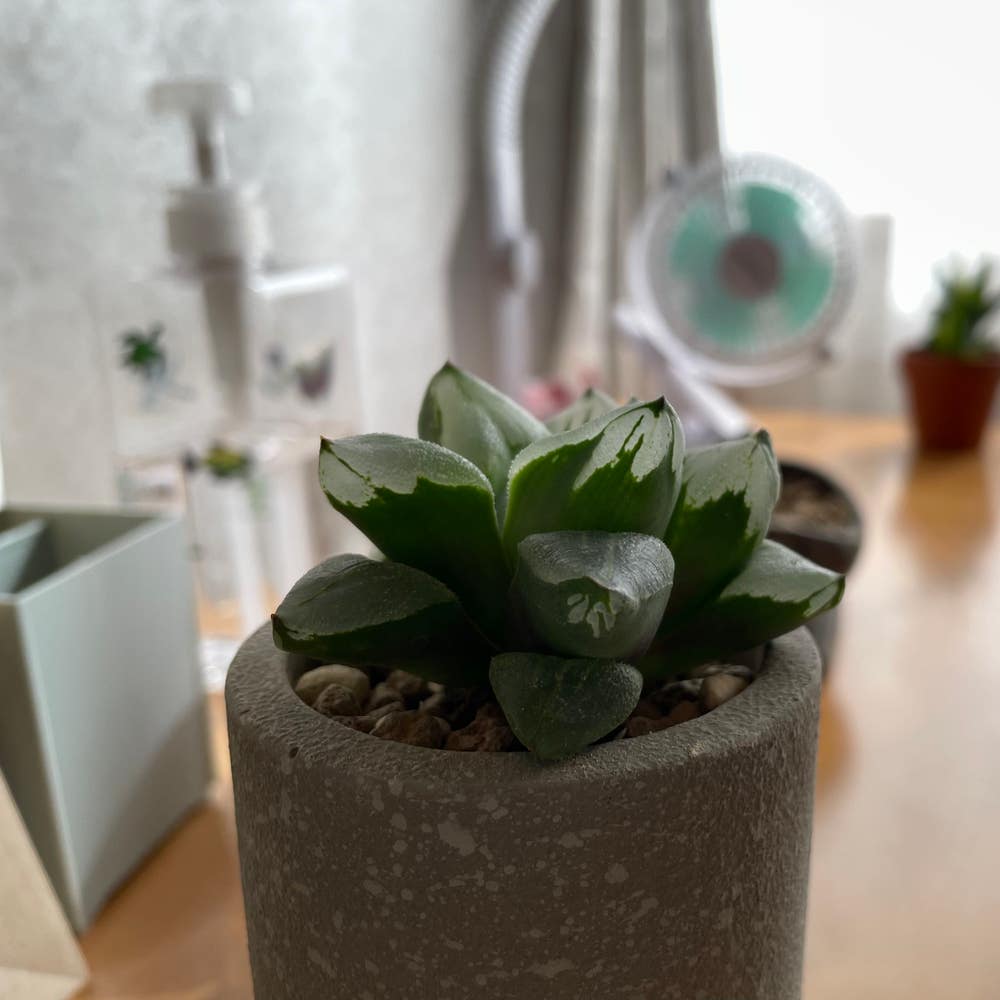
🌵 Pygmy Haworthia Roots 101
Haworthia pygmaea
By the Greg Editorial Team
Oct 01, 2024•6 min read
This article was created with the help of AI so we can cover more plants for you. May contain errors. See one? Report it here.
Discover how proper root care can transform your Pygmy Haworthia into a thriving beauty! 🌱✨
- 🌱 Pygmy Haworthia's fibrous roots absorb moisture quickly, crucial for its survival.
- 🏺 Pot size impacts root growth; smaller pots lead to compact roots, larger promote expansion.
- 🚫 Prevent root rot by ensuring well-draining soil and monitoring watering frequency.
Root System Type
Fibrous Roots 🌱
Fibrous roots are a network of thin, branching roots that spread out horizontally. This structure is essential for the Pygmy Haworthia, as it allows the plant to efficiently absorb moisture from the soil.
Characteristics of Fibrous Roots 🌿
These roots are shallow but extensive, which means they can quickly gather water during rainfall or watering sessions. Additionally, they are adapted to store water, enhancing the plant's drought resistance.
Importance of Well-Draining Soil 🏞️
For the health of fibrous roots, well-draining soil is crucial. It prevents water from pooling around the roots, which can lead to rot and other issues.
Understanding the fibrous root system is key to ensuring your Pygmy Haworthia thrives. With the right care, these roots can support a healthy, resilient plant ready to face various environmental challenges.
Next, let's explore the typical root depth, spread, and growth patterns of these fascinating plants.
Root Depth, Spread, and Growth Patterns
Typical Root Depth and Spread 🌱
Pygmy Haworthia typically has a root depth of about 2-4 inches (5-10 cm). These roots can spread up to 12 inches (30 cm) in diameter, depending on the size of the pot.
Growth Patterns in Relation to Pot Size 🪴
The size of the pot significantly influences root growth. Smaller pots tend to create more compact root systems, while larger pots allow roots to expand, promoting healthier plants.
Choosing the right pot size is crucial for optimal root development. A well-sized pot not only supports root health but also enhances overall plant vitality.
Watering, Fertilizing, and Transplanting
🌱 How Root System Affects Watering Frequency
Shallow roots in Pygmy Haworthia require more frequent watering to thrive. Aim for a schedule of every 1-2 weeks, adjusting based on your plant's environment to avoid overwatering.
🥗 Fertilization Needs Based on Root Health
During the growing season, use a diluted, balanced fertilizer to nourish your succulents. Watch for signs of nutrient deficiency, such as stunted growth or yellowing leaves, which indicate your plant needs a boost.
🌿 Best Practices for Transplanting
Timing is crucial when transplanting; spring or early summer is ideal. Follow these steps for a successful transplant:
- Prepare a well-draining soil mix.
- Gently remove the plant from its pot, taking care not to damage the roots.
- Place it in a new pot with fresh soil, ensuring the roots are spread out.
- Water lightly after transplanting to help settle the soil.
Understanding these practices will enhance your Pygmy Haworthia's health and growth. Next, let’s explore common root-related issues and how to tackle them effectively.
Common Root-Related Issues
🕵️ Identifying Root Rot and Its Causes
Root rot can be a silent killer for your Pygmy Haworthia. Symptoms include wilting leaves, yellowing foliage, and a foul odor emanating from the soil.
The primary culprits behind root rot are overwatering, poor drainage, and compacted soil. Understanding these causes is crucial for maintaining a healthy plant.
🛠️ Solutions for Root-Related Problems
Preventing root rot starts with ensuring your plant has well-draining soil and proper watering techniques. Avoid letting your plant sit in water, as this can lead to disaster.
If you do encounter root rot, follow these steps for treatment:
- Remove the plant from its pot.
- Trim away any affected roots using sterilized scissors.
- Repot the plant in fresh, dry soil.
By addressing these issues promptly, you can help your Pygmy Haworthia thrive and avoid future problems. Next, let’s explore how to differentiate between healthy and unhealthy roots to further safeguard your plant's well-being.
Healthy vs Unhealthy Roots
🌱 Visual Cues for Healthy Roots
Healthy roots are a gardener's pride. Look for roots that are firm, with a white or light tan color and minimal odor.
These roots should feel flexible and resilient, not easily breakable. This indicates they are thriving and ready to support your Pygmy Haworthia.
🚨 Signs of Unhealthy Roots and Corrective Measures
Unhealthy roots can spell trouble for your plant. Indicators include dark, mushy roots, a foul smell, or excessive dryness.
If you notice these signs, it’s time to take action. Start by trimming away the unhealthy roots and repotting the plant in fresh soil.
Adjusting your watering schedule is crucial to prevent future issues. This proactive approach will help restore your plant's health and vitality.
Understanding these root characteristics is essential for maintaining a thriving Pygmy Haworthia. Next, let’s explore rootbound conditions and how to address them effectively.
Rootbound Plants
Definition and Implications of Being Rootbound 🌱
Rootbound refers to a condition where a plant's roots grow in circles around the pot, limiting their ability to absorb nutrients and water. This can lead to stunted growth, nutrient deficiencies, and increased stress on the plant.
How to Recognize Rootbound Conditions 👀
Recognizing rootbound conditions is straightforward. Look for signs such as roots emerging from drainage holes, slow growth, or wilting despite adequate watering.
Steps to Take When a Plant is Rootbound 🛠️
If you discover your plant is rootbound, follow these steps to help it thrive again:
- Remove the plant from its pot.
- Gently loosen the roots and trim any circling roots.
- Repot in a larger container with fresh soil.
Taking these actions can rejuvenate your plant, allowing it to grow freely and healthily. Understanding rootbound conditions is crucial for maintaining a vibrant Pygmy Haworthia.
Next, let’s explore the importance of root health in propagation and division.
Propagation and Division
🌱 Importance of Root Health in Propagation
Healthy roots are the backbone of successful propagation and division. When roots are stressed, it can lead to poor growth or even plant death, making root health a top priority.
✂️ Techniques for Dividing While Maintaining Root Integrity
To ensure successful division, follow these steps:
- Remove the plant from its pot. Gently take it out to avoid damaging the roots.
- Identify natural divisions or offsets. Look for sections that can be separated without harming the main plant.
- Use sterilized scissors to separate. Make clean cuts, ensuring each division has roots attached.
- Repot divisions in well-draining soil. Choose a suitable pot and water lightly to help them settle in.
By focusing on root health during propagation, you set the stage for thriving new plants. This careful approach not only enhances growth but also fosters a deeper connection with your Pygmy Haworthia.
Next, let’s explore how to recognize and address root-related issues to keep your plants flourishing.
⚠️ Safety First
This content is for general information and may contain errors, omissions, or outdated details. It is not medical, veterinary advice, or an endorsement of therapeutic claims.
Always consult a qualified healthcare professional before using any plant as food, medicine, or supplement.
Never eat any plant (or feed one to pets) without confirming its identity with at least two trusted sources.
If you suspect poisoning, call Poison Control (800) 222-1222, the Pet Poison Helpline (800) 213-6680, or your local emergency service immediately.
Spotted an error? Please report it here.
Unlock the secret to thriving roots 🌿 with Greg's tailored watering reminders and soil tips, ensuring your Pygmy Haworthia flourishes like never before!