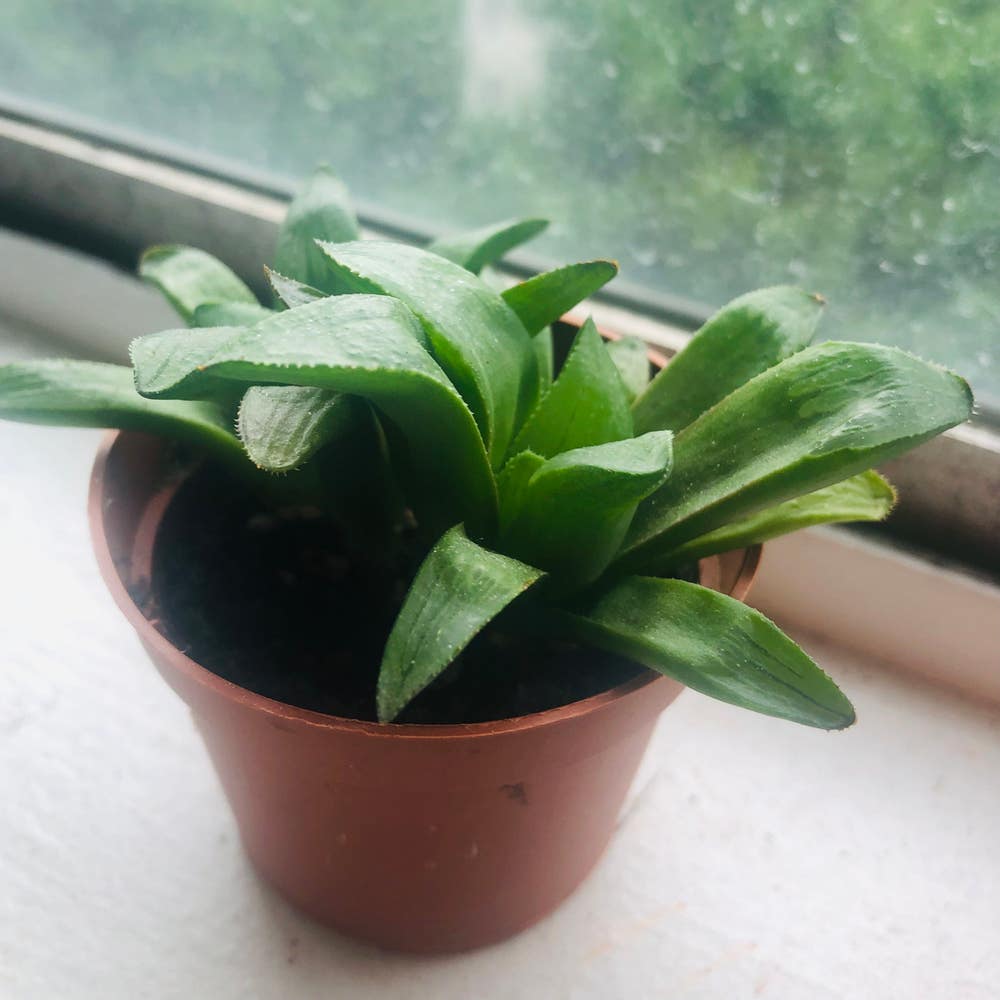
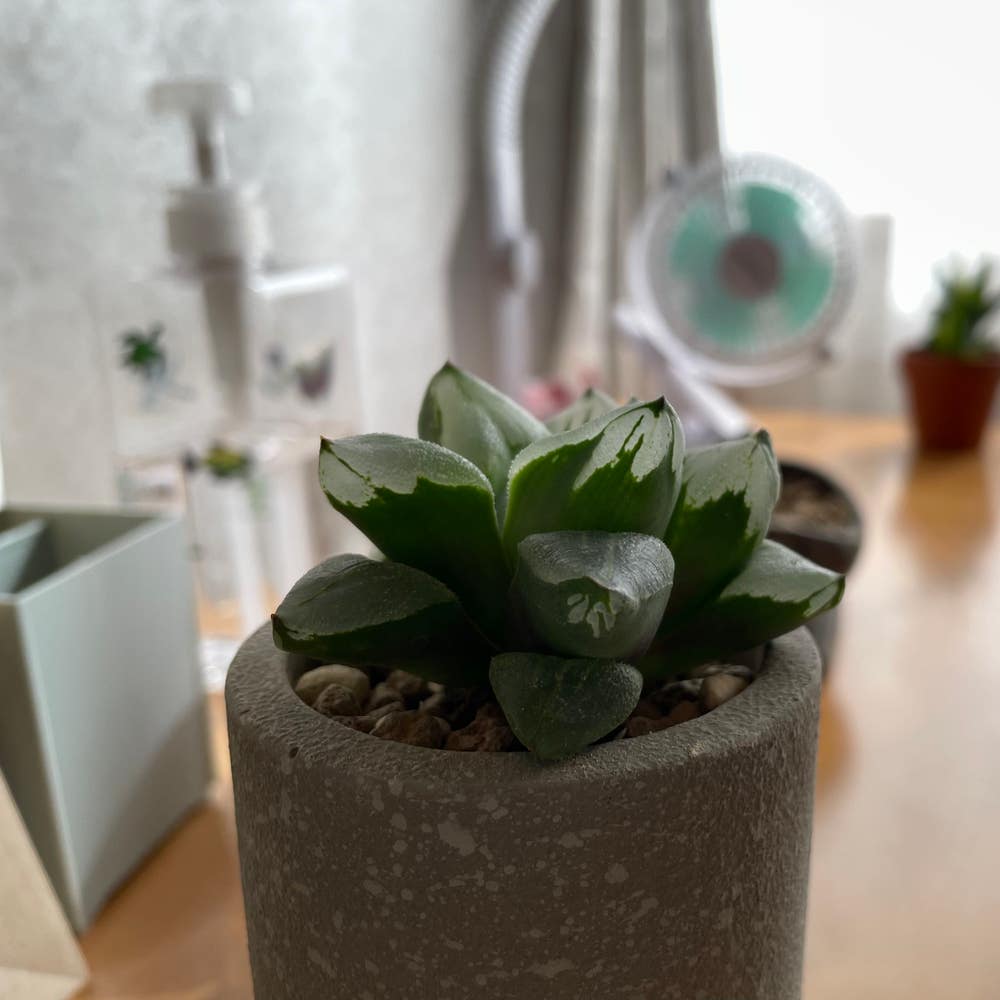
Top 9 Signs Your Pygmy Haworthia Needs Pollination 🐝
Haworthia pygmaea
By the Greg Editorial Team
Oct 01, 2024•6 min read
This article was created with the help of AI so we can cover more plants for you. May contain errors. See one? Report it here.
Discover how Pygmy Haworthia's flowers 🌸 can enhance pollination and transform your garden into a thriving ecosystem!
- 🌼 Pygmy Haworthia attracts bees and butterflies for effective pollination and seed production.
- 🤝 Self-pollination ensures seed production, even without external pollinators.
- 🌱 Creating a pollinator-friendly garden boosts Pygmy Haworthia's growth and resilience.
Flower Structure
Description of Flower Characteristics 🌸
Pygmy Haworthia features tubular flowers that are perfectly designed for pollinator access. Their white or pale green hues attract specific pollinator species, making them a visual beacon in the garden.
The flowers are arranged in racemes, which enhances their visibility and accessibility. This strategic arrangement ensures that pollinators can easily find and navigate to the blooms.
Role of Flower Structure in Pollination 🐝
The flower structure of Pygmy Haworthia supports self-pollination effectively. The close proximity of stamens and pistils allows for pollen transfer without the need for external agents.
However, the design also encourages cross-pollination. By attracting various pollinators, these flowers increase the chances of genetic diversity and robust seed production.
This dual capability makes Pygmy Haworthia an intriguing plant for both novice and experienced gardeners. Understanding its flower structure is key to maximizing its pollination potential.
With this knowledge, you can appreciate the intricate relationships between plants and their pollinators, paving the way for a thriving garden ecosystem.
Pollination Process
Self-Pollination 🌱
Pygmy Haworthia has a fascinating ability to self-pollinate. This process typically occurs when conditions are just right, often during warm, dry periods when the flowers are fully open.
Self-pollination can be beneficial, as it ensures seed production even in the absence of pollinators. However, relying solely on this method may limit genetic diversity, which is crucial for the plant's overall health.
Cross-Pollination 🐝
Cross-pollination introduces a variety of genetic material, enhancing the resilience of Pygmy Haworthia. Key pollinators include bees, butterflies, and moths, each playing a vital role in transferring pollen.
These pollinators are attracted to the plant's tubular flowers and subtle scents. The flower's structure not only makes it easy for them to access nectar but also encourages them to visit multiple blooms, increasing the chances of successful pollination.
Understanding these processes can help you appreciate the intricate relationships between Pygmy Haworthia and its pollinators. Next, we’ll explore the natural mechanisms that facilitate pollen transfer and their importance in plant reproduction.
Natural Pollination Mechanisms
🌬️ Pollen Transfer Mechanisms
Pollen transfer in Pygmy Haworthia occurs through both wind and animal interactions. Wind can carry pollen from one flower to another, but the real magic happens when pollinators like bees and butterflies visit the flowers, collecting and transferring pollen as they move from bloom to bloom.
This natural process is crucial for plant reproduction. Pollination not only enables fertilization but also contributes to genetic diversity, which is vital for the resilience and adaptability of Pygmy Haworthia. A diverse gene pool helps the species thrive in varying environmental conditions.
🌼 Importance of Pollination
Pollination is the lifeblood of plant reproduction. It ensures that Pygmy Haworthia can produce seeds, leading to new plants and continued growth.
Moreover, effective pollination enhances the genetic diversity of the species. This diversity is essential for adapting to changes in the environment, making Pygmy Haworthia more robust against diseases and climate fluctuations.
Understanding these mechanisms can help you appreciate the intricate relationships between plants and their pollinators. By fostering these connections, you can contribute to a healthier ecosystem.
As we delve deeper into the world of pollination, the next section will explore hand pollination techniques that can further support your Pygmy Haworthia's reproductive success.
Hand Pollination Techniques
Hand pollination can be a rewarding way to ensure your Pygmy Haworthia thrives. Here’s a straightforward guide to help you through the process.
Step 1: Identifying Male and Female Parts 🌸
First, locate the flower's stamens and pistils. The stamens are the male parts, often appearing as slender filaments topped with pollen, while the pistils are the female parts, typically found in the center of the flower.
Step 2: Collecting Pollen 🧹
Next, gather pollen from the stamens. A small brush or cotton swab works perfectly for this task, allowing you to collect the fine yellow grains without damaging the flower.
Step 3: Transferring Pollen 🎯
Once you have the pollen, gently apply it to the stigma of the pistil. This step is crucial, as it facilitates fertilization and encourages seed production.
Step 4: Timing ⏰
Timing is everything! Perform this process during peak flowering times for the best results. This ensures that the flowers are most receptive to the pollen.
Hand pollination not only boosts your plant's chances of reproduction but also deepens your connection with it. By taking these steps, you can actively participate in the life cycle of your Pygmy Haworthia, ensuring it flourishes beautifully.
Ready to learn more about creating a pollinator-friendly environment? Let's dive into that next!
Supporting Pollinators
🌼 Creating a Pollinator-Friendly Environment
To boost pollination for your Pygmy Haworthia, start by enhancing plant diversity in your garden. A variety of flowering plants attracts different pollinator species, ensuring a steady flow of visitors.
Additionally, providing shelter and nesting sites is crucial. Pollinators need safe spaces to rest and reproduce, so consider adding small brush piles or bee hotels to your garden.
🌻 Companion Plants
Companion planting can significantly enhance pollination success. Consider adding flowers like lavender, marigolds, or sunflowers. These plants not only attract beneficial pollinators but also create a vibrant ecosystem that supports your Pygmy Haworthia.
By fostering a welcoming environment and choosing the right companions, you can ensure your plants thrive and enjoy a flourishing pollination process.
Next, let’s explore the common challenges that can hinder pollination and how to overcome them.
Pollination Challenges and Solutions
Common Obstacles 🌪️
Pollination success for Pygmy Haworthia can be hindered by various environmental factors. Temperature fluctuations and high humidity levels can disrupt the delicate balance needed for effective pollination.
Additionally, a lack of pollinators poses a significant challenge. Urbanization, pesticide use, and habitat loss can lead to reduced pollinator activity, making it harder for these plants to reproduce.
Solutions 💡
To improve pollination success, consider adjusting your watering schedule. Ensuring that your plants are well-hydrated can create a more favorable environment for pollinators.
Enhancing your garden environment is also crucial. Planting a diverse array of flowering plants can attract various pollinator species, increasing the chances of successful pollination.
When natural methods fall short, supplemental hand pollination can be a game-changer. This technique can ensure that your Pygmy Haworthia gets the attention it needs, especially during peak flowering times.
By addressing these challenges and implementing effective solutions, you can foster a thriving ecosystem for your Pygmy Haworthia. This not only enhances their growth but also contributes to the overall health of your garden.
⚠️ Safety First
This content is for general information and may contain errors, omissions, or outdated details. It is not medical, veterinary advice, or an endorsement of therapeutic claims.
Always consult a qualified healthcare professional before using any plant as food, medicine, or supplement.
Never eat any plant (or feed one to pets) without confirming its identity with at least two trusted sources.
If you suspect poisoning, call Poison Control (800) 222-1222, the Pet Poison Helpline (800) 213-6680, or your local emergency service immediately.
Spotted an error? Please report it here.
Boost your Pygmy Haworthia's pollination success 🌼 with Greg's tailored care reminders and tips, ensuring a thriving garden ecosystem for your plants and their pollinators!