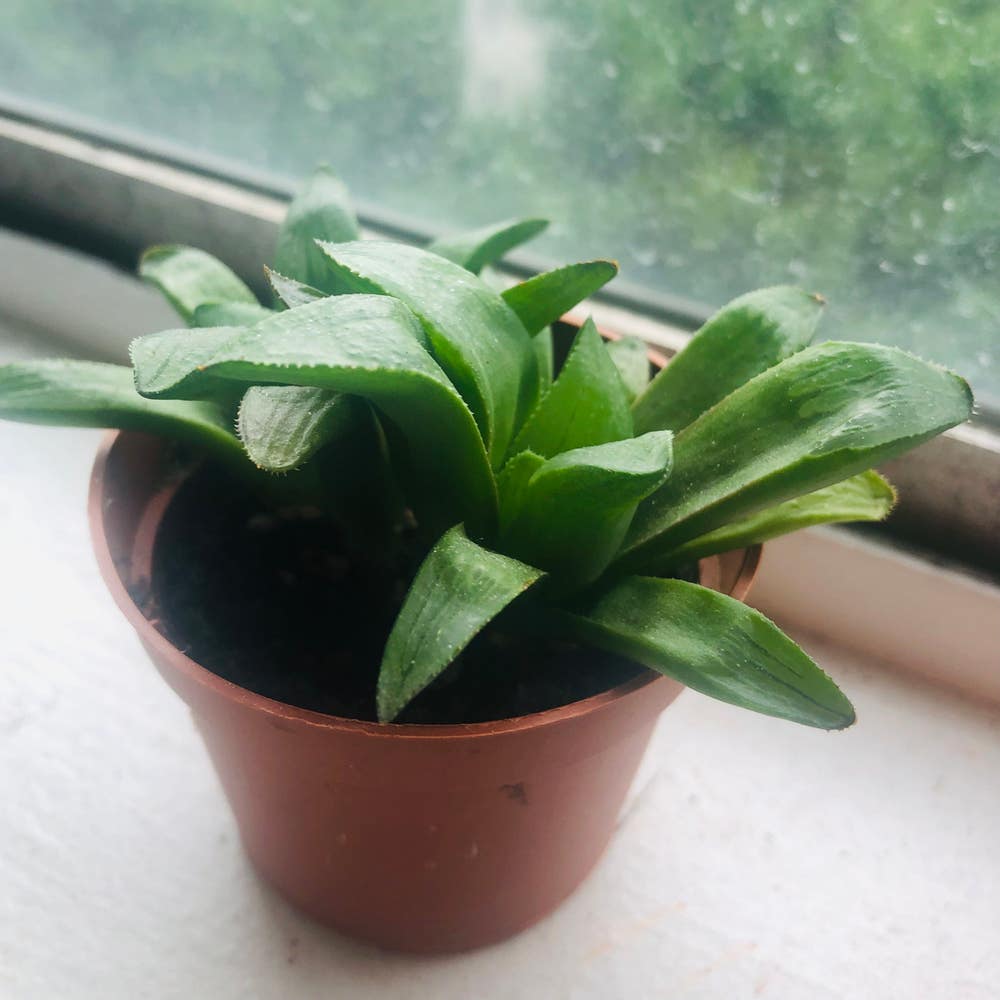
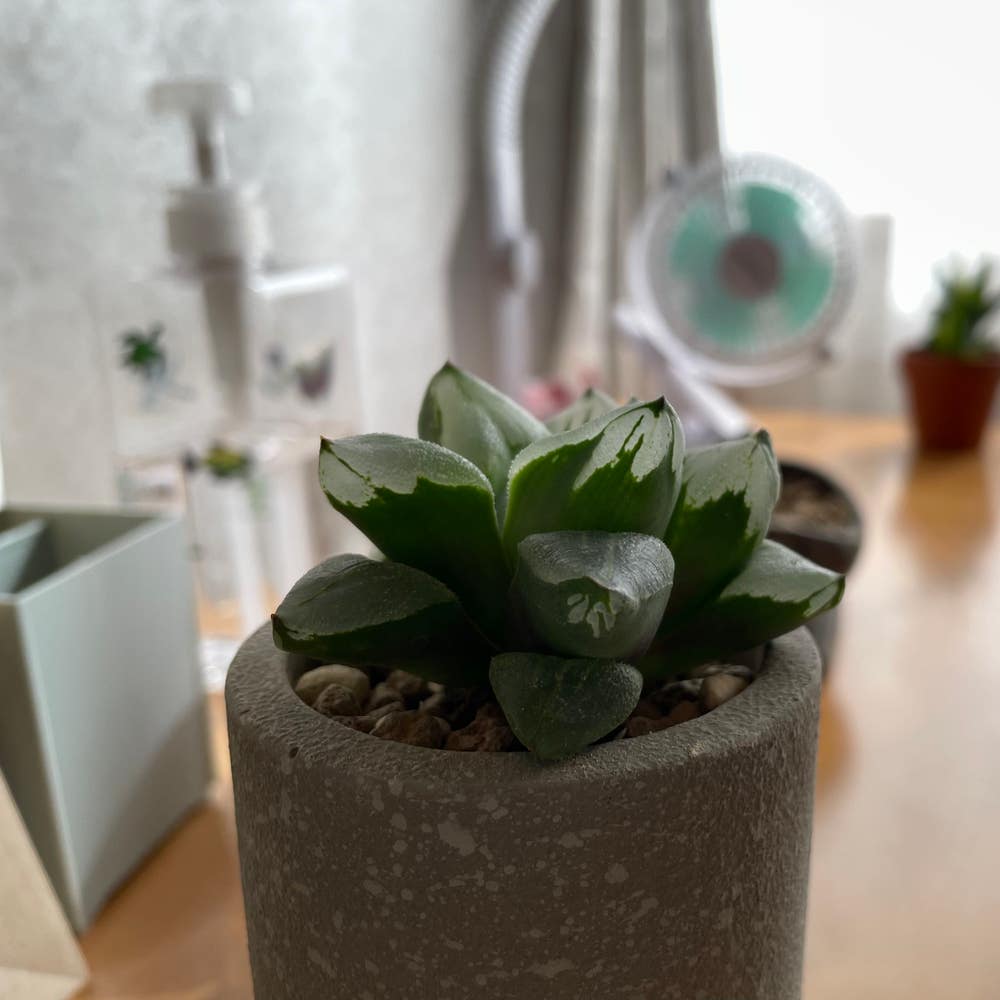
5 Facts About Pygmy Haworthia Lifecycle 🌵
Haworthia pygmaea
By the Greg Editorial Team
Oct 01, 2024•5 min read
This article was created with the help of AI so we can cover more plants for you. May contain errors. See one? Report it here.
Cultivate Pygmy Haworthia from seed to stunning plant 🌱 with this essential guide to its lifecycle!
- 🌱 Pygmy Haworthia germinates in 2-4 weeks with optimal temperature and moisture.
- 🌼 Flowers bloom for 2-4 weeks; cross-pollination is essential for seed production.
- ⏳ Full size takes 3-5 years; proper care ensures longevity over 20 years.
Germination Stage
🌱 Duration of Germination
The germination stage for Pygmy Haworthia typically lasts between 2 to 4 weeks. This duration can vary based on temperature and moisture levels, which play crucial roles in the process.
🌡️ Conditions for Successful Germination
To ensure successful germination, maintain an optimal temperature range of 20°C to 25°C (68°F to 77°F).
Using a well-draining cactus mix is essential for the soil, as it prevents waterlogging.
Additionally, provide indirect sunlight to avoid overheating the delicate seeds.
These conditions create a nurturing environment for the seeds to sprout and thrive.
With the right care, you'll witness the exciting beginning of a new plant's life.
As we move forward, let’s explore the characteristics of seedlings that emerge from this crucial stage.
Seedling Stage
Characteristics of Seedlings 🌱
Pygmy Haworthia seedlings are small, typically measuring 1-2 cm in diameter. Their delicate, fleshy leaves showcase distinct patterns that make them visually appealing.
Duration of the Seedling Stage ⏳
This stage usually lasts between 4 to 6 months. You'll know your seedlings are maturing when they develop multiple leaves and increase in size, signaling healthy growth.
As these tiny plants progress, they set the stage for the next exciting phase of their lifecycle. Understanding their needs during this time is crucial for nurturing them into robust adults.
Vegetative Growth Stage
Growth Patterns and Changes 🌱
During the vegetative growth stage, Pygmy Haworthia exhibits a slow but steady growth habit, forming a charming rosette shape. As time progresses, the leaves become thicker and more pronounced, showcasing their unique textures and patterns.
Duration of Vegetative Growth ⏳
This stage typically lasts between 1 to 3 years, depending on various factors. Light intensity, watering frequency, and nutrient availability play crucial roles in determining how quickly your plant thrives.
Understanding these elements can help you create the ideal environment for your Pygmy Haworthia, ensuring it flourishes beautifully.
With the right care, you can witness the transformation of your plant as it prepares for the next exciting phase of its lifecycle.
Flowering and Seed Production
Description of Flowering 🌸
Pygmy Haworthia produces small, tubular flowers that are typically white or pale green. These delicate blooms grow on a tall stalk, rising elegantly above the rosette of leaves.
Duration and Conditions for Flowering ⏳
The flowering stage lasts about 2-4 weeks. For successful flowering, ensure adequate light, proper watering, and maintain a temperature between 18°C to 24°C (64°F to 75°F).
Process of Seed Production 🌱
Pollination is essential for seed development in Pygmy Haworthia, requiring cross-pollination between flowers. After successful fertilization, seed formation begins, setting the stage for the next generation.
Duration and Viability of Seeds 🕰️
Seeds typically mature 4-6 weeks after flowering. Under proper storage conditions, these seeds can remain viable for several years, ready to sprout when the time is right.
Understanding the flowering and seed production stages is crucial for cultivating Pygmy Haworthia successfully. Next, we’ll explore how long it takes for these fascinating plants to reach full maturity.
Growth Rate and Maturation
How Long Until Fully Grown? 🌱
Pygmy Haworthia typically takes about 3 to 5 years to reach its full size. This timeframe can vary based on several factors, including light, temperature, and watering practices.
Factors Affecting Growth Rate 🌡️
Environmental conditions play a crucial role in growth rates. Humidity and temperature fluctuations can either accelerate or slow down development.
Soil quality is equally important. A nutrient-rich, well-draining soil mix promotes faster growth and healthier plants.
Comparison of Growth Rates in Different Conditions ⚖️
Under optimal conditions, Pygmy Haworthia thrives. Bright, indirect light combined with moderate watering leads to quicker growth.
Conversely, suboptimal conditions can hinder progress. Low light or overwatering scenarios often result in slower growth rates, making patience essential for cultivation.
Understanding these factors can help you create the ideal environment for your Pygmy Haworthia, ensuring it flourishes beautifully. As we explore the notable changes throughout its lifecycle, you'll see how these growth patterns manifest in physical transformations.
Notable Changes Throughout Lifecycle
🌱 Physical Changes During Each Stage
The lifecycle of the Pygmy Haworthia is marked by distinct physical transformations.
Germination: This stage kicks off with the emergence of cotyledons, the first leaves that signal new life.
Seedling: As the plant matures, it develops true leaves, showcasing its unique patterns and textures.
Vegetative: During this phase, the leaves thicken and the rosette formation becomes more pronounced, giving the plant its characteristic shape.
Flowering: Finally, the appearance of flower stalks indicates that the plant is ready to reproduce, adding a new layer of beauty to its lifecycle.
🌍 Environmental Influences on Lifecycle Changes
Environmental factors play a crucial role in shaping the Pygmy Haworthia's growth.
Impact of Light: Insufficient light can delay both flowering and overall growth, stunting the plant's potential.
Temperature Effects: Extreme temperatures can hinder germination and growth stages, making it essential to maintain a stable environment.
⏳ Overall Lifespan
The lifespan of a Pygmy Haworthia can be quite impressive.
Typical Lifespan: Under optimal conditions, these plants can exceed 20 years, thriving with proper care.
Lifespan Variations: However, in less favorable environments, their lifespan may be shorter, highlighting the importance of suitable conditions.
Factors Influencing Longevity: Care practices, such as watering and light exposure, along with environmental stability, significantly impact how long these resilient plants can live.
Understanding these lifecycle changes not only enhances your appreciation for the Pygmy Haworthia but also equips you with the knowledge to nurture them effectively. As we delve into the next section, we’ll explore how long it takes for these fascinating plants to reach their full growth potential.
⚠️ Safety First
This content is for general information and may contain errors, omissions, or outdated details. It is not medical, veterinary advice, or an endorsement of therapeutic claims.
Always consult a qualified healthcare professional before using any plant as food, medicine, or supplement.
Never eat any plant (or feed one to pets) without confirming its identity with at least two trusted sources.
If you suspect poisoning, call Poison Control (800) 222-1222, the Pet Poison Helpline (800) 213-6680, or your local emergency service immediately.
Spotted an error? Please report it here.
Unlock the secrets of Pygmy Haworthia's lifecycle and cultivate thriving plants 🌿 with Greg's tailored care reminders and expert tips to guide you from germination to blooming!