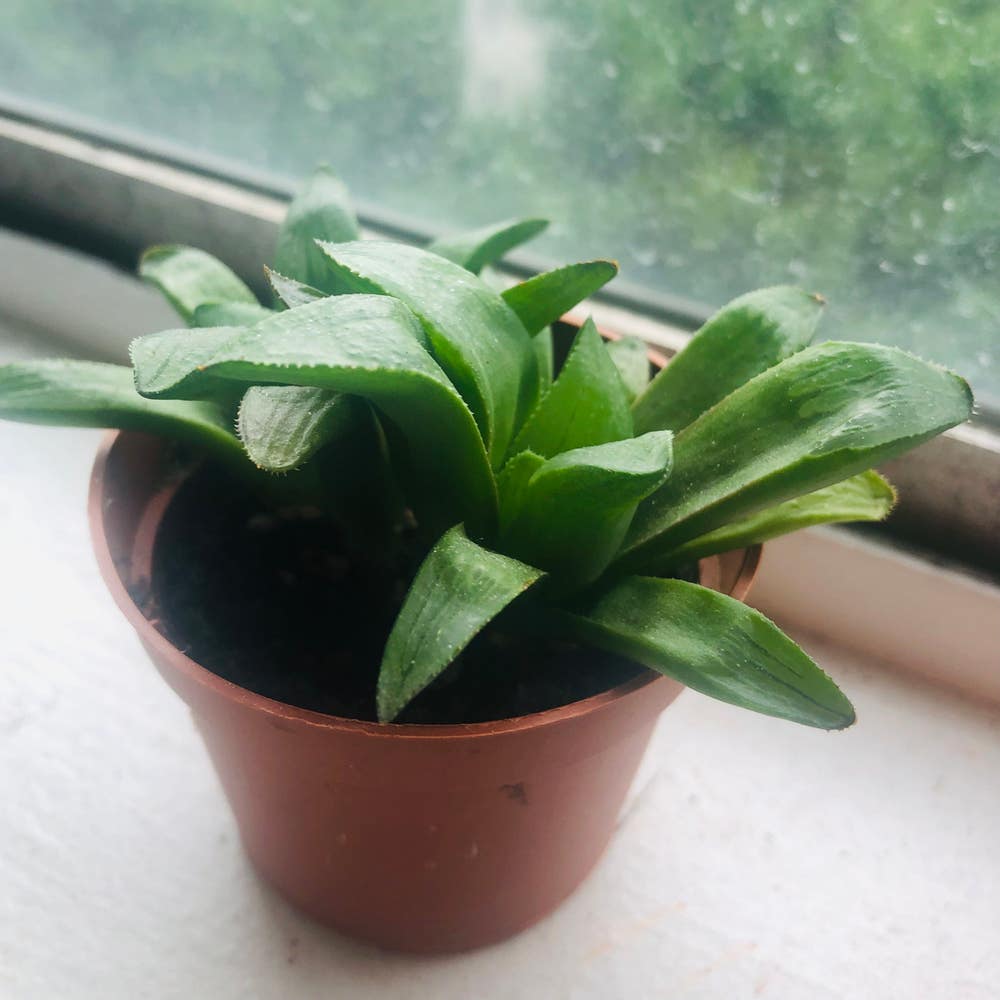
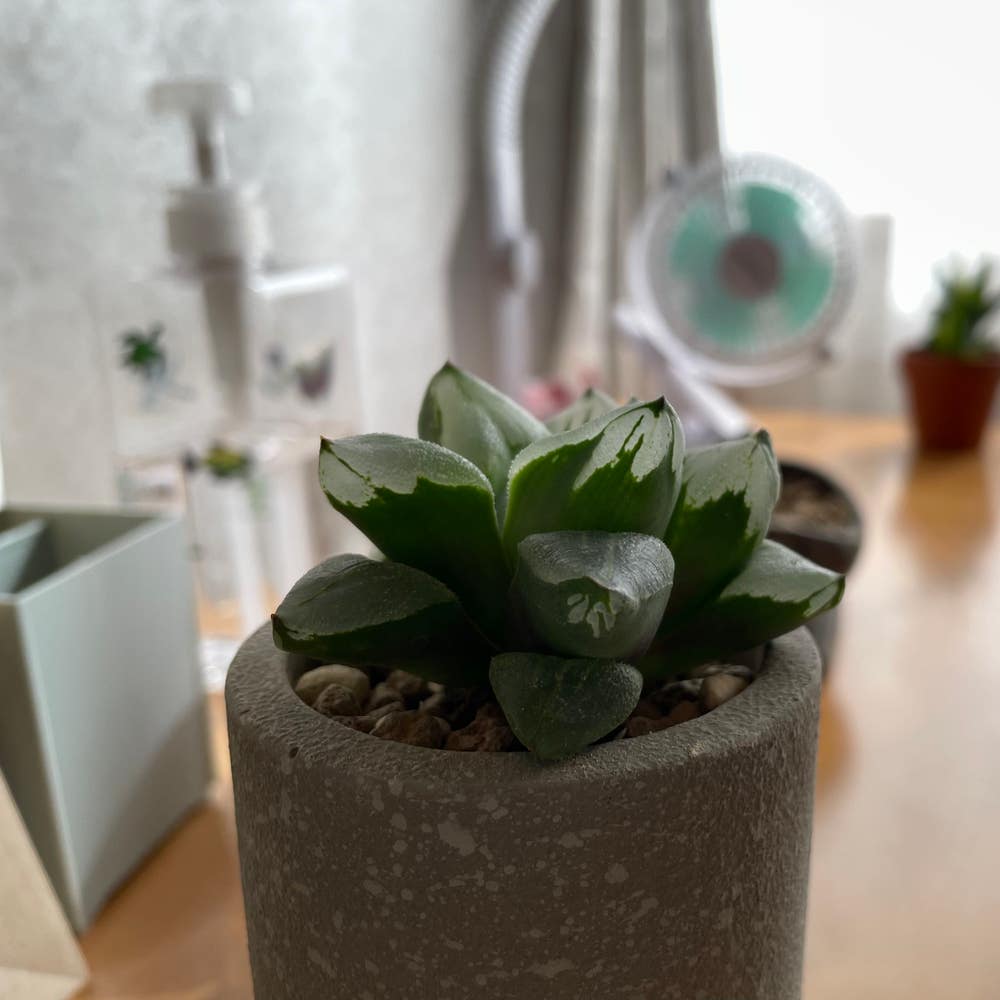
When and Where Should I Trim My Haworthia pygmaea?
Haworthia pygmaea
By the Greg Editorial Team
Feb 13, 2024•4 min read
This article was created with the help of AI so we can cover more plants for you. May contain errors. See one? Report it here.
Trim your Haworthia at the right time 🍂 for a lush, sculpted look that turns heads!
- Spring and fall for pruning, avoiding dormant phase and blooming.
- 🌱 Trim offsets with roots, and remove damaged leaves to prevent disease.
- Use sharp tools; cut at 45°, and ensure cleanliness for disease prevention.
Timing Your Trims: When to Prune
🌱 Seasonal Considerations for Pruning
Spring and fall are the optimal seasons for pruning your Haworthia pygmaea. These periods align with the plant's natural growth spurts, providing a window of opportunity for active healing and vigorous regrowth. Pruning during the dormant phase can be counterproductive, as the plant is conserving energy for the upcoming seasons.
🌿 Growth Cycle Cues
Keep an eye out for active growth signs such as new shoots or leaves. This is the plant's way of signaling that it's ready for a trim. Pruning at this stage can stimulate further growth and help maintain the plant's compact, symmetrical form. Avoid cutting back your Haworthia pygmaea when it's in bloom or immediately after, as this can disrupt its natural flowering cycle and reduce the chances of future blooms.
Spotting the Snip Spots: Where to Trim
🌱 Targeting Offsets and Pups
Offsets, also known as pups, are mini-me's of your Haworthia pygmaea. They're ripe for trimming when they've got a few roots and resemble a tiny version of the parent. Snip them off close to the base for propagation or to keep your plant looking tidy.
✂️ Removing Damaged or Dead Foliage
Leaves that are brown, drooping, or have holes are screaming for a trim. Act fast—remove these leaves with a clean cut to prevent disease and keep your plant looking sharp.
🌿 Controlling Overgrowth
When your Haworthia starts to resemble a mini jungle, it's time to intervene. Trim back any overgrown areas to maintain the plant's compact shape. Keep it natural, or go full Edward Scissorhands to create your own plant sculpture—just avoid cutting more than 25% at a time.
Pruning Like a Pro: Techniques and Tools
🛠️ Choosing Your Tools
Sharpness is your best friend when it comes to pruning Haworthia pygmaea. Dull blades are a no-go; they're more likely to mangle than manicure your succulent. Opt for precision pruners or micro snips that feel like an extension of your hand. Before you start, give those blades a dip in rubbing alcohol or a bleach solution. Think of it as a flu shot for your plant—prevention is better than cure.
✂️ Making the Cut
When you're ready to snip, aim just above a leaf node and cut at a 45-degree angle. This isn't just for aesthetics; it helps the plant shed water and heal faster. It's like cutting your nails—too close to the skin hurts, too far out looks weird. And remember, never more than 25% of the plant at one go. You're giving a haircut, not issuing a baldness decree.
🏥 Aftercare: Ensuring a Speedy Recovery
Post-pruning, your Haworthia pygmaea needs some TLC. Keep it in a stress-free environment—no direct sunlight beating down on its fresh cuts. Water it sparingly; overzealous hydration can lead to rot, and nobody wants that. If you've done your job right, your plant will bounce back with the resilience of a cat with nine lives—minus the furballs.
Troubleshooting Pruning Pitfalls
🛠️ Dealing with Accidental Damage
Oops, you snipped the wrong spot? Don't sweat it. Haworthia pygmaea is resilient. If you've cut too much or damaged the plant, the key is to provide optimal care. Ensure it has the right balance of light and water, and be patient. It'll bounce back with time.
🦠 Preventing Disease After Pruning
Cleanliness is crucial. Post-prune, your Haworthia's open wounds are susceptible to infection. Sterilize your tools before and after use to prevent the spread of disease. If you spot any diseased growth while pruning, remove it immediately and dispose of it away from your other plants. Keep an eye on your plant for signs of distress and act quickly if you notice anything amiss.
⚠️ Safety First
This content is for general information and may contain errors, omissions, or outdated details. It is not medical, veterinary advice, or an endorsement of therapeutic claims.
Always consult a qualified healthcare professional before using any plant as food, medicine, or supplement.
Never eat any plant (or feed one to pets) without confirming its identity with at least two trusted sources.
If you suspect poisoning, call Poison Control (800) 222-1222, the Pet Poison Helpline (800) 213-6680, or your local emergency service immediately.
Spotted an error? Please report it here.
Prune with confidence 🌵 - let Greg guide you with custom reminders and aftercare tips to ensure your Haworthia pygmaea stays in peak shape through the seasons.