Haworthia pygmaea

5.0 out of 5 (1 experiences)
 Fast grower
 Survivor
Also known as
pygmaea x comptoniana
Taxonomy

Haworthia pygmaea
Haworthia
Asphodelaceae
Asparagales

How to care for Haworthia pygmaea
How often to water your Haworthia pygmaea

every 12
Haworthia pygmaea needs 0.5 cups of water every 12 when it doesn’t get direct sunlight and is potted in a 5" pot.
Use our water calculator to personalize watering recommendations to your environment or download Greg for more advanced recommendations for all of your plants.

Water 0.5 cups every
12
Finding light for Haworthia pygmaea in your home

a window
Haworthia pygmaea may have difficulty thriving, and will drop leaves 🍃, without ample sunlight.
Place it less than 3 feet from a south-facing window to maximize the potential for growth.
Select your region to see how the current weather in your area affects the placement of Haworthia pygmaea in your home 🏡.
How to fertilize Haworthia pygmaea

Most potting soils come with ample nutrients which plants use to produce new growth.
By the time your plant has depleted the nutrients in its soil it’s likely grown enough to need a larger pot anyway.
To replenish this plant's nutrients, repot your Haworthia pygmaea after it doubles in size or once a year—whichever comes first.
-
This lil guy has given me 2 blooms back to back, like literally right after the first stalk died off, this guy popped right up after 🥹 I sure hope this a good thing?! 😩💚 #Haworthia #HaworthiaBayeri #HappyPlants #PlantAddict #PlantsMakePeopleHappy #NewGrowth #PropagationStation #SucculentLove #PlantTherapy #BloomingSuccs
-
Haworthia cooperi’s stuck? Hello plant people 🪴 my H. cooperi is doing nothing, again. I was told some time ago that she would start to do something after summer’s dormancy, but now it’s almost winter time here and nothing seems to be happening — except perhaps for a very tiny growth of one of her babies, but nothing exceptional. She’s placed always indoor in the same spot, right near a north-east facing window. Any advice from experts? I’m absolutely astonished by her refusal to give a hint of.. well, something. 😳 #HappyPlants #PlantsMakePeopleHappy #PlantAddict #SucculentLove #Haworthia
-
Tracking Progress? Anyone know how to use the tracking progress feature on this platform? I made my own before and after here. Greggers, check out “Kya” she has been in my family for 6 months now. 🌱🌿🪴🌱🌿 #HappyPlants #PlantsMakePeopleHappy #PlantAddict #NewGrowth #Haworthia
-
This is typically how far my plants are away from my windows...too far? too close? Just want to make sure I'm giving the right amount of light. #echeveria #haworthia #happyplants #plantsmakepeoplehappy
-
I think I have seen this question before but here goes. I am trying to add a new plant. When I take a photo the correct plant is not populating. What can I do? #haworthia rigidas unite #haworthiopsis rigida
-
look at the length of that stalk [ID: haworthia cymbiformis] #HappyPlants #NewGrowth #flowerpower #Haworthia #PlantsMakePeopleHappy #SucculentSquad #SucculentLove
-
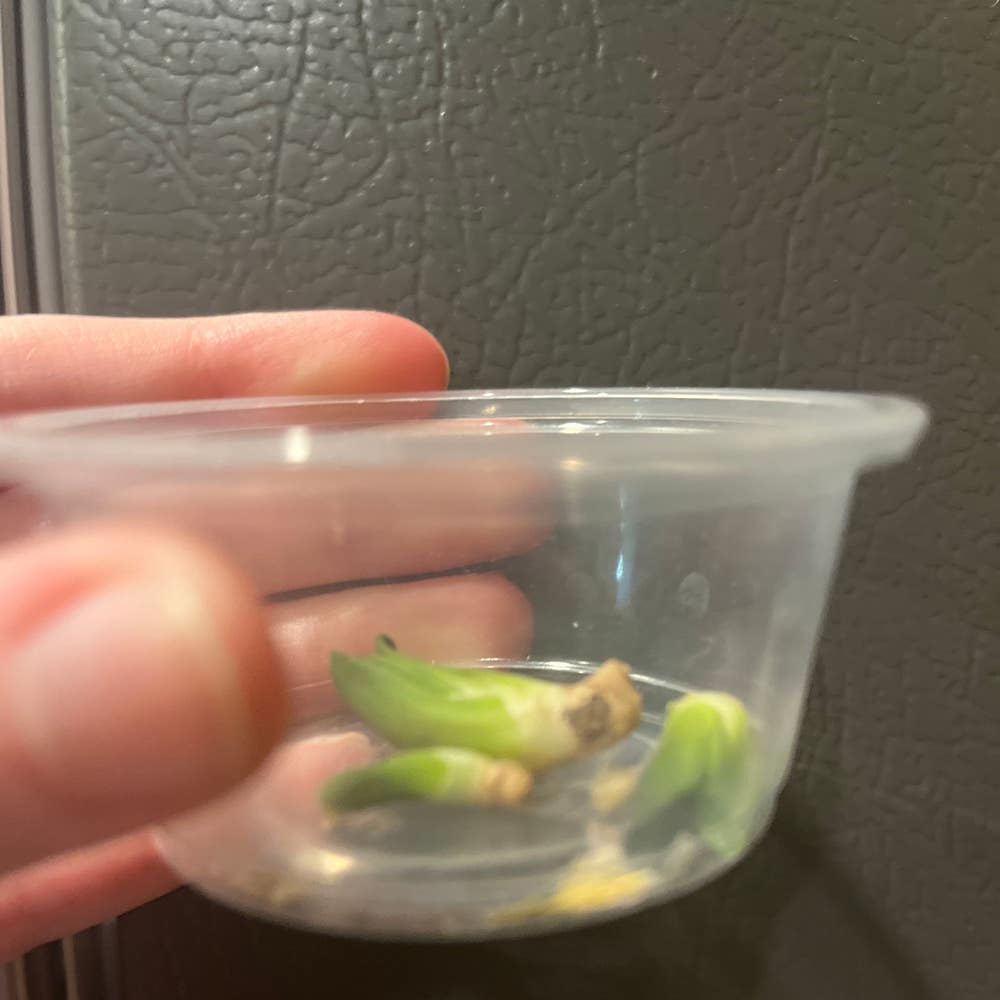
My Star Cactus had pups My star cactus had pups (actually, it came with pups). Four of them had a root each (yes, only one root) and I put them in a separate pot. Three others didn’t have roots. They’re currently in a plastic cup, about 4 feet away from an east facing window and gets indirect light. I got them almost a month ago, and they still don’t have roots. Am I doing this wrong, or does it just take a while? #StarCactus #Haworthia
-
Hi, I have my star cactus at office table which is not near a window. So the light that plant gets from the lights in the hall. Is it enough to grow this ? How do i notice if its not getting enough light ? #Haworthia
-
⛅ It's a partially cloudy, cool month in Los Angeles so I figured this was the best time to acclimate my winter-growers to outdoor sun. I did this last year with my Haworthia Retusa f. geraldii and she bloomed in spring! 🌸 🙌🏽 I'll bring these green bbs inside by south-west window when it starts to get too warm in late spring. 🙂 It's a myth that Haworthias don't like direct sun! —They just need lower temps 40-70 & TLC to adapt to the rays. 🌤️ 💚🤍 #succulentsquad #happyplants #succulentlove #haworthia #zebrawart #chonkyplants #aloe #fatplants #wintergrowth #newgrowth #outdoorgrowing #socalgreg
-
Another ID help post: Greg says this is a Haworthia Pygmaea. Is this accurate? #Haworthia #WhatTheSucc #WhatTheSuccWednesday #PlantAddict #NewPlants #SucculentLove #SucculentSquad



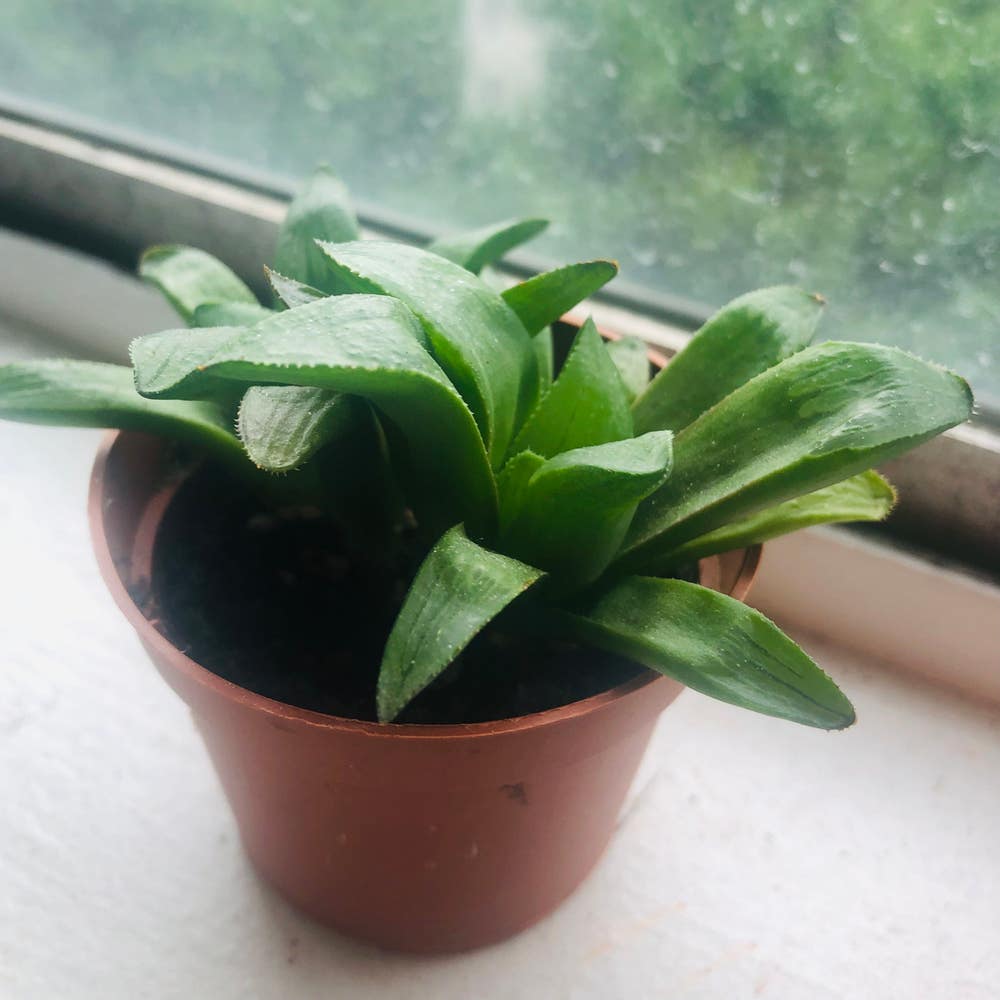
Care Summary for Haworthia pygmaea

Haworthia pygmaea
 Greg recommends:
 Water
Water
0.5 cups every 12 days
 Placement
< 3ft from a window
 Nutrients
Repot after 2x growth
Based on the 4” pot your plant is in, and that it doesn’t get direct sunlight.
What other plant parents say
Fast grower 1
Survivor 1


 01/23/2022
Amazingly easy to take care of and is pet friendly. It grows fast, even in non-direct sunlight.
Fast grower
Survivor
 Trending in your area













 Similar to Haworthia pygmaea
✨ Discover rare plants

Anthurium 'Fantasy Lo…
Philodendron 'Rio'

Christmas Candle

Euphorbia baioensis

Starfish Snake Plant

Miss All-American Bea…

Fernleaf Lavendar

Philodendron eximium

Blue Moon Wisteria
Hoya crassipetiolata

Royal Flush Split Rock

Aeonium 'Blushing Bea…

Euphorbia

Lavandula Pedunculata

Red Mistletoe Cactus

Cleistocactus icosago…

Parrot Pitcher Plant