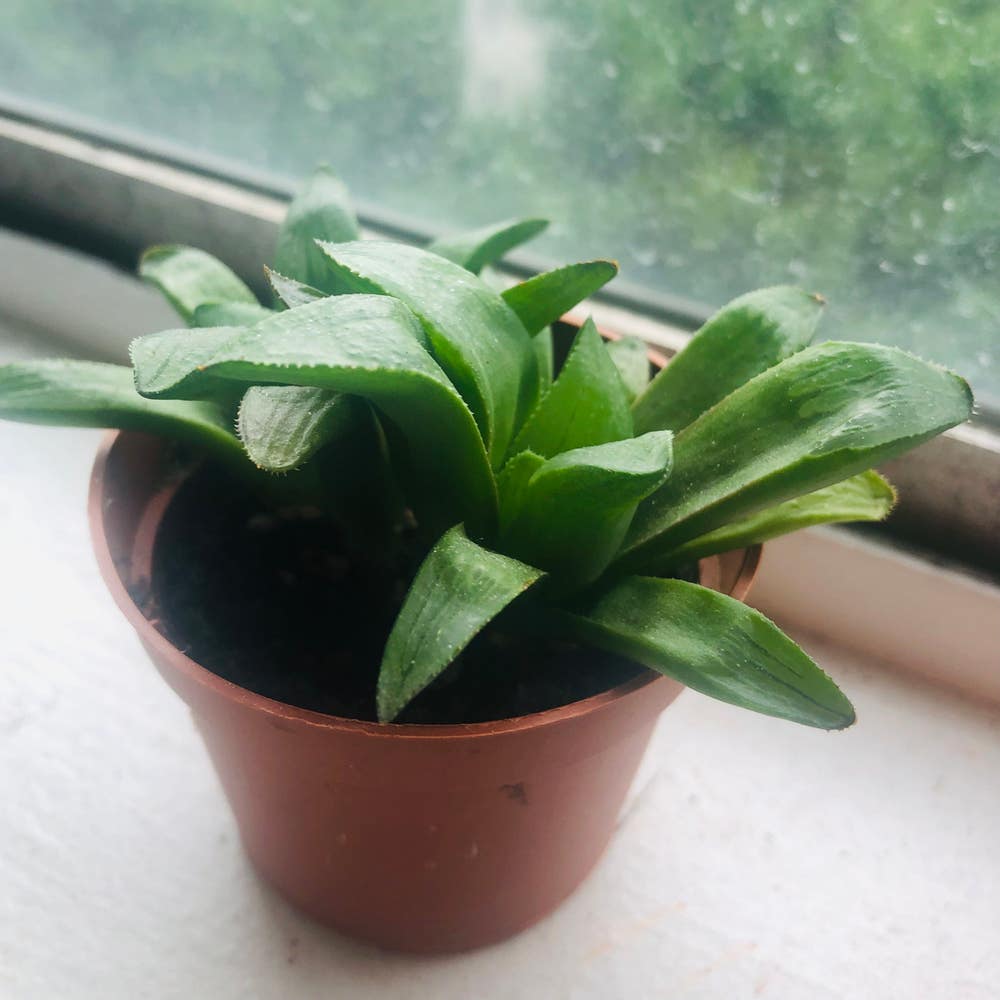
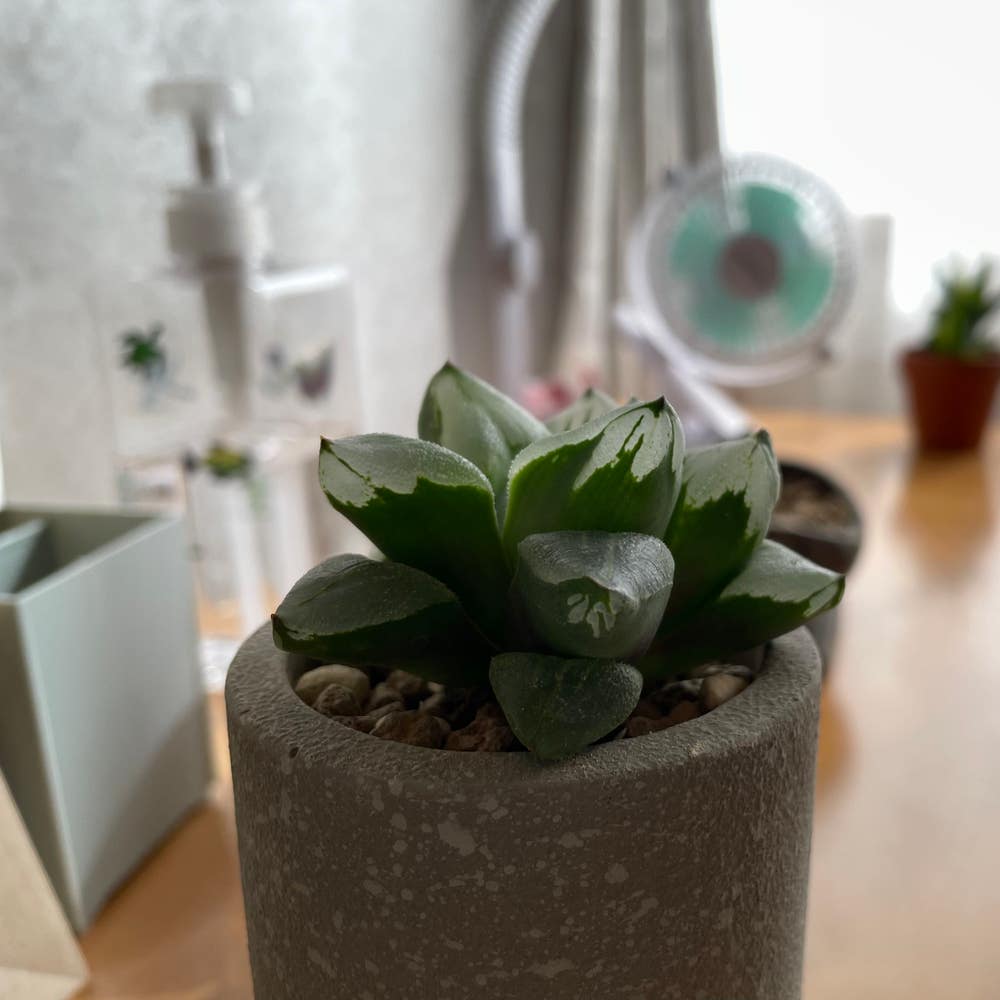
🌵 4 Perfect Times to Plant Pygmy Haworthia
Haworthia pygmaea
By the Greg Editorial Team
Oct 01, 2024•6 min read
This article was created with the help of AI so we can cover more plants for you. May contain errors. See one? Report it here.
Unlock your garden's potential by mastering optimal planting times for Pygmy Haworthia! 🌱
- 🌱 Plant Pygmy Haworthia after the last frost for optimal growth and protection.
- 🌡️ Ideal soil temperature for planting is 65°F to 75°F for best results.
- ☀️ Requires 12-14 hours of light daily for healthy growth and flowering.
Optimal Planting Times
❄️ Frost Dates and Their Importance
Understanding frost dates is crucial for successful planting. These dates mark the last frost in spring and the first frost in fall, guiding when to sow your Pygmy Haworthia seeds.
The recommended planting window is after the last frost date in spring. This timing ensures your plants avoid frost damage and thrive in warmer conditions.
🌡️ Ideal Soil Temperature
For optimal growth, soil temperature should range from 65°F to 75°F (18°C to 24°C). Warm soil is essential for seed germination and robust root development.
To check soil temperature, use a soil thermometer. This simple tool helps you determine if conditions are right for planting.
☀️ Day Length Considerations
Pygmy Haworthia thrives with 12-14 hours of light each day. Adequate light is vital for healthy growth and flowering.
Inadequate light can stunt growth and reduce flowering potential. Ensuring your plants receive enough light will lead to a more vibrant display.
Understanding these optimal planting times will set you up for success. Next, we’ll explore regional planting times to help you choose the best months for your area.
Regional Planting Times
Florida 🌴
The ideal months for planting Pygmy Haworthia in Florida are March to May. The warm climate and minimal frost make this period perfect for growth.
California 🌊
In California, the best planting window stretches from March to June. The state's varied climates, particularly the differences between coastal and inland areas, influence the timing.
Texas 🤠
For Texas gardeners, April to June is the prime time to plant. With hot summers and the risk of late frosts, timing is crucial for successful growth.
New York 🍎
In New York, late May to June is the optimal planting period. Cold winters and late frost dates necessitate careful planning for successful cultivation.
Colorado 🏔️
Colorado's planting window runs from June to July. High elevation and unpredictable weather patterns require attention to local conditions.
Ohio 🌽
Ohio gardeners should aim for late May to June for planting. The humid continental climate presents frost risks, making timing essential for thriving plants.
Understanding these regional planting times helps ensure your Pygmy Haworthia flourishes. Next, let’s explore the differences between indoor and outdoor planting to maximize your gardening success.
Indoor vs. Outdoor Planting
Starting Seeds Indoors 🌱
Starting seeds indoors offers a controlled environment that can significantly boost your success rate. You can manage temperature and light, ensuring optimal conditions for your Pygmy Haworthia.
This method also protects your seedlings from pests and frost, giving them a strong start. By the time you transplant them outdoors, they’ll be robust and ready to thrive.
Direct Sowing Considerations 🌾
Direct sowing can be rewarding, but it requires careful planning. Begin with proper soil preparation, ensuring it’s well-drained and nutrient-rich.
Timing is crucial; plant when conditions are just right to avoid frost damage. Keep a close eye on local weather forecasts to adapt your planting schedule as needed.
Transitioning from indoor to outdoor planting can be seamless if you understand these key factors. Next, let’s explore the various climate variations that affect Pygmy Haworthia growth.
Factors Influencing Timing
🌦️ Climate Variations
Understanding climate zones is crucial for successful Pygmy Haworthia cultivation. These plants thrive in a range of environments, from tropical to temperate, each presenting unique challenges and opportunities.
In tropical climates, consistent warmth and humidity can promote rapid growth. Conversely, temperate zones may experience fluctuations that require careful timing for planting to ensure optimal conditions.
🍂 Seasonal Growth Patterns
Pygmy Haworthia has a natural growth cycle that aligns with seasonal changes. Recognizing this cycle helps you plant at the right time for maximum success.
As seasons shift, so do the plant's needs. For instance, during warmer months, growth accelerates, making it the ideal time for planting. Understanding these patterns can significantly enhance your gardening experience.
With a grasp of climate and seasonal dynamics, you're better equipped to make informed planting decisions. Next, let’s explore the specifics of indoor versus outdoor planting for your Pygmy Haworthia.
Comprehensive Planting Calendar
Planting Calendar for All 52 States 🌱
Creating a planting calendar for Pygmy Haworthia is essential for success. Below is a summary table highlighting the optimal planting months for each state, along with key considerations based on climate and frost dates.
| State | Optimal Planting Months | Key Considerations |
|---|---|---|
| Florida | March to May | Warm climate, minimal frost risk |
| California | March to June | Varied climates; coastal vs. inland |
| Texas | April to June | Hot summers, risk of late frosts |
| New York | Late May to June | Cold winters, late frost dates |
| Colorado | June to July | High elevation, unpredictable weather |
| Ohio | Late May to June | Humid continental climate, frost risks |
This table serves as a quick reference to help you determine the best times to plant based on your location. Remember, local climate conditions can vary significantly, so always check your specific frost dates and seasonal patterns.
Summary of Key Factors 📋
To ensure successful planting of Pygmy Haworthia, keep these key factors in mind:
- Frost Dates: Always plant after the last frost date in spring to avoid damage.
- Soil Temperature: Aim for a soil temperature between 65°F to 75°F (18°C to 24°C) for optimal growth.
- Day Length: Ensure your plants receive 12-14 hours of light for robust growth and flowering.
Understanding these elements is crucial for timing your planting effectively. Regional knowledge is your best ally in achieving thriving Pygmy Haworthia plants.
With this information, you're well-equipped to make informed decisions about when to plant. Next, let’s explore the differences between indoor and outdoor planting methods.
⚠️ Safety First
This content is for general information and may contain errors, omissions, or outdated details. It is not medical, veterinary advice, or an endorsement of therapeutic claims.
Always consult a qualified healthcare professional before using any plant as food, medicine, or supplement.
Never eat any plant (or feed one to pets) without confirming its identity with at least two trusted sources.
If you suspect poisoning, call Poison Control (800) 222-1222, the Pet Poison Helpline (800) 213-6680, or your local emergency service immediately.
Spotted an error? Please report it here.
Maximize your Pygmy Haworthia's potential by planting at the perfect time, and let Greg's custom reminders 📅 guide you to thriving success in any climate!