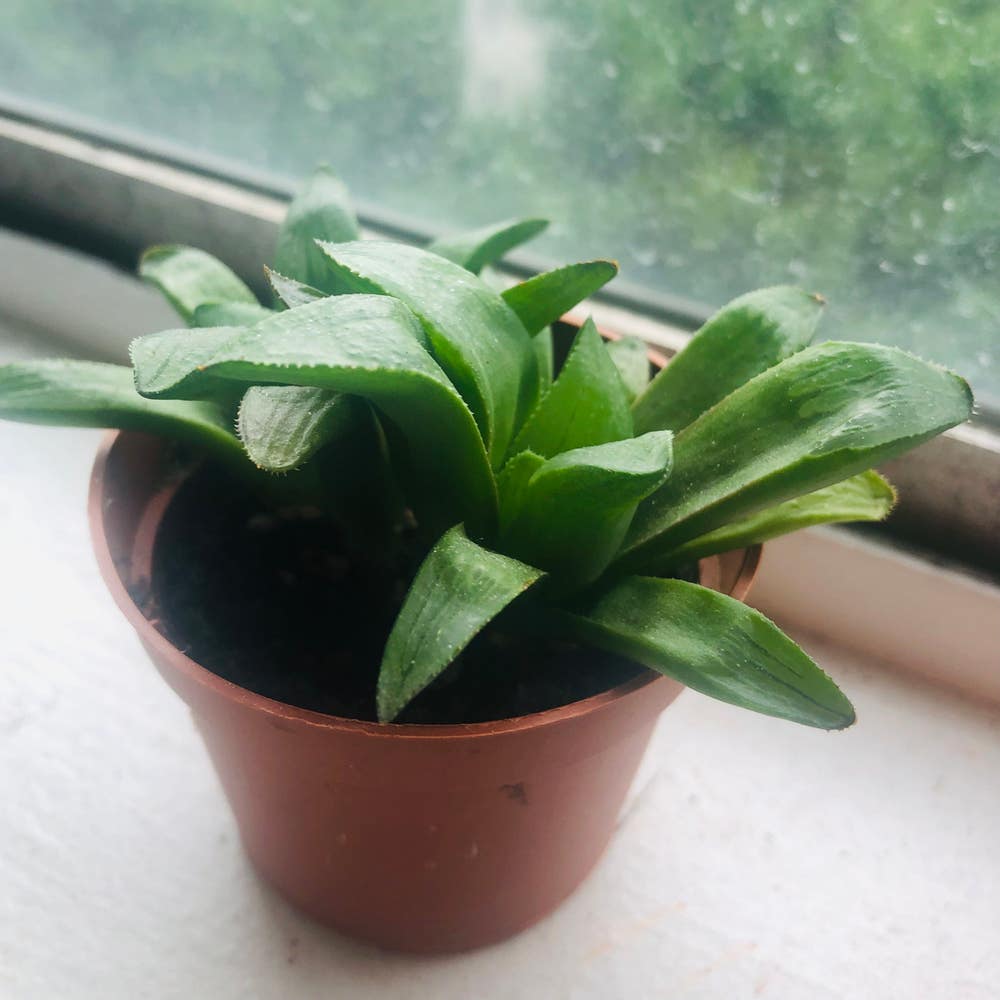
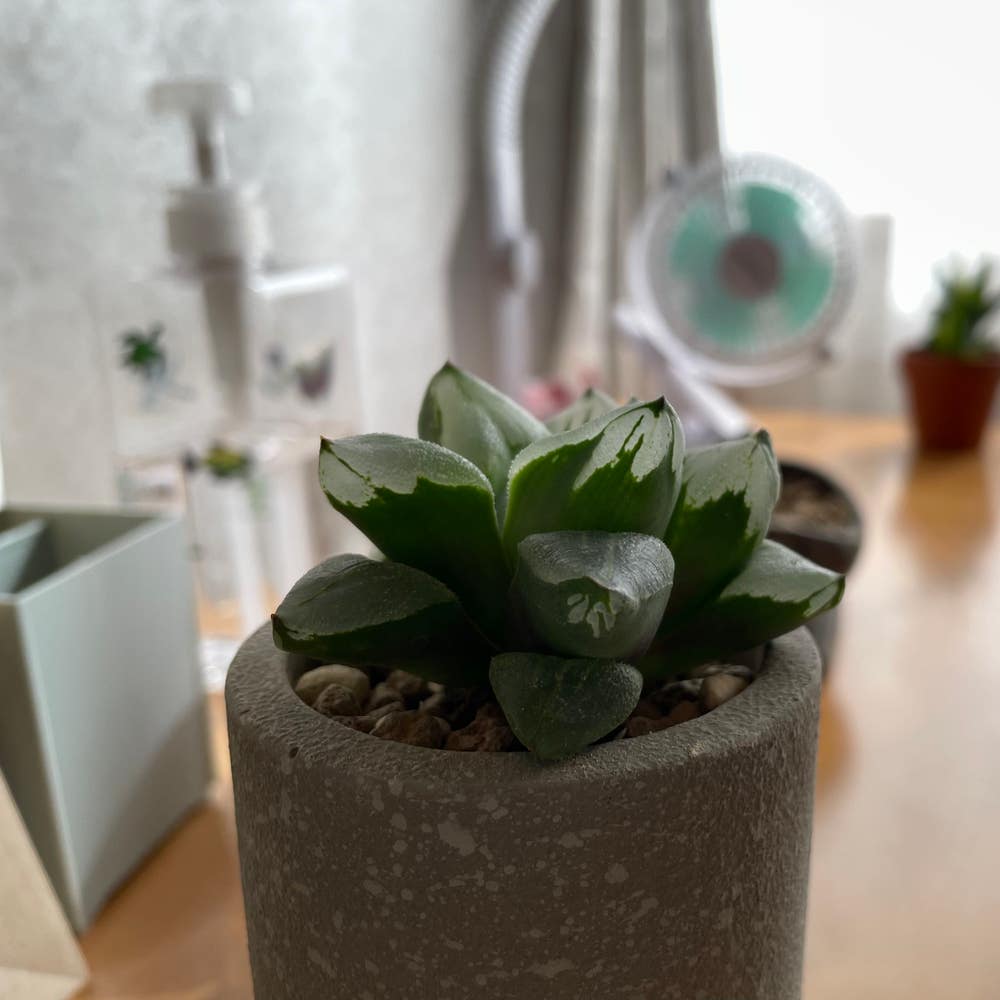
🌵 Pygmy Haworthia Varieties that Belong in Your Collection
Haworthia pygmaea
By the Greg Editorial Team
Oct 01, 2024•4 min read
This article was created with the help of AI so we can cover more plants for you. May contain errors. See one? Report it here.
Unlock the charm of Pygmy Haworthia 🌟 and transform your collection with these rare and unique succulents!
- 🌱 Pygmy Haworthia varieties offer unique shapes and colors, perfect for collectors.
- 🌟 Notable cultivars like 'Little Jewel' and 'Haworthia truncata' enhance any collection.
- 💡 Proper care and light are essential for thriving Pygmy Haworthia plants.
Popular Cultivars
🌟 Notable Cultivars
Pygmy Haworthia 'Little Jewel'
This cultivar features a compact rosette shape and a deep green color that makes it a standout in any collection. Its translucent leaf windows add a unique touch, allowing light to filter through beautifully.
Pygmy Haworthia 'Haworthia truncata'
Known for its distinctive flat-topped leaves, this variety offers a striking visual appeal. The unique leaf shape and growth habit make it a conversation starter among succulent enthusiasts.
Pygmy Haworthia 'Warty'
With its textured leaves adorned with warty protrusions, 'Warty' is truly eye-catching. This cultivar's unusual appearance draws attention and adds character to your plant collection.
These notable cultivars not only enhance the aesthetic of your space but also bring a sense of joy and curiosity. As you explore these varieties, you'll find that each has its own personality and charm, making them perfect additions to your collection.
Rare and Unique Varieties
🌟 Examples of Rare Varieties
Pygmy Haworthia 'Haworthia cooperi'
Pygmy Haworthia 'Haworthia cooperi' is a gem among collectors. Its small rosettes feature translucent leaf tips that catch the light beautifully, making it a standout in any collection.
This variety is rarely found in cultivation, adding to its allure. If you manage to get your hands on one, consider yourself lucky!
Pygmy Haworthia 'Haworthia limifolia'
Another unique variety is Pygmy Haworthia 'Haworthia limifolia'. It boasts a distinctive leaf shape and coloration that sets it apart from other succulents.
However, its limited availability in the market makes it a true treasure for enthusiasts. Keep an eye out for this one; it’s worth the hunt!
These rare varieties not only enhance your collection but also spark conversations among fellow plant lovers. As you explore the world of Pygmy Haworthia, remember that each unique specimen tells its own story.
Next, let’s dive into hybrid varieties that combine the best traits of different species!
Hybrid Varieties
Hybrid Pygmy Haworthia varieties offer a fascinating blend of characteristics from their parent species. These unique plants can bring an exciting twist to any collection.
🌱 Pygmy Haworthia 'Haworthia x turgida'
This hybrid is a cross between two distinct species, resulting in a captivating plant. Its unusual leaf shapes and vibrant colors make it a standout choice for enthusiasts.
🎨 Pygmy Haworthia 'Haworthia x venosa'
Known for its striking variegation, this hybrid showcases enhanced color variations that can brighten up any display. The combination of hues adds depth and interest, making it a must-have for collectors.
Hybrid varieties not only diversify your collection but also spark curiosity about their origins. As you explore these unique plants, you'll appreciate the artistry of nature in every leaf.
Next, let’s delve into the color variations and size differences among Pygmy Haworthia, which can further enrich your collection.
Color Variations and Size Differences
Common Color Variations 🌈
Pygmy Haworthia come in a stunning array of colors. You'll find deep greens that evoke a sense of tranquility, alongside variegated forms featuring striking white or cream accents.
These plants also showcase unique patterns, including stripes, spots, and translucent areas that catch the light beautifully. Each cultivar offers its own visual charm, making them a delightful addition to any collection.
Size Differences 📏
When it comes to size, Pygmy Haworthia varieties can vary significantly. Most popular cultivars typically grow to just a few inches tall, while some may reach slightly larger dimensions.
Understanding these size differences is crucial for planning your collection. It allows you to create a balanced display that highlights each plant's unique characteristics without overcrowding your space.
Collecting Pygmy Haworthia
🌱 Tips for Building a Collection
Building a diverse Pygmy Haworthia collection starts with selecting a variety of cultivars. Aim for a mix of shapes, sizes, and colors to create visual interest.
Understanding the care requirements for each type is crucial. Different cultivars may have unique needs regarding light, water, and soil, so do your homework before adding them to your collection.
🔍 Where to Find Rare Varieties
To discover rare Pygmy Haworthia varieties, specialty nurseries are your best bet. These places often carry unique specimens that you won't find in big-box stores.
Online retailers and plant shows are also great sources. When purchasing rare varieties, always verify their authenticity by checking reviews or asking for provenance.
🎨 Display Ideas for Pygmy Haworthia
Showcasing your miniature succulents can be a fun and creative endeavor. Consider using terrariums, shallow bowls, or even wall-mounted displays to highlight their beauty.
Remember to consider light and space when arranging your plants. Pygmy Haworthia thrive in bright, indirect light, so position them accordingly for optimal growth.
Collecting Pygmy Haworthia can be a rewarding journey. With the right strategies and a bit of creativity, you'll create a stunning collection that reflects your passion for these unique plants.
⚠️ Safety First
This content is for general information and may contain errors, omissions, or outdated details. It is not medical, veterinary advice, or an endorsement of therapeutic claims.
Always consult a qualified healthcare professional before using any plant as food, medicine, or supplement.
Never eat any plant (or feed one to pets) without confirming its identity with at least two trusted sources.
If you suspect poisoning, call Poison Control (800) 222-1222, the Pet Poison Helpline (800) 213-6680, or your local emergency service immediately.
Spotted an error? Please report it here.
Discover the charm of Pygmy Haworthia 🌟 and let Greg guide you with personalized care tips to ensure your unique collection thrives beautifully!