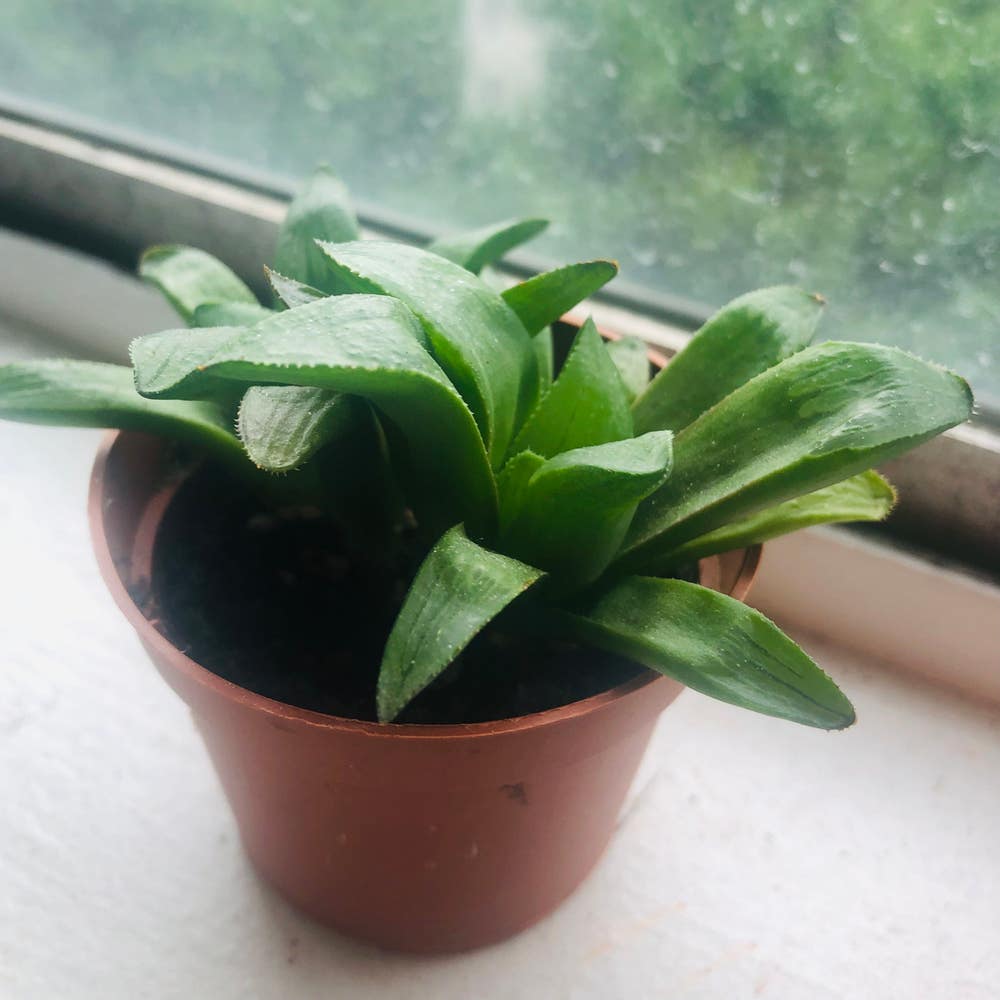
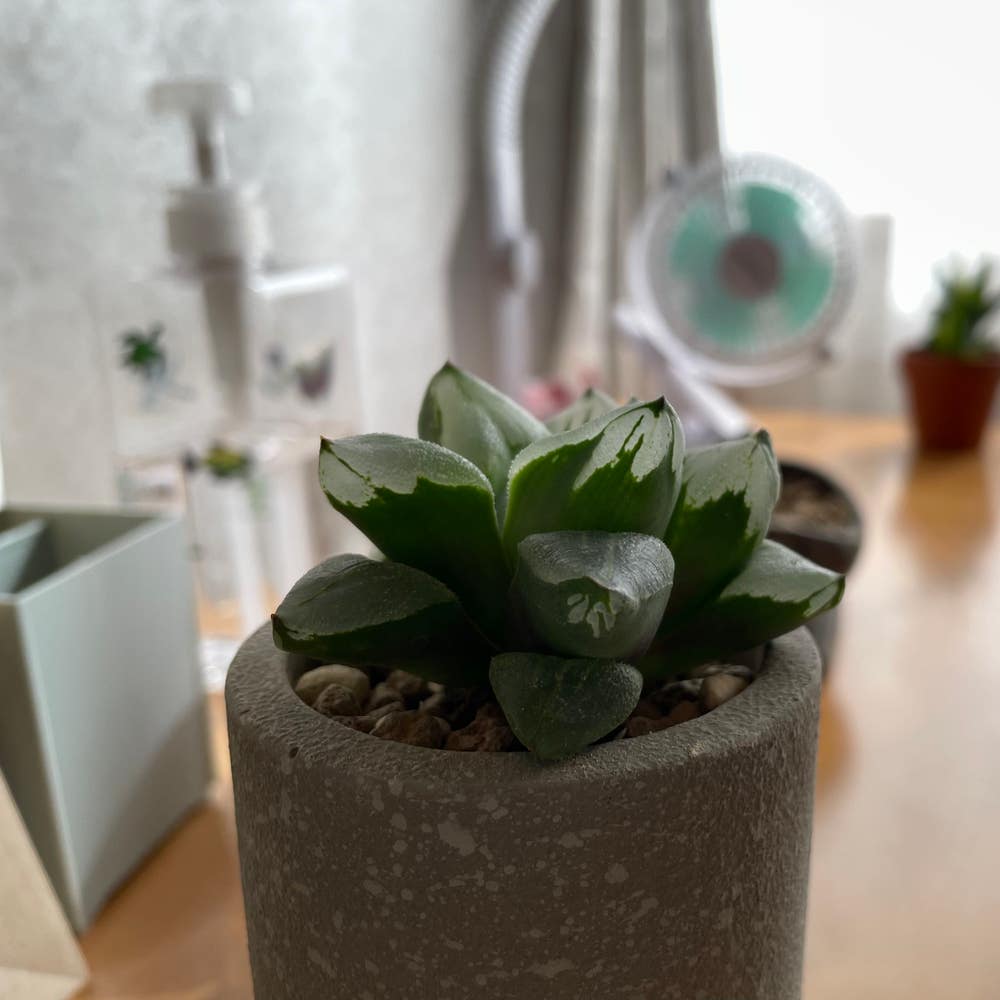
🌵 What to Know About Growing Your Pygmy Haworthia Outdoors
Haworthia pygmaea
By the Greg Editorial Team
Oct 01, 2024•5 min read
This article was created with the help of AI so we can cover more plants for you. May contain errors. See one? Report it here.
Unlock the secrets to thriving Pygmy Haworthia 🌱 care outdoors and elevate your gardening game!
- 🌞 Pygmy Haworthia needs 4-6 hours of bright, indirect sunlight daily for optimal growth.
- 💧 Water every 2-3 weeks, ensuring soil dries completely to prevent root rot.
- 🌱 Use well-draining soil and fertilize in spring and summer for best results.
Outdoor Care Requirements
🌞 Sunlight Needs and Optimal Light Conditions
Pygmy Haworthia thrives in bright, indirect sunlight for about 4-6 hours daily. While it can tolerate partial shade, low light conditions may lead to leggy growth.
💧 Watering Requirements and Frequency
Water your Pygmy Haworthia every 2-3 weeks during the growing season. Watch for signs of overwatering, such as yellowing leaves or a mushy texture, and always allow the soil to dry out completely between waterings.
🌱 Soil Preferences and Composition
For optimal growth, use a well-draining succulent or cactus mix. Enhance drainage with perlite or coarse sand, and aim for a pH level between 6.0 to 7.0, which is slightly acidic to neutral.
🌼 Fertilization Guidelines
Fertilize your plant once in spring and again in summer to support its growth. A diluted liquid cactus fertilizer or a balanced NPK fertilizer works best during these active growing seasons.
With these outdoor care requirements in mind, you’ll be well-equipped to nurture your Pygmy Haworthia. Next, let’s explore the different planting options available for this resilient succulent.
Planting Options
Container Planting: Benefits and Drawbacks 🌱
Container planting offers several advantages for growing your Pygmy Haworthia. First, it provides mobility, allowing you to easily move the plant to optimize sunlight exposure or protect it from harsh weather.
Additionally, you have complete control over soil quality and drainage, which is crucial for the health of your succulent. However, there are some drawbacks to consider. Limited root space can restrict growth, making it essential to choose an appropriately sized container.
Moreover, container plants require more frequent watering since they dry out faster than in-ground plants. Balancing these factors will help you make the best choice for your Pygmy Haworthia.
In-Ground Planting: Benefits and Drawbacks 🌍
In-ground planting presents a more natural growth environment for your Pygmy Haworthia. One significant benefit is the ample space for roots to expand, promoting healthier growth.
Additionally, in-ground plants typically need less frequent watering due to the moisture retention of the surrounding soil. However, this method isn't without its challenges. Your plant may be more vulnerable to pests and diseases lurking in the soil.
Furthermore, you have less control over soil conditions, which can affect your plant's health. Weighing these pros and cons will help you decide the best planting option for your specific situation.
As you consider these planting options, think about how they align with your gardening goals and local conditions. This will set the stage for successful outdoor care of your Pygmy Haworthia.
Protection from Environmental Factors
🌧️ Weather Protection Strategies
Protecting your Pygmy Haworthia from extreme weather is crucial for its health. During cold snaps, cover your plants with frost cloth or bring them indoors to shield them from frost damage.
In hot weather, providing shade is essential to prevent leaf scorch. Consider using shade cloth or positioning your plants where they receive filtered sunlight during the hottest parts of the day.
🐞 Pest Management: Common Outdoor Pests and Solutions
Outdoor pests can be a nuisance for your Pygmy Haworthia. Common culprits include aphids, mealybugs, and spider mites, which can quickly damage your plants if left unchecked.
To combat these pests, use neem oil or insecticidal soap for effective treatment. Regular inspections are key; catching infestations early can save your plants from significant harm.
🦠 Disease Prevention and Treatment
Diseases like root rot and leaf spot can threaten your Pygmy Haworthia's vitality. To prevent these issues, ensure proper drainage and avoid overwatering, as soggy soil is a breeding ground for rot.
If you notice affected leaves, remove them promptly to prevent the spread of disease. Keeping your plants healthy requires vigilance, but the rewards are well worth the effort.
With these protective measures in place, your Pygmy Haworthia will thrive, ready to face the elements and pests alike. Next, let’s explore how seasonal changes impact your care routine.
Seasonal Care
🌱 Seasonal Changes and Their Impact on Care
Spring is a time of renewal for your Pygmy Haworthia. As temperatures rise, increase watering and kick off fertilization to support its growth.
In summer, keep a close eye on pests and ensure your plant gets enough sunlight. This is crucial for maintaining its health during the warmer months.
As fall approaches, it's time to reduce watering since growth slows down. Start preparing your plant for the winter months ahead.
❄️ Winter Care Tips
Winter can be tough on your Pygmy Haworthia, so protecting it from frost is essential. Use mulch or cover your plants during cold nights to shield them from harsh conditions.
Adjust your watering routine as well; reduce the frequency to prevent root rot. This will help your plant survive the winter and thrive come spring.
With these seasonal care tips, your Pygmy Haworthia will be well-equipped to handle the changing weather. Next, let’s explore how climate zones affect your growing strategy.
Climate Zone Considerations
🌍 Identifying Suitable Climate Zones
To thrive, Pygmy Haworthia prefers USDA zones 9-11. These zones provide the warm temperatures it loves, ideally above 10°C (50°F).
☀️ Adjusting Care Based on Local Climate Conditions
In hot climates, increase watering frequency and offer afternoon shade to prevent stress. Conversely, in cooler areas, ensure proper winter protection and adequate drainage to keep your plant healthy.
🌱 Tips for Growing in Less-Than-Ideal Climates
Container gardening is a game-changer, allowing you to move your Pygmy Haworthia as needed. Additionally, consider planting near walls or structures to create microclimates that offer warmth and protection.
With the right climate considerations, your Pygmy Haworthia can flourish beautifully outdoors. Next, let’s explore seasonal care to keep your plant thriving throughout the year.
⚠️ Safety First
This content is for general information and may contain errors, omissions, or outdated details. It is not medical, veterinary advice, or an endorsement of therapeutic claims.
Always consult a qualified healthcare professional before using any plant as food, medicine, or supplement.
Never eat any plant (or feed one to pets) without confirming its identity with at least two trusted sources.
If you suspect poisoning, call Poison Control (800) 222-1222, the Pet Poison Helpline (800) 213-6680, or your local emergency service immediately.
Spotted an error? Please report it here.
Transform your outdoor space into a Pygmy Haworthia paradise 🌿 with Greg's personalized watering reminders and expert care tips to keep your plant thriving all season long!