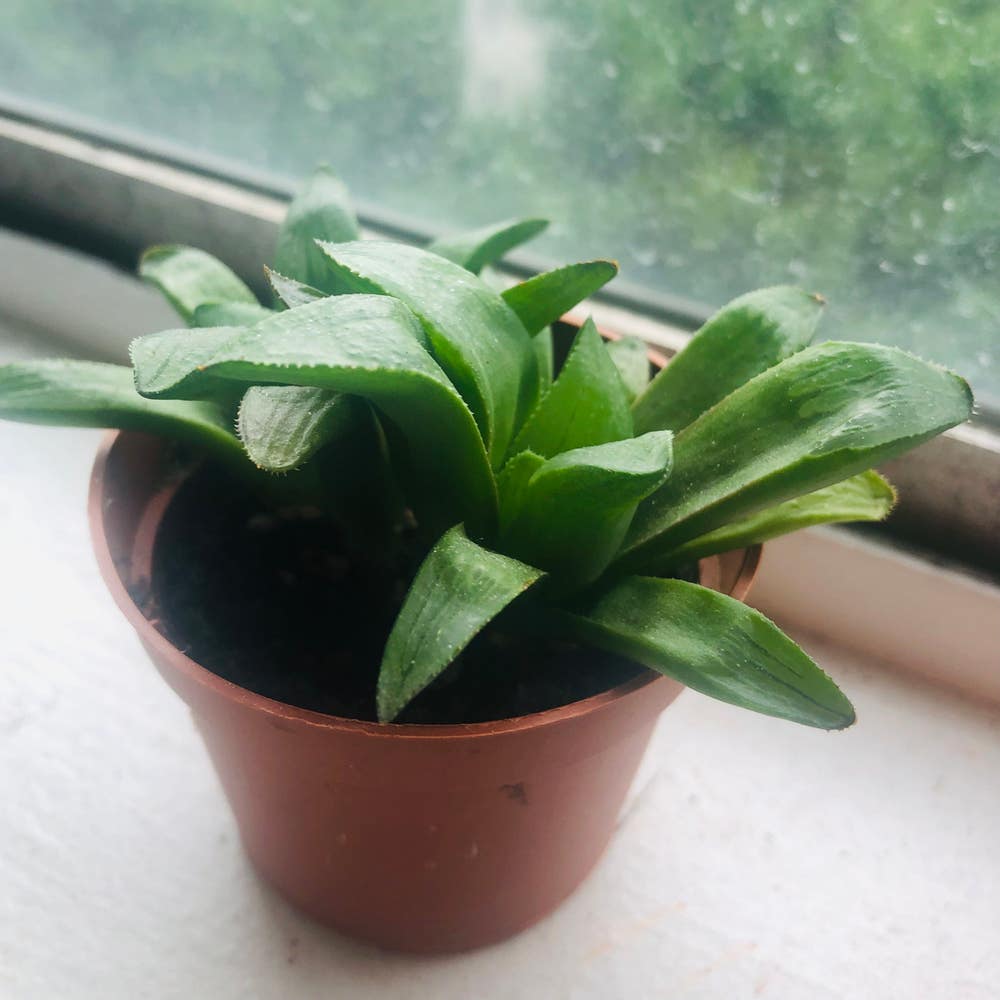
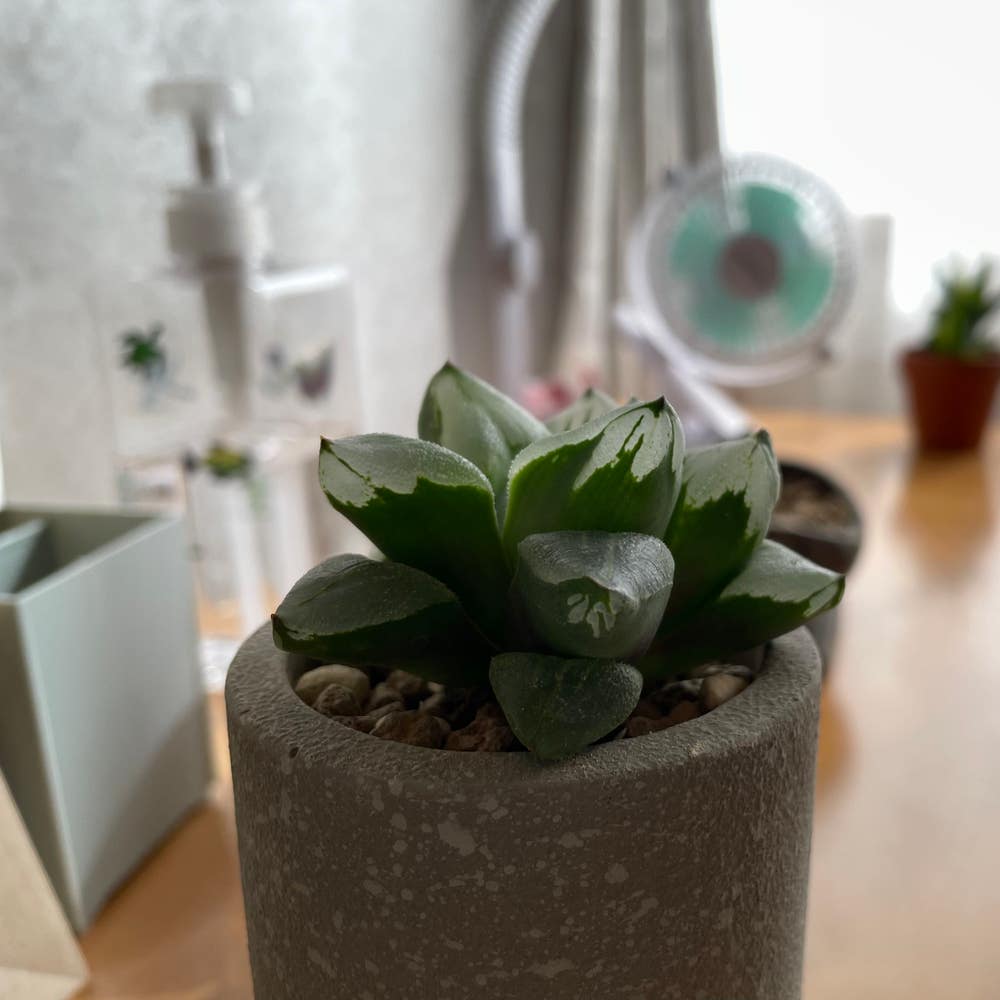
Should I Repot My Haworthia pygmaea And If So, How?
Haworthia pygmaea
By the Greg Editorial Team
Feb 13, 2024•4 min read
This article was created with the help of AI so we can cover more plants for you. May contain errors. See one? Report it here.
Ensure your Haworthia pygmaea's zest for life 🌿 by mastering the timely art of repotting.
- Roots peeking out? Time to repot your Haworthia pygmaea.
- 🌱 Terracotta pots preferred for airflow and root health.
- Spring repotting aligns with natural growth cycles.
Spotting the Tell-Tale Signs It's Time to Repot
🌱 Root Tango: When Roots Out-Dance the Pot
Roots should stay underground, but when they start peeking out of drainage holes, it's a clear distress signal. This root tango indicates your Haworthia pygmaea is too big for its britches—or pot, to be precise.
📉 Growth Pains: Sluggish Growth and Other SOS Signals
If your plant's growth has hit a snail's pace, it's not just being lazy. It's likely screaming for a new home. Other signs include a top-heavy plant that's ready to tip over or soil that dries out faster than your enthusiasm on a Monday morning.
🌸 Seasonal Timing: Picking the Perfect Time to Repot
Spring is your plant's version of a fresh start. This season is the ideal time to repot, aligning with the plant's natural growth spurt. Don't miss this window—your Haworthia will thank you with vigorous growth.
Picking the Perfect Pot: Material Matters
🏺 Terracotta vs. Plastic vs. Ceramic: The Great Debate
Terracotta, the classic choice, breathes like a yogi, wicking excess moisture away and preventing root rot. Plastic, the budget-friendly option, holds onto water like a camel, which can be a boon or bane depending on your watering habits. Ceramic pots, the stylish contenders, strike a balance but can weigh down your shelf—and your wallet.
💨 Breathability and Drainage: Why It's a Big Deal for Haworthia
Breathability is a big deal for Haworthia; it's like choosing the right running shoes for a marathon. Terracotta offers the best airflow, preventing soggy soil conditions. Drainage isn't just a buzzword; it's your plant's lifeline. Without it, expect a swampy mess and a sad, root-rotten Haworthia.
📏 Size Wise: Finding the Right Fit for Your Plant
Size matters. A pot too large, and your Haworthia may drown in soil expanse; too small, and it's cramped like a clown car. Aim for a pot that gives your plant a one-inch growth buffer all around. This isn't just about comfort—it's about providing the right environment for healthy root expansion.
The Repotting Rundown: A Step-by-Step Guide
🛠️ Prep Work: Setting the Stage for a Smooth Transition
Before diving into the repotting process, assemble your tools: a new pot, fresh succulent potting mix, and sterilized scissors. Lay out old newspapers to catch any mess. Ensure the new pot has a drainage hole to prevent waterlogged roots.
🌱 The Gentle Uproot: Safely Extracting Your Plant
Water your Haworthia lightly the day before repotting to make the roots more cooperative. Tip and rotate the pot, encouraging the plant to loosen its grip. If needed, slide a knife around the inner edge to help detach the roots, but keep it gentle—no yanking.
🔍 Root Review: Inspecting and Pruning for a Fresh Start
Once free, examine the root ball with a critical eye. Trim dead or long roots to encourage vigorous growth. Use this time to evict any pests. Remember, clean cuts are crucial, so keep those scissors sterile.
🏡 Homecoming: Nestling Your Haworthia in Its New Abode
Place a mesh or pottery shard over the pot's drainage hole to keep the soil from escaping. Add a layer of potting mix, then position your Haworthia. Fill in around the roots with more mix, tapping the pot to settle the soil. Water thoroughly to help your plant settle, but don't drown it. Keep an eye on moisture levels and adjust as needed.
Immediate Aftercare: Helping Your Haworthia Settle In
💧 The First Watering: When and How Much?
Watering your Haworthia pygmaea after repotting is a delicate affair. Hold off on the hydration for a few days to allow the roots to recover from the shock of moving. When it's time, water sparingly—think 50ml around the pot's edge once a week, and avoid turning the soil into a swamp. Remember, this succulent is more camel than fish; it thrives on less.
🌞 Light and Temperature: Creating a Cozy Recovery Spot
Post-repotting, your Haworthia pygmaea shouldn't be sunbathing. Bright, indirect light is the sweet spot, shielding it from the harsh midday sun that could scorch its delicate leaves. As for temperature, think comfortably roomy, not a tropical getaway. A stable environment will help your plant ease back into its growth groove.
👀 Monitoring and Adjusting: Keeping an Eye on Your Plant's Health
Vigilance is your new best friend. Watch for signs of distress like yellowing leaves, which could signal overwatering, or wilting, hinting at thirst. Adjust your care routine based on what you observe. And don't be shy to whisper some words of encouragement—your Haworthia might appreciate the pep talk as it settles into its new home.
⚠️ Safety First
This content is for general information and may contain errors, omissions, or outdated details. It is not medical, veterinary advice, or an endorsement of therapeutic claims.
Always consult a qualified healthcare professional before using any plant as food, medicine, or supplement.
Never eat any plant (or feed one to pets) without confirming its identity with at least two trusted sources.
If you suspect poisoning, call Poison Control (800) 222-1222, the Pet Poison Helpline (800) 213-6680, or your local emergency service immediately.
Spotted an error? Please report it here.
Ensure your Haworthia pygmaea's roots flourish 🌱 with Greg's tailored reminders for the perfect repotting time and tips from this guide.