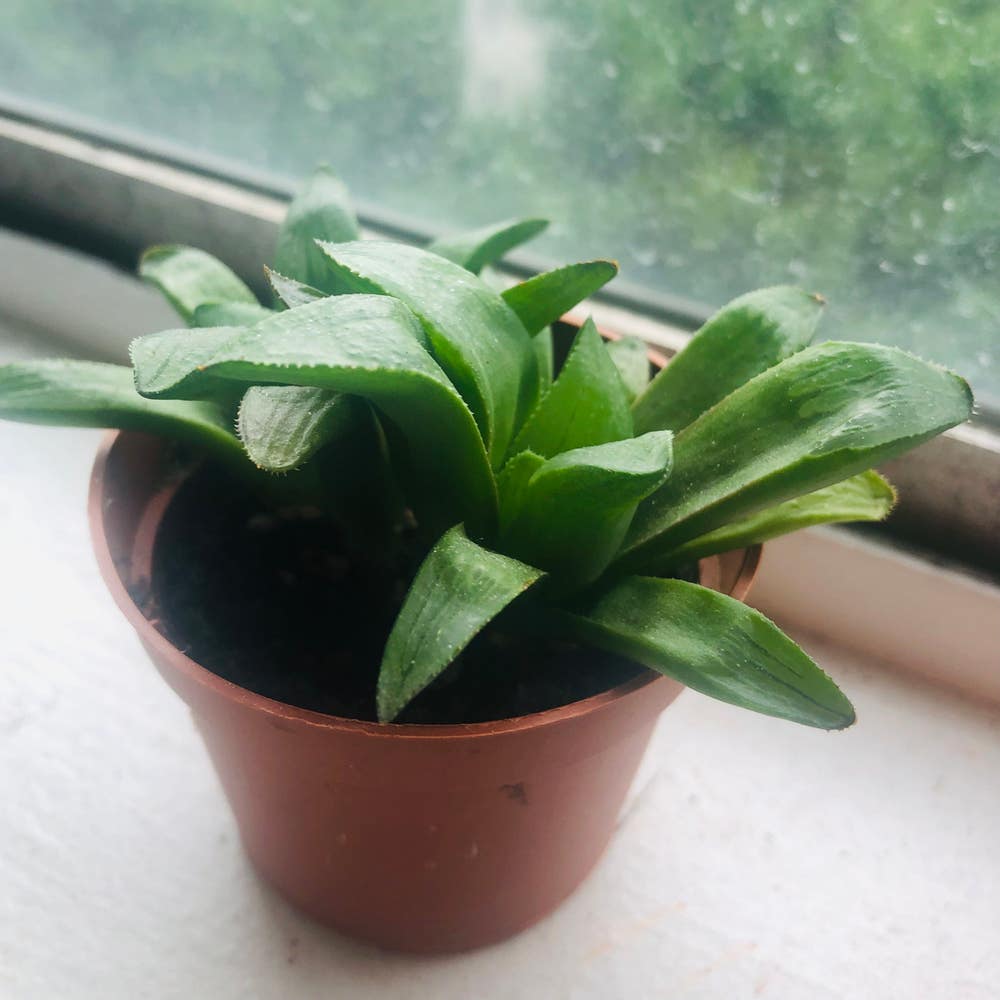
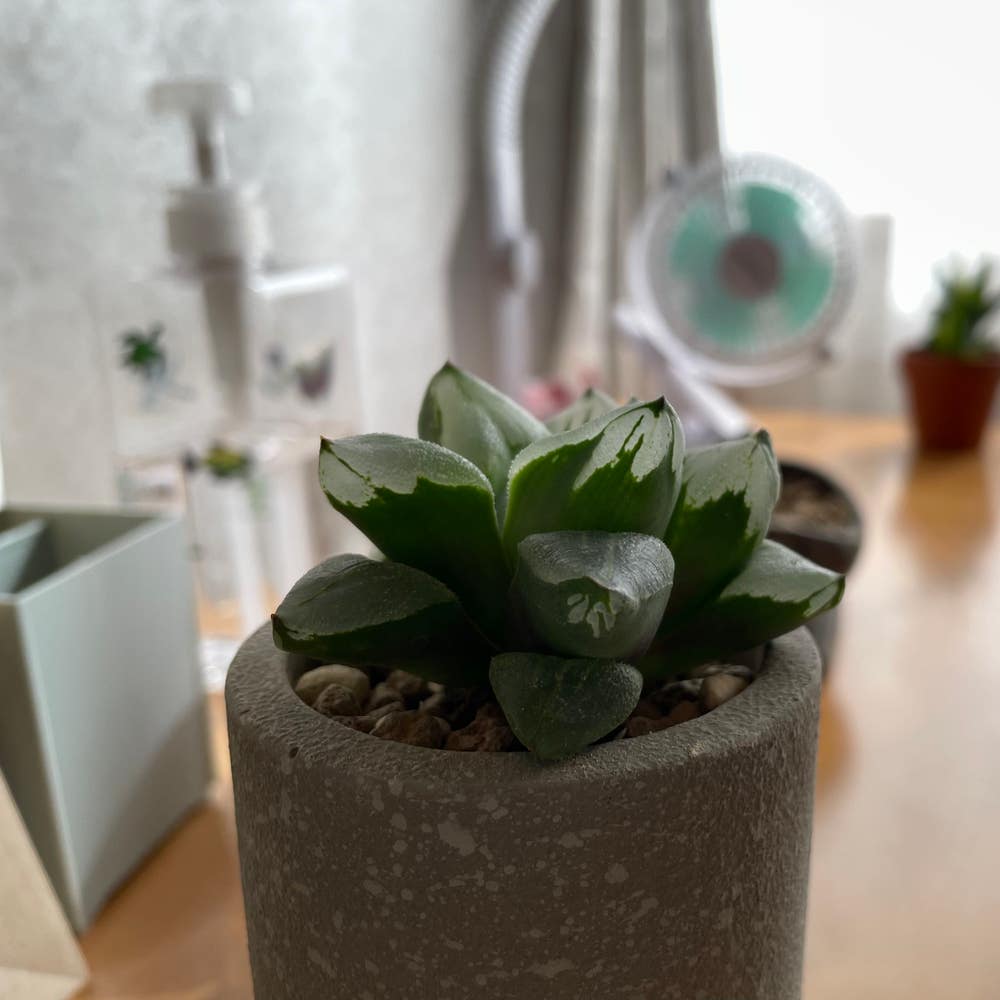
6 Perfect Pot Styles for Pygmy Haworthia 🪴
Haworthia pygmaea
By the Greg Editorial Team
Oct 01, 2024•6 min read
This article was created with the help of AI so we can cover more plants for you. May contain errors. See one? Report it here.
Unlock your Pygmy Haworthia's full potential 🌱 by mastering the art of pot size and material selection!
- 🌱 Choose pot sizes wisely: 2-4 inches for seedlings, 6-8 inches for mature plants.
- 🏺 Material matters: Clay offers breathability, while plastic retains moisture—know your needs!
- 💧 Drainage is crucial: Ensure pots have 1-2 holes to prevent root rot.
Pot Sizes for Different Growth Stages
🌱 Importance of Pot Size
Choosing the right pot size for your Pygmy Haworthia is crucial for its growth and health. Each growth stage requires a specific container size to ensure optimal root development and stability.
🌿 Seedlings
For seedlings, a container size of 2-4 inches in diameter is ideal. A snug fit helps promote healthy root development, allowing the plant to establish itself effectively.
🌳 Juvenile Plants
As your Pygmy Haworthia matures into a juvenile plant, it will need a slightly larger pot, typically 4-6 inches in diameter. This size allows for growth while maintaining the stability necessary to support the plant.
🌼 Mature Plants
Once your plant reaches maturity, opt for a pot size of 6-8 inches in diameter. This ensures adequate space for its shallow root system, allowing the plant to thrive without feeling cramped.
📏 General Rule
A good rule of thumb is to increase the pot size by 1-2 inches in diameter as your plant grows. This gradual transition helps maintain a healthy environment for your Pygmy Haworthia throughout its life stages.
Understanding the importance of pot size can significantly impact your plant's health. With the right container, your Pygmy Haworthia will flourish, setting the stage for the next topic: ideal pot materials.
Ideal Pot Materials
🌱 Clay Pots
Clay pots are a popular choice for Pygmy Haworthia due to their breathable nature. This material helps regulate moisture, which is crucial for preventing overwatering.
However, they come with a couple of downsides. Clay pots are heavier than other options and can break easily if mishandled.
🪴 Plastic Pots
Plastic pots are lightweight and affordable, making them a practical choice for many plant enthusiasts. They come in various sizes, which is great for accommodating different growth stages.
On the flip side, plastic pots are less breathable. They may retain moisture longer, which could lead to root issues if not monitored closely.
🍂 Terracotta Pots
Terracotta pots excel in drainage, making them ideal for succulents like Pygmy Haworthia. Their aesthetic appeal adds a touch of charm to any plant display.
That said, terracotta can dry out quickly. This means you'll need to water more frequently, so keep an eye on your plant's moisture levels.
⚖️ Comparison of Materials
Here's a quick comparison of the three pot materials:
| Material | Benefits | Drawbacks |
|---|---|---|
| Clay | Breathable, moisture regulation | Heavy, can break easily |
| Plastic | Lightweight, affordable, various sizes | Less breathable, retains moisture |
| Terracotta | Excellent drainage, aesthetically pleasing | Dries out quickly, requires frequent watering |
Choosing the right pot material is essential for the health of your Pygmy Haworthia. Each option has its pros and cons, so consider your plant's needs and your own preferences before making a decision.
Next, let’s dive into the importance of drainage considerations for your pots.
Drainage Considerations
Importance of Drainage Holes 🌊
Proper drainage is crucial for the health of your Pygmy Haworthia. Without drainage holes, water can accumulate, leading to root rot and other issues.
For pots under 6 inches, aim for at least 1-2 drainage holes. This simple feature can make a significant difference in maintaining a healthy root system.
Recommended Drainage Solutions 💧
To ensure optimal drainage, use a potting mix specifically designed for succulents. This type of mix typically allows for better airflow and moisture control.
Consider adding perlite or pumice to your potting mix. These materials enhance drainage and prevent soil compaction, which is vital for your plant's health.
Additionally, think about using pot feet or trays to elevate your pots. Elevation promotes airflow and helps prevent water from pooling at the bottom, further protecting your plant's roots.
By focusing on these drainage considerations, you can create a thriving environment for your Pygmy Haworthia. Next, we’ll explore the ideal pot materials that complement these drainage solutions.
Repotting Guidelines
🕒 When to Repot Pygmy Haworthia
Repotting your Pygmy Haworthia is essential for its health. Aim to repot every 1-2 years or whenever you notice signs of overcrowding.
Spring or early summer is the best time for this task. The warmer weather encourages growth and helps your plant settle into its new home.
🛠️ Step-by-Step Guide to Repotting
Prepare the New Pot: Ensure it has drainage holes and is filled with a suitable potting mix designed for succulents.
Remove the Plant: Gently take the plant out of its old pot. Loosen the soil around the edges carefully to avoid damaging the roots.
Inspect the Roots: Check for any dead or rotting roots. Trim them away to promote healthy growth.
Place the Plant in the New Pot: Center the plant in the new pot and fill in with fresh soil, ensuring it’s secure.
Water Lightly: After repotting, water the plant lightly to help settle the soil. Avoid overwatering right after repotting to prevent root rot.
Repotting can seem daunting, but with these steps, you’ll ensure your Pygmy Haworthia thrives in its new environment. Next, let’s explore common mistakes to avoid in pot selection.
Common Mistakes in Pot Selection
Overly Large or Small Pots 🌱
Choosing the right pot size is crucial for your Pygmy Haworthia's health. Oversized pots can lead to water retention issues, which may cause root rot, while undersized pots can stunt growth and bind roots.
Ignoring Drainage Needs 🚰
Drainage is a non-negotiable aspect of pot selection. Poor drainage can result in root rot and fungal issues, so always check for adequate drainage holes before making a purchase.
Choosing Inappropriate Materials 🏺
The material of your pot matters more than you might think. Non-breathable materials can lead to overwatering and compromise root health, so opt for materials that suit succulents and the specific growth habits of Pygmy Haworthia.
By avoiding these common pitfalls, you can create a thriving environment for your plants. Next, let’s explore the importance of drainage considerations to keep your Pygmy Haworthia happy and healthy.
⚠️ Safety First
This content is for general information and may contain errors, omissions, or outdated details. It is not medical, veterinary advice, or an endorsement of therapeutic claims.
Always consult a qualified healthcare professional before using any plant as food, medicine, or supplement.
Never eat any plant (or feed one to pets) without confirming its identity with at least two trusted sources.
If you suspect poisoning, call Poison Control (800) 222-1222, the Pet Poison Helpline (800) 213-6680, or your local emergency service immediately.
Spotted an error? Please report it here.
Elevate your Pygmy Haworthia's growth with the perfect pot choice 🪴, and let Greg guide you with tailored tips and reminders for a thriving plant environment!