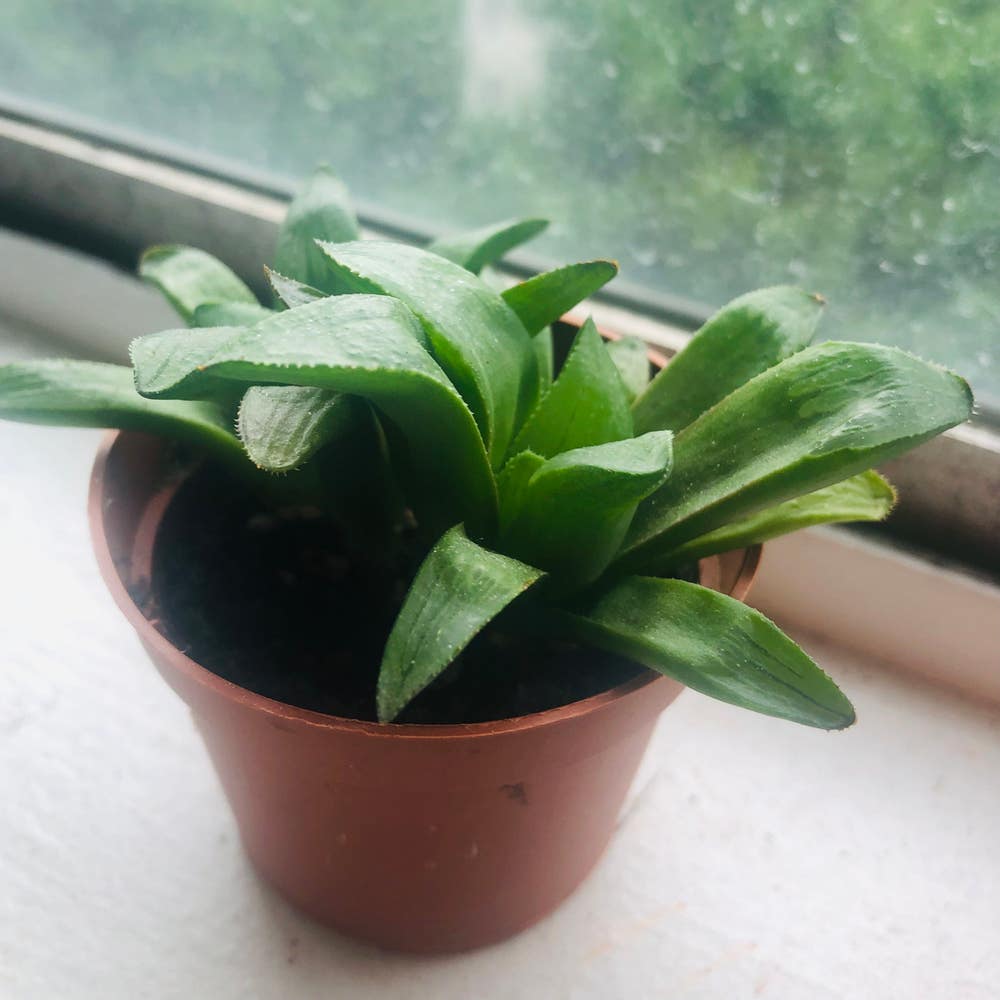
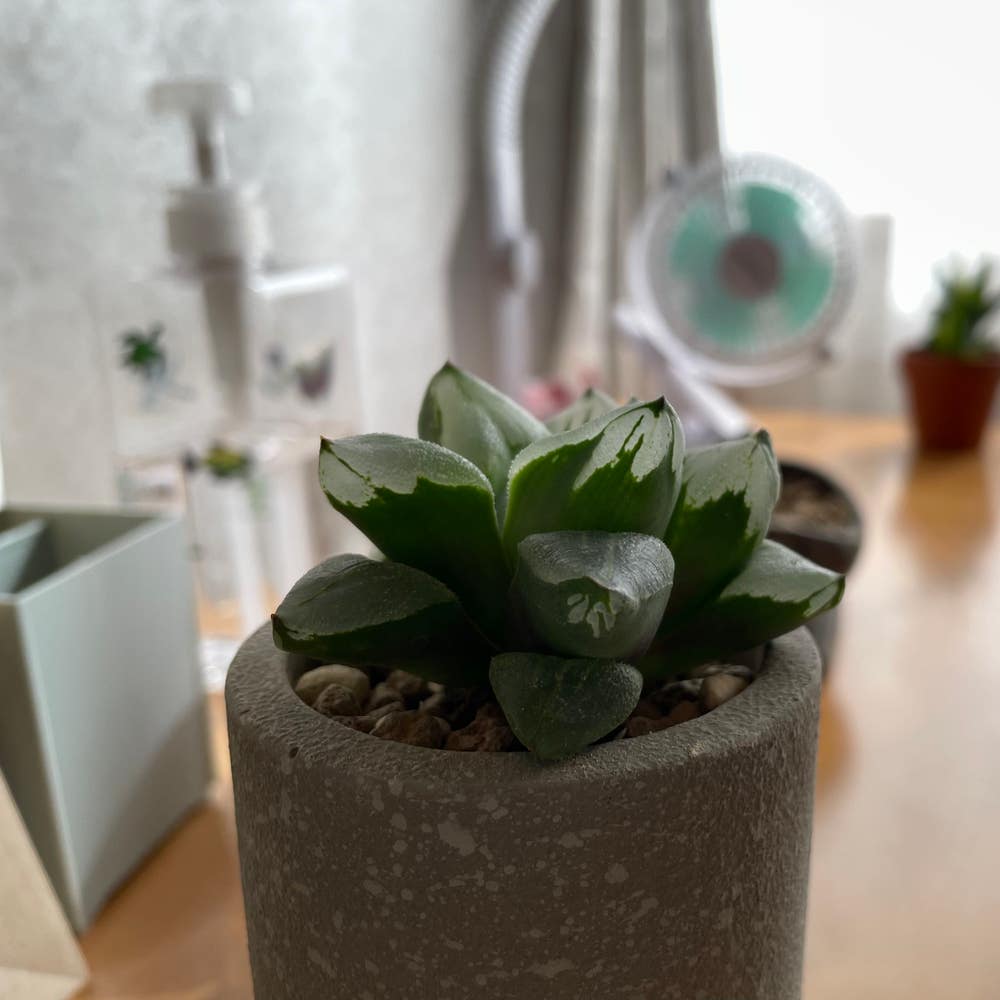
Why Are My Haworthia pygmaea Leaves Droopy?
Haworthia pygmaea
By the Greg Editorial Team
Feb 13, 2024•4 min read
This article was created with the help of AI so we can cover more plants for you. May contain errors. See one? Report it here.
Save your sagging Haworthia pygmaea and restore its perky leaves with these essential care tips! 🌵💧
- Overwatering and underwatering cause mushy yellow and crispy wilted leaves, respectively.
- Proper pot and soil are crucial: repot every 2-3 years and choose terracotta with drainage.
- Bright, indirect light and 22-35°C keep Haworthia pygmaea leaves perky and healthy.
Pinpointing the Culprit: Common Causes of Droopy Leaves
💦 Overwatering Woes
Yellow, mushy leaves? That's the hallmark of overwatering. Haworthia pygmaea is no fan of wet feet; too much water and the roots drown in their own home.
🏜️ Underwatering Symptoms
Conversely, if your plant's leaves resemble crispy fall foliage, it's a clear cry for water. Underwatering leaves your succulent as wilted as a forgotten houseplant, desperate for a drink.
🚰 Drainage Disasters
Poor drainage is a silent killer. It's not just about how much you water, but where it goes. If water sits around like an unwanted guest, you'll soon find your Haworthia's roots gasping for air in a waterlogged grave.
First Aid for Droopy Leaves
🌊 Rescuing Overwatered Haworthia
Overwatered Haworthia pygmaea? Act fast. First, stop watering and let the soil dry. Check the drainage hole for blockages and clear them. If roots have turned to mush, it's time to trim with sterilized shears. Repot in a gritty, well-draining mix to give your plant a fresh start. Remember, less is more when it comes to water.
💧 Reviving Underwatered Haworthia
Underwatered? Rehydrate with care. Start by slowly watering the plant, ensuring even moisture reach to the roots. If the soil is bone-dry, consider a bottom soak by placing the pot in a tray of water. This allows for even absorption without overwhelming your plant. Establish a consistent watering routine, checking the soil's dryness before each drink.
Soil and Pot Considerations
🌱 Assessing Soil Health
Soil is your Haworthia pygmaea's lifeline, influencing leaf perkiness. If your plant's leaves are more slouch than starch, it's time to evaluate the soil. Soggy, compacted, or depleted soil can lead to droopiness. Change your Haworthia's soil when it feels more swamp than savannah, typically every 2-3 years, or sooner if root rot is suspected.
🏺 Choosing the Right Pot
Pot size and material are critical for a thriving Haworthia. A pot too large invites moisture mayhem; too small, and roots get claustrophobic. Aim for a pot 1-2 inches larger than the root ball. Terracotta or unglazed ceramic pots are your best bet, offering breathability and reducing the risk of overwatering. Repotting? Ensure it's a snug, not strangled, fit and don't forget those drainage holes.
Light and Temperature: Getting the Balance Right
🌞 The Light Factor
Haworthia pygmaea thrives in bright, indirect light. Too much direct sunlight can cause stress and leaf yellowing, while too little can lead to a lackluster appearance. Adjust your plant's position to ensure it receives the ideal amount of light without being exposed to harsh rays.
🏜️ Adjusting Indoor Light Exposure
Indoors, place your Haworthia near a window where it can bask in filtered sunlight. If natural light is scarce, consider a grow light setup, ensuring about 12 hours of artificial light per day. Watch for signs like stretching or color changes, and tweak the setup accordingly.
🛡️ Acclimating to Outdoor Light
When moving your plant outdoors, start in complete shade and gradually introduce it to more light over a week or two. This helps prevent shock from sudden changes in light intensity. Always retreat to shade if signs of stress appear.
🌡️ Temperature Tolerance
Haworthia pygmaea prefers temperatures between 22-35°C (71-95°F). Consistency is key; avoid placing your plant in areas with drafts or direct heat sources, which can lead to temperature fluctuations and stress.
🚰 Managing Temperature Indoors
Keep the room at a steady temperature, ideally within the plant's preferred range. Steer clear of air conditioning vents and heaters to maintain a stable environment.
⛅️ Protecting from Temperature Extremes
Extreme temperatures can be detrimental. During cold months, ensure your plant is not near cold windows. In the heat, shield it from the intense midday sun that can elevate temperatures excessively.
⚠️ Safety First
This content is for general information and may contain errors, omissions, or outdated details. It is not medical, veterinary advice, or an endorsement of therapeutic claims.
Always consult a qualified healthcare professional before using any plant as food, medicine, or supplement.
Never eat any plant (or feed one to pets) without confirming its identity with at least two trusted sources.
If you suspect poisoning, call Poison Control (800) 222-1222, the Pet Poison Helpline (800) 213-6680, or your local emergency service immediately.
Spotted an error? Please report it here.
Ensure your Haworthia pygmaea leaves stay perky 🌱 with Greg's personalized care reminders for the right water, light, and soil conditions.