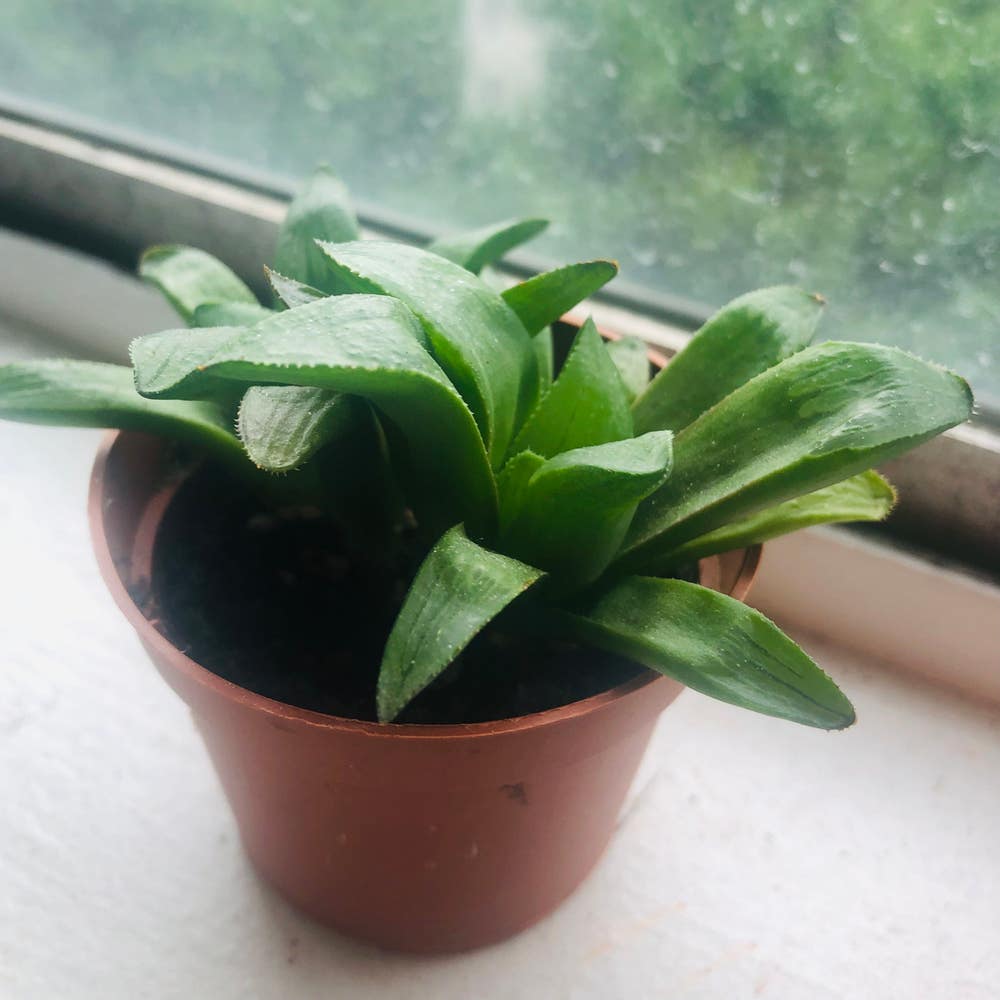
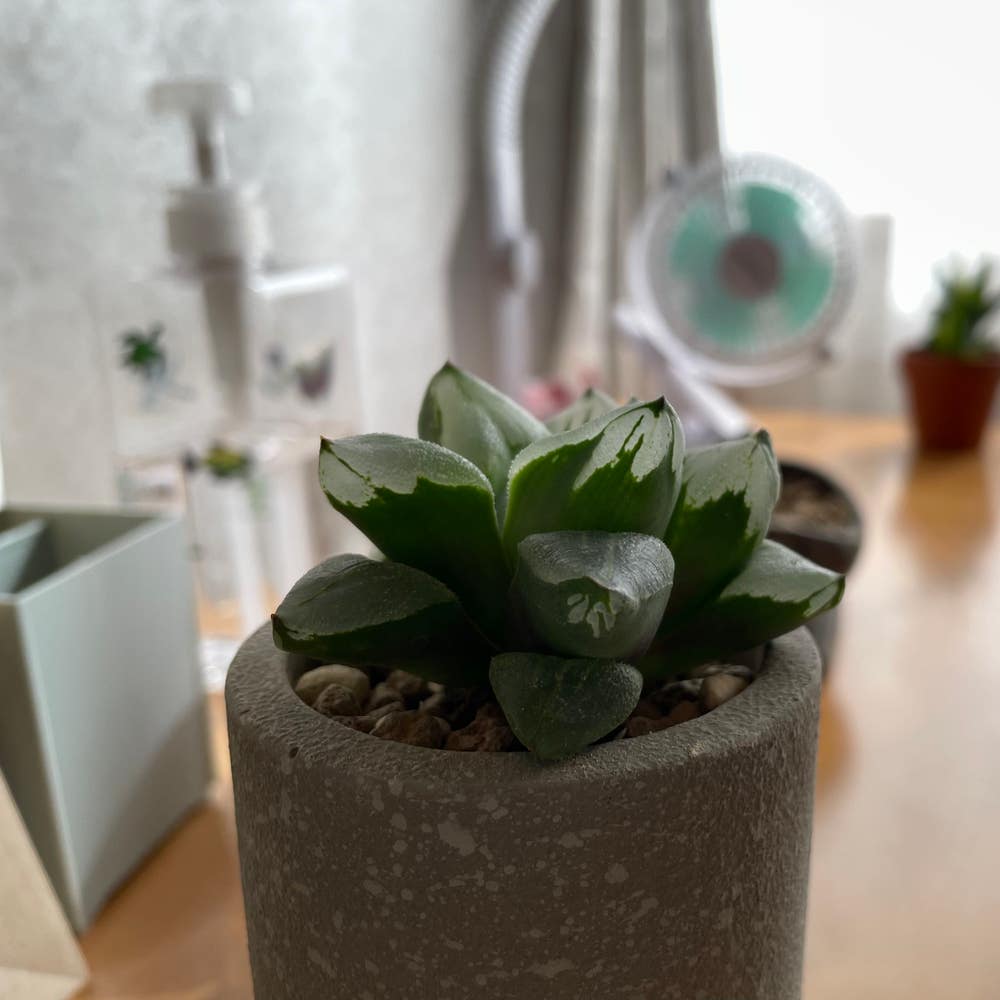
6 Tips for Growing Pygmy Haworthia 🌵
Haworthia pygmaea
By the Greg Editorial Team
Oct 01, 2024•7 min read
This article was created with the help of AI so we can cover more plants for you. May contain errors. See one? Report it here.
Transform your Pygmy Haworthia 🌱 into a thriving beauty with essential tips on location, soil, and care!
- 🌞 Pygmy Haworthia thrives in bright, indirect light; low light is tolerable too.
- 🌱 Well-draining soil is crucial to prevent root rot; use cactus mixes or DIY options.
- 💧 Water every 2-3 weeks using the soak and dry method for optimal growth.
Choosing a Location
🌞 Sunlight Requirements
When selecting a location for your Pygmy Haworthia, consider whether it will thrive indoors or outdoors. These plants prefer bright, indirect sunlight, making a spot near a window ideal.
However, they can tolerate low light conditions, so don’t fret if your space isn’t drenched in sunlight. Just keep an eye on their growth; if they start stretching toward the light, it may be time to adjust their position.
🌡️ Ideal Temperature and Humidity Levels
Pygmy Haworthia flourish in a temperature range of 20°C to 30°C (68°F to 86°F). This warm environment mimics their native habitat, promoting healthy growth.
Humidity levels should be kept low to moderate. Too much moisture can lead to issues, so ensure good air circulation around your plants.
🪴 Container vs. Ground Planting Considerations
Container gardening offers several advantages, such as better control over soil quality and drainage. This is crucial for preventing root rot, a common issue with succulents.
If you choose to plant outdoors, ensure the environment is suitable. Well-draining soil and protection from harsh elements will help your Pygmy Haworthia thrive in the ground.
By carefully selecting the right location, you set the stage for a flourishing plant. Next, let’s dive into soil preparation to ensure your Pygmy Haworthia has the best foundation for growth.
Soil Preparation
🌱 Best Soil Types
Choosing the right soil is crucial for the health of your Pygmy Haworthia. Opt for well-draining soil mixes to prevent water retention, which can lead to root rot.
Commercial cactus or succulent mixes are excellent choices. They are specifically formulated to provide the drainage your plant needs while retaining some moisture.
🚰 Importance of Drainage
Good drainage is vital for preventing root rot and other issues. Poor drainage can suffocate roots, leading to decay and ultimately harming your plant.
Look for signs of good drainage in your soil, such as a light texture and the ability to dry out quickly after watering. This ensures your Pygmy Haworthia thrives.
🧪 DIY Soil Mix Recipes
Creating your own soil mix can be rewarding and effective. Here are two simple recipes to get you started:
Basic Succulent Mix:
- 2 parts potting soil
- 1 part perlite
- 1 part coarse sand
Alternative Mix for Enhanced Drainage:
- 1 part potting soil
- 1 part pumice
- 1 part gravel
These mixes will provide your Pygmy Haworthia with the perfect environment to grow strong and healthy.
With the right soil preparation in place, you're well on your way to nurturing a thriving Pygmy Haworthia. Next, let’s explore effective planting techniques to ensure your plant gets off to a great start.
Planting Techniques ((difficulty:easy))
Step-by-Step Planting Guide 🌱
Planting your Pygmy Haworthia is straightforward and rewarding. Start by choosing a suitable container with drainage holes to prevent water accumulation.
Next, fill the container with your prepared soil mix. This ensures your plant has the right environment to thrive.
Create a small hole in the soil for the plant. Gently place the plant in the hole and cover its roots with soil.
Finally, water lightly to settle the soil around the roots. This helps eliminate air pockets and supports healthy growth.
Spacing and Depth Considerations 📏
When planting multiple Pygmy Haworthias, aim for a spacing of 6-12 inches apart. This allows each plant enough room to grow without overcrowding.
For planting depth, position the plant just below its leaf base. This ensures stability and promotes healthy root development.
Transplanting Tips 🔄
Transplant your Pygmy Haworthia every 1-2 years or when it becomes root-bound. This keeps the plant healthy and encourages growth.
Look for signs that it’s time to transplant, such as roots growing out of the drainage holes. This indicates that your plant needs more space to thrive.
With these planting techniques, you’re well on your way to nurturing a vibrant Pygmy Haworthia. Next, let’s explore how to properly care for your plant through watering and fertilizing.
Watering and Fertilizing
Watering Frequency and Techniques 🌊
Pygmy Haworthia thrives on a simple watering schedule. Generally, you should water every 2-3 weeks during the growing season.
The soak and dry method works wonders. This technique involves soaking the soil thoroughly and allowing it to dry out completely before the next watering.
Signs of Overwatering and Underwatering 🚨
Overwatering can be detrimental. Look for yellowing leaves and a mushy texture as clear signs that your plant is getting too much moisture.
On the flip side, underwatering shows its own symptoms. Wrinkled leaves and dry tips indicate your Haworthia needs a drink.
Fertilizing Schedule and Types 🌱
Fertilizing is straightforward with Pygmy Haworthia. Aim to fertilize once during the growing season, typically in spring or summer.
For the best results, use a balanced, diluted succulent fertilizer. This will provide the nutrients your plant craves without overwhelming it.
With proper watering and fertilizing, your Pygmy Haworthia will flourish. Next, let’s dive into ongoing care and maintenance to keep your plant healthy and vibrant.
Ongoing Care and Maintenance
Pruning and Grooming Tips ✂️
Regular pruning is essential for the health of your Pygmy Haworthia. Focus on removing dead or damaged leaves to encourage new growth and maintain its aesthetic appeal.
Use clean, sharp scissors or pruning shears to make precise cuts. This helps prevent any potential infections from spreading to healthy parts of the plant.
Pest and Disease Management 🐛
Pygmy Haworthia can attract common pests like mealybugs and aphids. Regular inspection and cleaning are key to catching these pests early and preventing infestations.
If you spot any pests, act quickly. Use insecticidal soap or neem oil for effective treatment and keep your plants healthy.
Seasonal Care Adjustments 🌦️
As seasons change, so should your care routine. In winter, adjust your watering frequency to avoid overwatering, as the plant's growth slows down.
If your Pygmy Haworthia is outdoors, protect it from frost. Consider bringing it inside during colder months or covering it with frost cloth to ensure it thrives year-round.
Transitioning into the next section, let's explore common challenges you might face with your Pygmy Haworthia and how to tackle them effectively.
Common Challenges and Solutions
🕵️ Identifying and Solving Problems
Root Rot
Root rot is a common issue for Pygmy Haworthia, often caused by overwatering or poor drainage. To prevent this, ensure your plant is in well-draining soil and only water when the top inch of soil is dry.
Pest Infestations
Mealybugs and aphids can be problematic for your Haworthia. Regularly inspect your plants and use insecticidal soap or neem oil for treatment if you spot any pests.
🌱 Tips for Successful Propagation
Propagation Methods
You can propagate Pygmy Haworthia through leaf cuttings or offsets. Both methods are effective, but offsets are generally easier and faster.
Timing
The best time to propagate is in spring or early summer when the plant is actively growing. This timing increases your chances of success and healthy growth.
🤔 Addressing Misconceptions About Care
Myth: Needs Constant Watering
Many believe that succulents require constant watering. In reality, Pygmy Haworthia thrives with minimal watering, making it an ideal plant for busy lifestyles.
Reality
Understanding that less is more can lead to a healthier plant. Watering only when necessary helps prevent issues like root rot and promotes robust growth.
By addressing these common challenges, you can enjoy a thriving Pygmy Haworthia. Next, let's explore ongoing care and maintenance to keep your plant in top shape.
⚠️ Safety First
This content is for general information and may contain errors, omissions, or outdated details. It is not medical, veterinary advice, or an endorsement of therapeutic claims.
Always consult a qualified healthcare professional before using any plant as food, medicine, or supplement.
Never eat any plant (or feed one to pets) without confirming its identity with at least two trusted sources.
If you suspect poisoning, call Poison Control (800) 222-1222, the Pet Poison Helpline (800) 213-6680, or your local emergency service immediately.
Spotted an error? Please report it here.
Grow your Pygmy Haworthia like a pro 🌿 with Greg's custom watering alerts and soil tips that ensure your succulent thrives effortlessly!