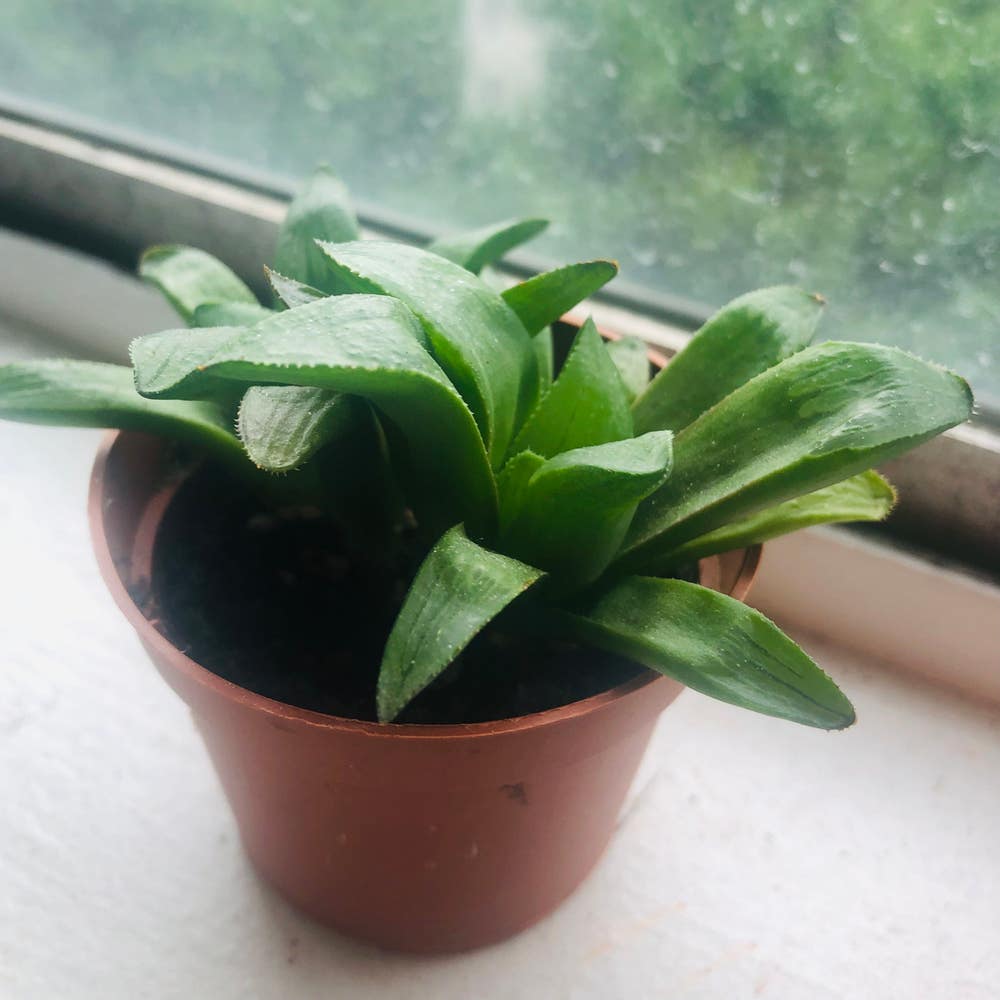
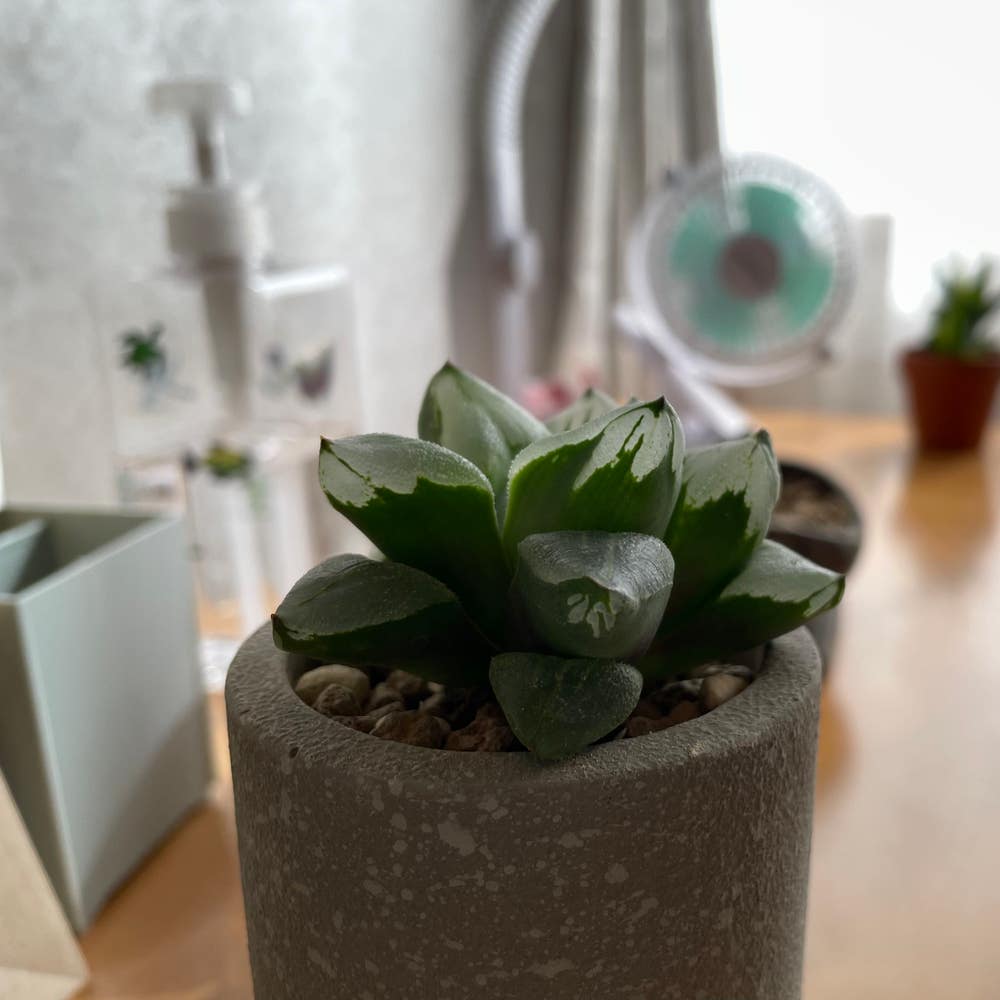
🌵 8 Tips for How to Plant Your Pygmy Haworthia
Haworthia pygmaea
By the Greg Editorial Team
Oct 01, 2024•4 min read
This article was created with the help of AI so we can cover more plants for you. May contain errors. See one? Report it here.
Transform your gardening skills 🌱 by mastering the secrets of planting and transplanting Pygmy Haworthia for vibrant growth! 🌿
- 🌱 Plant in spring or early summer for optimal growth of Pygmy Haworthia.
- 💧 Water every 2-3 weeks only when soil is dry to prevent overwatering.
- 🌞 Provide bright, indirect light to avoid leaf scorch and ensure healthy growth.
Planting New vs. Transplanting Established Pygmy Haworthia
Key Considerations 🌱
When deciding between planting new Pygmy Haworthia or transplanting established ones, cost is a major factor. New plants are typically more affordable but require patience, as they take longer to mature compared to established plants, which offer quicker results but come with a higher initial investment.
Time to maturity also varies significantly. New plants may take several months to establish themselves, while established plants often show noticeable growth within just a few weeks. This quick turnaround can be particularly appealing for those eager to see their plants thrive.
Adaptability is another crucial consideration. New plants may need extra time to acclimate to their environment, making them a bit more finicky. On the other hand, established plants tend to be more resilient, having already adjusted to their previous conditions.
In summary, weigh the cost, time to maturity, and adaptability when choosing between new and established Pygmy Haworthia. This decision will set the stage for your planting success and overall gardening experience.
Next, let’s dive into the specifics of planting new Pygmy Haworthia, starting with the optimal timing for planting.
Planting New Pygmy Haworthia
🌱 Optimal Timing for Planting
Spring or early summer is the best time to plant your Pygmy Haworthia. During these seasons, temperatures are mild, aligning perfectly with the plant's active growth phase.
🌿 Selecting the Right Soil Mix and Containers
For soil, opt for a well-draining cactus mix or create your own blend using potting soil, sand, and perlite. Always choose containers with drainage holes to prevent root rot, ensuring your plant thrives.
📏 Proper Depth and Spacing for Planting
When planting, make sure to place your Pygmy Haworthia at the same depth it was in the nursery container. Space the plants 4-6 inches apart to allow for adequate airflow and growth.
☀️ Maintaining Ideal Growing Conditions
Your Pygmy Haworthia loves bright, indirect light, so avoid direct sunlight to prevent leaf scorch. Keep temperatures between 20°C to 30°C (68°F to 86°F) and water only when the soil has dried out, typically every 2-3 weeks.
🌤️ Hardening Off Before Outdoor Planting
Gradually acclimating your plant to outdoor conditions is crucial. Start by placing it outside for a few hours each day, slowly increasing exposure over 1-2 weeks to help it adjust.
With these tips, your Pygmy Haworthia will be set for a successful start. Next, let’s explore how to transplant established plants for optimal growth.
Transplanting Established Pygmy Haworthia
🌱 Optimal Timing for Transplanting
Transplanting your Pygmy Haworthia is best done in early spring or fall. During these seasons, the plant is not actively growing, making it less stressful for the roots.
Look for signs that indicate it's time to transplant. Overcrowded roots or poor soil conditions are clear indicators that your plant needs a new home.
🛠️ Step-by-Step Instructions for Transplanting
Prepare the new planting site: Ensure the soil is well-draining and that the area receives adequate sunlight.
Remove the plant: Gently loosen the soil around the roots and lift the plant from its current location. Be careful to minimize root disturbance.
Inspect the roots: Trim any damaged or rotting roots before replanting. Healthy roots are crucial for a successful transplant.
Place the plant: Position it at the same depth as before, ensuring proper spacing to allow for airflow and growth.
💧 Watering and Mulching Tips
After transplanting, lightly water the plant to help settle the soil. Avoid overwatering, as this can lead to root rot.
Consider adding a thin layer of gravel or sand as mulch. This helps retain moisture and suppress weeds, giving your Pygmy Haworthia the best chance to thrive.
Transplanting can be a rewarding experience, leading to healthier plants and better growth. With the right timing and care, your Pygmy Haworthia will flourish in its new environment.
Troubleshooting Common Issues
🌱 Understanding Transplant Shock
Transplant shock can be a real bummer for your Pygmy Haworthia. Symptoms include wilting, yellowing leaves, or stunted growth after transplanting.
To prevent this, focus on minimizing root disturbance during the move. Proper watering is also crucial; make sure the plant isn’t too dry or overly saturated.
🚧 Establishment Problems and Solutions
Common issues during establishment often stem from poor drainage, leading to root rot, or inadequate light. If your plant isn't thriving, these are the first areas to check.
Adjust your watering schedule to ensure the soil dries out between waterings. If light is lacking, consider relocating your plant to a brighter spot.
⏳ Tips for Successful Recovery
Patience is key when helping your Pygmy Haworthia recover. Allow time for the plant to adjust after transplanting.
Regularly monitor for signs of stress, like drooping leaves or discoloration. Adjust your care routine as needed to support a smooth recovery.
With the right attention, your plant will bounce back and thrive!
⚠️ Safety First
This content is for general information and may contain errors, omissions, or outdated details. It is not medical, veterinary advice, or an endorsement of therapeutic claims.
Always consult a qualified healthcare professional before using any plant as food, medicine, or supplement.
Never eat any plant (or feed one to pets) without confirming its identity with at least two trusted sources.
If you suspect poisoning, call Poison Control (800) 222-1222, the Pet Poison Helpline (800) 213-6680, or your local emergency service immediately.
Spotted an error? Please report it here.
Plant your Pygmy Haworthia with confidence 🌿 by using Greg's tailored watering alerts and expert advice to help your succulent flourish in its new environment!