🔍 Identifying What is Eating Your Pygmy Haworthia
Haworthia pygmaea
By the Greg Editorial Team
Oct 01, 2024•6 min read
This article was created with the help of AI so we can cover more plants for you. May contain errors. See one? Report it here.
Safeguard your Pygmy Haworthia from hungry herbivores while inviting beneficial pollinators to thrive! 🌿
- 🌱 Pygmy Haworthia attracts herbivores like deer, rabbits, and squirrels due to its tender shoots.
- 🦌 Identify damage signs: chewed leaves, droppings, and burrowing indicate specific herbivore activity.
- 🚫 Use deterrents like repellents and fencing to protect your Pygmy Haworthia effectively.
Description and Appeal
🌿 Appearance of Pygmy Haworthia
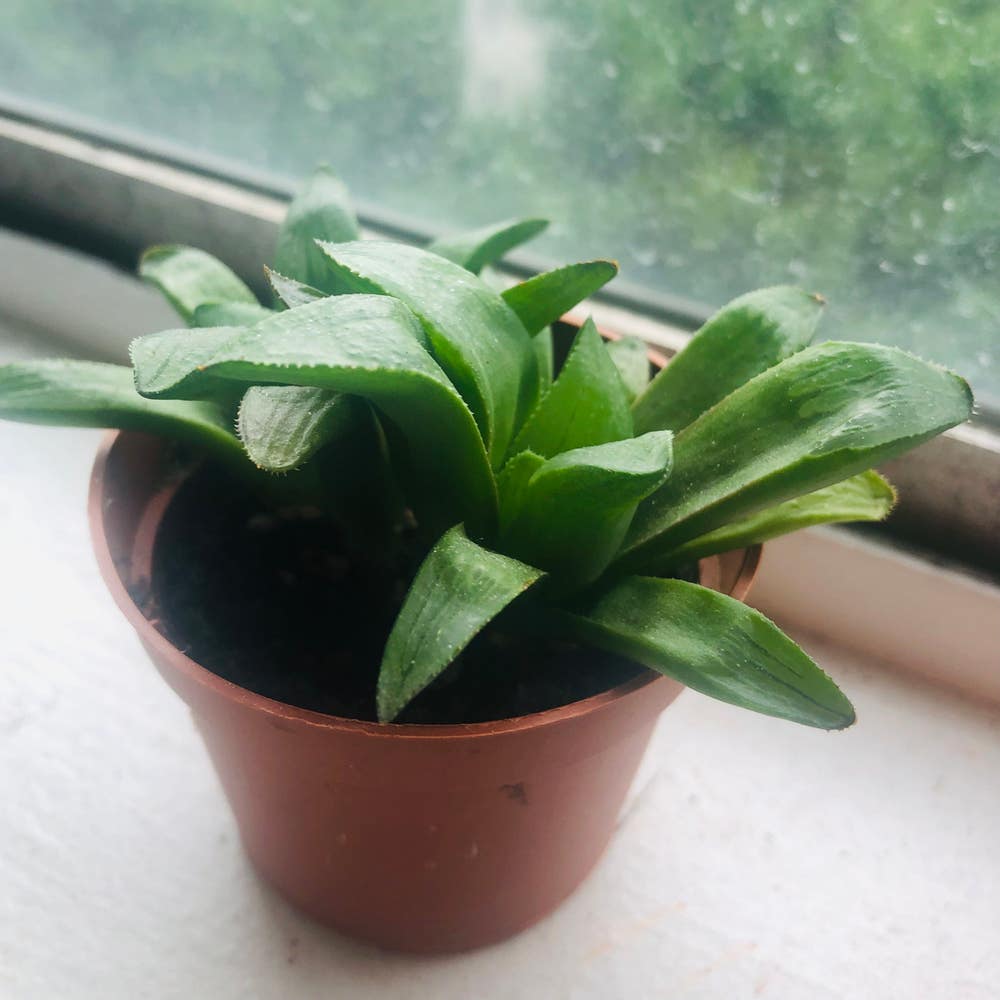
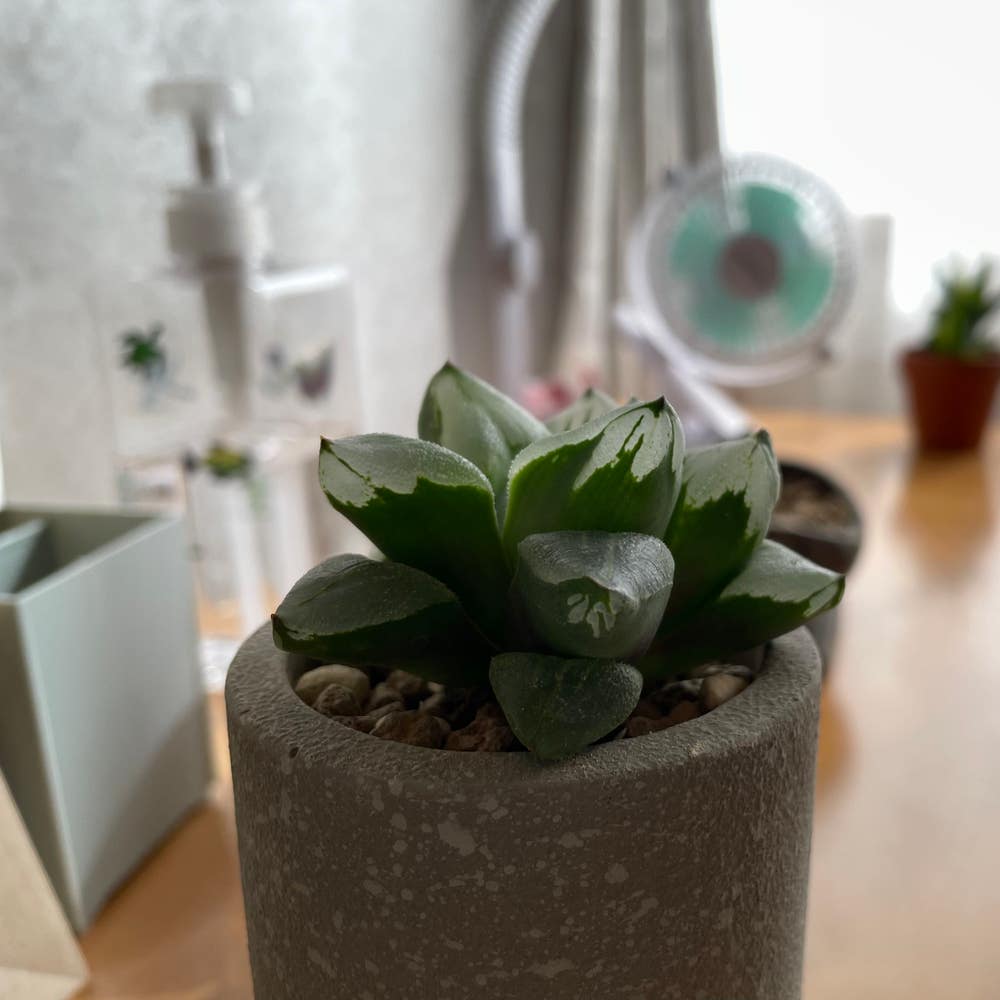
The Pygmy Haworthia is a delightful small succulent, characterized by its rosettes of thick, fleshy leaves. Typically, it stands between 2 to 4 inches in height and width, making it a perfect addition to any indoor or outdoor garden.
Its leaves often feature striking white markings, enhancing its visual appeal and making it a standout among other succulents. This unique appearance not only attracts plant enthusiasts but also herbivores looking for a tasty snack.
🐾 Most Appealing Parts to Animals
When it comes to what animals find appealing, young shoots are at the top of the list. Their tender texture and high moisture content make them irresistible to various herbivores.
During the blooming season, the flowers become a focal point, often rich in nectar, drawing in pollinators and hungry animals alike. Additionally, the juicy fruits of the Pygmy Haworthia are a tempting treat for many herbivores, further increasing the plant's vulnerability.
In summary, the Pygmy Haworthia's charm lies not only in its aesthetic qualities but also in its allure to a variety of animals. Understanding these aspects can help you better protect this captivating succulent from potential threats.
Next, we’ll explore the common herbivores that might be snacking on your Pygmy Haworthia.
Common Herbivores
🦌 Deer
Signs of presence and damage caused
Deer are notorious for their browsing habits. Look for irregularly chewed leaves, typically at heights they can easily reach, and hoof prints in muddy areas nearby.
Beneficial vs. harmful interactions
Interactions with deer are generally harmful. They can decimate populations of Pygmy Haworthia, leaving your plants vulnerable.
Deterrent methods (difficulty: moderate)
To keep deer at bay, consider using commercial deer repellents. Alternatively, planting deer-resistant species nearby or using human hair and soap shavings can be effective organic methods.
🐇 Rabbits
Signs of presence and damage caused
Rabbits leave behind cleanly cut leaves with jagged edges. You might also find small, round droppings near your plants.
Beneficial vs. harmful interactions
Like deer, rabbits are generally harmful. They can severely damage young shoots and flowers, threatening the health of your Pygmy Haworthia.
Deterrent methods (difficulty: easy)
Bitter-tasting sprays serve as effective chemical deterrents against rabbits. For a more organic approach, consider fencing your plants with a height of 2-3 feet or using repellents like cayenne pepper.
🐿️ Squirrels
Signs of presence and damage caused
Squirrels can be quite destructive. Look for gnawed leaves and stems with irregular bite marks, as well as disturbances in the soil from their burrowing.
Beneficial vs. harmful interactions
Interactions with squirrels are generally harmful. They can lead to significant damage to your plants, making them a nuisance.
Deterrent methods (difficulty: moderate)
Commercial squirrel repellents can help deter these critters. You can also use scare tactics, such as reflective tape or noise-makers, to keep them away.
🐦 Birds
Signs of presence and damage caused
Birds may peck at your Pygmy Haworthia, leaving small holes or missing sections on the leaves. You might also notice nesting materials nearby.
Beneficial vs. harmful interactions
Bird interactions are mixed. While some birds help control pests, others can cause damage to your plants.
Deterrent methods (difficulty: easy)
Bird-safe repellents can be effective in deterring unwanted feathered visitors. Alternatively, using netting or reflective objects can help keep them at bay.
🐭 Rodents
Signs of presence and damage caused
Rodents can wreak havoc on your plants. Look for chewed roots and stems, along with small, dark pellets near the base of your Pygmy Haworthia.
Beneficial vs. harmful interactions
Rodent interactions are generally harmful. They can cause severe root damage, jeopardizing the health of your plants.
Deterrent methods (difficulty: hard)
For rodent control, consider using bait stations as a chemical deterrent. Organic methods include traps and encouraging natural predators, like cats, to patrol the area.
Understanding these common herbivores and their impact on Pygmy Haworthia is crucial for maintaining a healthy garden. Next, we’ll explore the beneficial animals that can enhance your garden ecosystem.
Beneficial Animals
🐝 Description of Beneficial Animals Attracted to Pygmy Haworthia
Pygmy Haworthia isn't just a feast for herbivores; it also attracts a host of beneficial animals. Pollinators like bees and butterflies are drawn to its flowers, playing a crucial role in the plant's reproductive cycle.
In addition to pollinators, predatory insects such as ladybugs and lacewings find their way to these succulents. These tiny allies help keep pest populations in check, ensuring your garden remains healthy and vibrant.
🌿 Positive Impacts on the Garden Ecosystem
The presence of these beneficial animals leads to enhanced pollination, which results in better fruit and seed production. This natural process not only supports the Pygmy Haworthia but also enriches the entire garden ecosystem.
Moreover, the predatory insects contribute to natural pest control, reducing the need for chemical interventions. This creates a healthier environment for all plants and animals involved, fostering a balanced ecosystem.
By encouraging beneficial animals, you can create a thriving garden that flourishes with life. It's a win-win situation, where both your Pygmy Haworthia and the surrounding ecosystem benefit immensely.
As we explore protection strategies next, consider how these beneficial interactions can be preserved while keeping harmful herbivores at bay.
Protection Strategies
🛡️ Preventive Measures for Protecting Pygmy Haworthia
Plant Placement
Position your Pygmy Haworthia in less accessible areas to deter herbivores. Elevating the plant or placing it near obstacles can make it harder for animals to reach.
Companion Planting
Consider using companion plants that naturally repel herbivores. Species like lavender or rosemary can create a barrier, keeping your succulent safe.
⚠️ Reactive Solutions for Managing Animal Interactions
Regular Monitoring
Keep an eye on your Pygmy Haworthia for signs of herbivore activity. Early detection can save your plant from significant damage.
Immediate Action
As soon as you spot signs of nibbling or disturbance, implement deterrents. Quick responses can help protect your plant from further harm.
🌱 Seasonal Variations in Animal Attraction to Pygmy Haworthia
Spring
Expect increased activity from rabbits and deer as they emerge from winter. This is a crucial time to be vigilant.
Summer
Squirrel and bird interactions peak during blooming. Be proactive in your protection strategies to safeguard your succulent during this busy season.
🌍 Ecological Considerations
Contribution to Local Biodiversity
Your Pygmy Haworthia plays a role in local ecosystems. It attracts various species, contributing to biodiversity.
Maintaining a Diverse Ecosystem
While herbivore interactions can be challenging, they are part of a balanced ecosystem. Embrace the complexity and strive for harmony in your garden.
Mild Toxicity
Interestingly, Pygmy Haworthia has mild toxicity that can deter excessive feeding. However, it’s not a foolproof solution, so remain vigilant.
By implementing these protection strategies, you can enjoy your Pygmy Haworthia while minimizing the impact of herbivores. Next, let’s explore the beneficial animals that can enhance your garden ecosystem.
⚠️ Safety First
This content is for general information and may contain errors, omissions, or outdated details. It is not medical, veterinary advice, or an endorsement of therapeutic claims.
Always consult a qualified healthcare professional before using any plant as food, medicine, or supplement.
Never eat any plant (or feed one to pets) without confirming its identity with at least two trusted sources.
If you suspect poisoning, call Poison Control (800) 222-1222, the Pet Poison Helpline (800) 213-6680, or your local emergency service immediately.
Spotted an error? Please report it here.
Keep your Pygmy Haworthia thriving 🌱 by using Greg's tailored alerts and tips to fend off herbivores and ensure your succulent stays healthy and beautiful!