🌵 9 Companions to Boost Your Pygmy Haworthia's Growth
Haworthia pygmaea
By the Greg Editorial Team
Oct 01, 2024•5 min read
This article was created with the help of AI so we can cover more plants for you. May contain errors. See one? Report it here.
Elevate your Pygmy Haworthia garden with perfect companion plants for beauty and health! 🌱✨
- 🌱 Echeveria and Aloe Vera are perfect companions, sharing care needs and deterring pests.
- 🌼 Sedum attracts beneficial insects, enhancing your Pygmy Haworthia's growth and ecosystem.
- 🎨 Layering plants by height and color creates a vibrant, balanced succulent display.
Best Companion Plants for Pygmy Haworthia
🌸 Echeveria
Echeveria is a fantastic companion for Pygmy Haworthia, thriving in well-draining soil and requiring minimal watering. Its thick leaves naturally deter certain pests, making it a resilient choice.
Visually, Echeveria offers a stunning variety of colors and shapes, enhancing the overall aesthetic of your succulent arrangements. This plant not only complements but elevates the beauty of your garden.
🌿 Sedum
Sedum is another excellent partner, known for its drought tolerance and preference for similar light conditions. This hardy plant attracts beneficial insects that prey on common pests, adding an extra layer of protection.
With its lush, ground-covering effect, Sedum beautifully complements Pygmy Haworthia, creating a vibrant and cohesive look in your garden.
🌱 Aloe Vera
Aloe Vera shares similar care needs, requiring minimal water and thriving in comparable soil conditions. Its natural compounds deter pests like aphids and mealybugs, making it a practical choice for pest management.
The unique leaf structure of Aloe Vera adds interest to succulent displays, making it not just functional but visually appealing as well.
🪨 Lithops
Lithops, or "living stones," prefer well-draining soil and low moisture levels, aligning perfectly with the needs of Pygmy Haworthia. Their unique appearance can confuse pests, reducing the likelihood of infestations.
These fascinating plants create a striking contrast with Pygmy Haworthia, adding depth and intrigue to your succulent garden.
🌼 Crassula
Crassula is another compatible companion, requiring similar watering and light conditions. Some varieties have thick foliage that can deter pests, providing an added layer of protection.
With diverse shapes and sizes, Crassula enhances garden design, making it a versatile addition to your succulent collection.
🌞 Senecio
Senecio thrives in drought-tolerant environments, making it a suitable companion for Pygmy Haworthia. This plant attracts pollinators while repelling harmful insects, contributing to a balanced ecosystem.
Its unique texture and color variations add visual interest, enriching the overall aesthetic of your succulent arrangements.
These companion plants not only support the growth of Pygmy Haworthia but also enhance its beauty. Choosing the right companions can create a thriving, visually stunning garden that showcases the unique characteristics of each plant.
Plants to Avoid with Pygmy Haworthia
🚫 Description of Incompatible Plants
When selecting companions for your Pygmy Haworthia, it's crucial to avoid certain plants that can disrupt its growth. The primary reasons for incompatibility often stem from differing water needs, which can lead to root rot, and pest attraction that could harm your succulent.
❌ Examples of Plants to Avoid
Cacti with High Water Needs
These plants can create overwatering issues, which is detrimental to Pygmy Haworthia. Their thirst for moisture can drown your succulent, leading to decay.Fast-Growing Succulents
While they may seem appealing, these plants can overshadow Pygmy Haworthia, stunting its growth. Their rapid expansion can outcompete your Pygmy Haworthia for light and nutrients.
By steering clear of these incompatible plants, you can ensure a thriving environment for your Pygmy Haworthia. This careful selection will help maintain its health and beauty, setting the stage for a vibrant succulent display.
Next, let’s explore how companion planting can enhance pest management for your Pygmy Haworthia.
Pest Management through Companion Planting
🌱 How Companion Plants Can Deter Pests
Companion planting is a fantastic way to manage pests naturally. By utilizing plants that have natural repellent properties, you can create a protective barrier around your Pygmy Haworthia.
Certain companion plants release compounds that deter harmful insects. This means fewer pests munching on your beloved succulents.
🦋 Encouraging Beneficial Insects
In addition to repelling pests, companion plants can attract beneficial insects. These helpful critters, like ladybugs and lacewings, feast on common pests that threaten your plants.
Integrating these plants into your garden not only enhances biodiversity but also promotes a healthier ecosystem for your Pygmy Haworthia.
🎯 Specific Pest Management Strategies for Pygmy Haworthia
To effectively manage pests, consider integrating companion plants that specifically attract beneficial insects. For instance, planting flowers like marigolds can draw in ladybugs, which are excellent at controlling aphid populations.
Regular monitoring of your plants is crucial. Keep an eye out for any signs of pest presence and assess the health of your Pygmy Haworthia frequently.
🏁 Conclusion
By strategically choosing companion plants, you can create a thriving environment for your Pygmy Haworthia. This not only helps in pest management but also enhances the overall health and beauty of your succulent garden.
Next, let’s explore how to create a visually appealing succulent garden that showcases your plants beautifully.
Visual Appeal and Garden Design
Creating a Visually Appealing Succulent Garden 🌵
When designing a succulent garden, color and texture variety are crucial. Mixing different hues and leaf shapes can create a vibrant, eye-catching display.
Layering plants adds depth and interest to your arrangement. By placing taller plants in the back and shorter ones in the front, you can create a dynamic visual experience.
Arranging Companion Plants for Aesthetic Benefits 🌼
Grouping plants with similar heights helps maintain balance in your garden. This approach ensures that each plant gets the spotlight without overshadowing its companions.
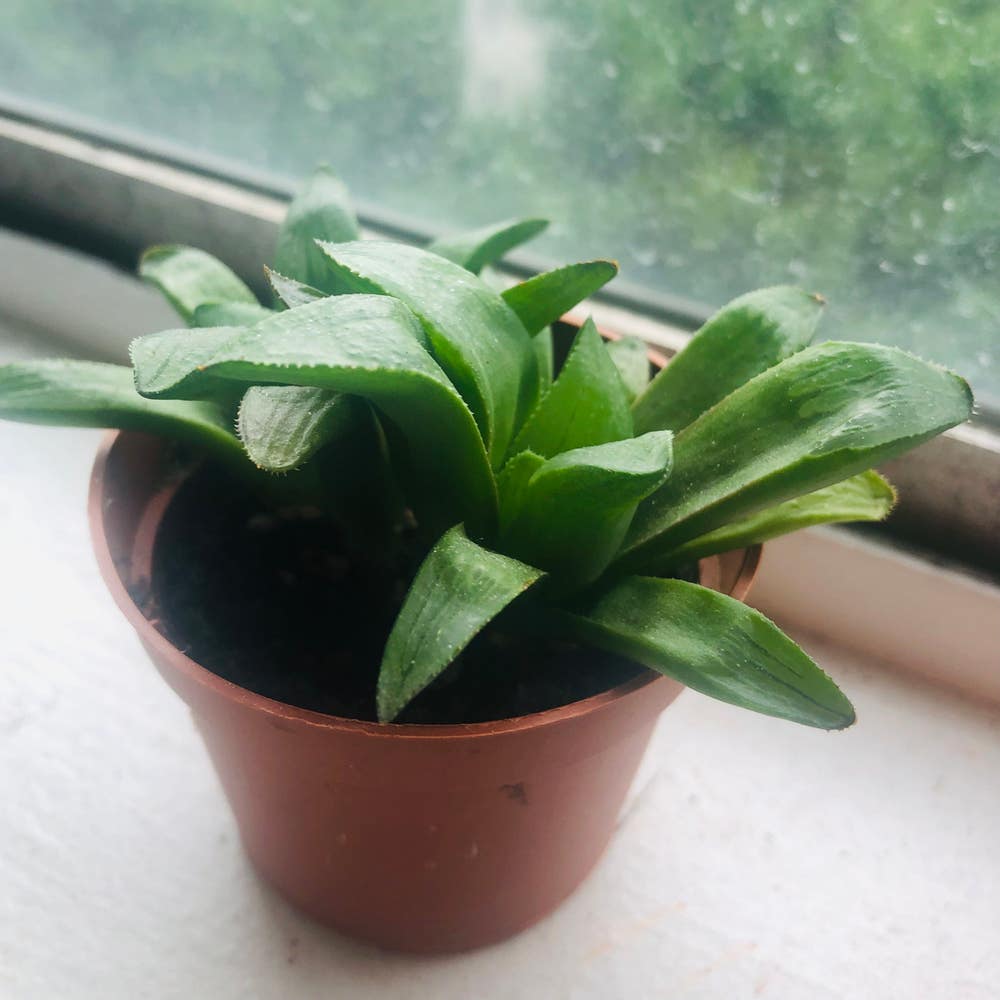
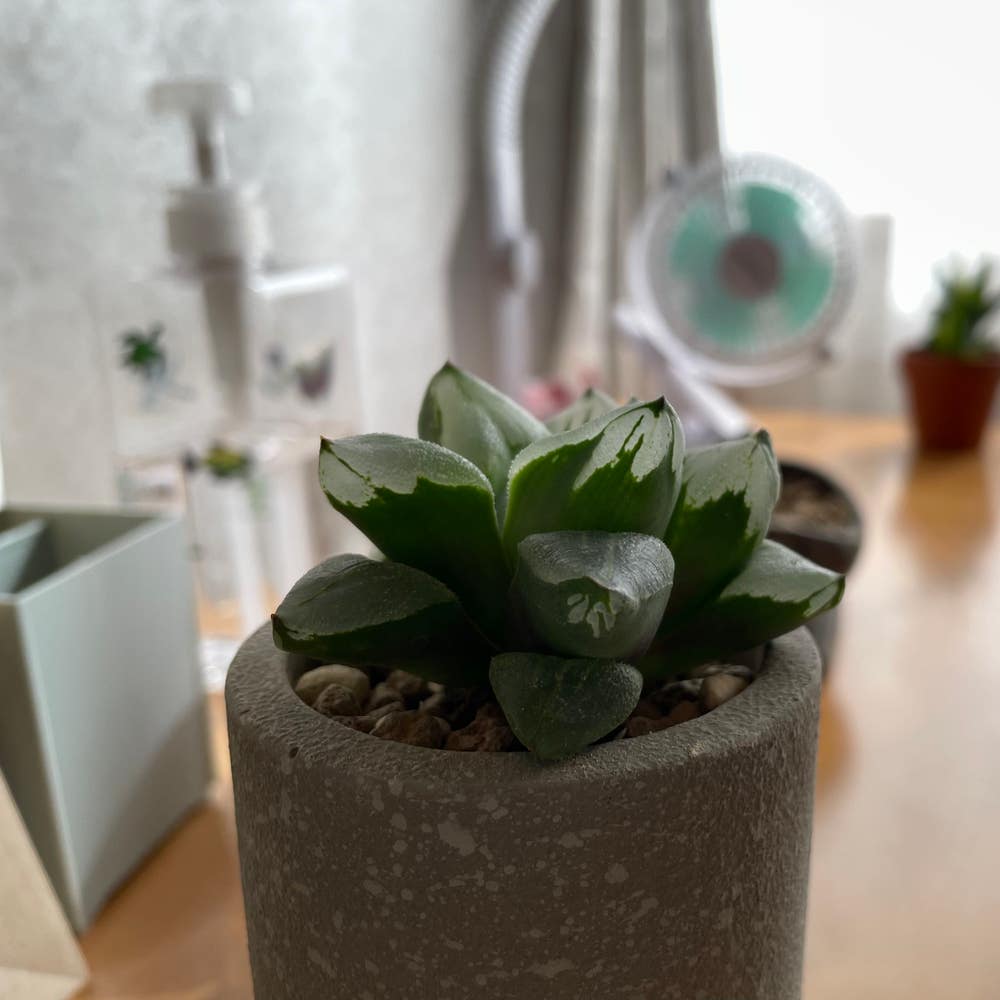
Using contrasting colors can highlight Pygmy Haworthia's unique features. For instance, pairing it with vibrant Echeveria can make both plants stand out beautifully.
Incorporating these design principles not only enhances the visual appeal but also promotes a healthy growing environment for your Pygmy Haworthia. With the right arrangements, your succulent garden can be both stunning and thriving.
⚠️ Safety First
This content is for general information and may contain errors, omissions, or outdated details. It is not medical, veterinary advice, or an endorsement of therapeutic claims.
Always consult a qualified healthcare professional before using any plant as food, medicine, or supplement.
Never eat any plant (or feed one to pets) without confirming its identity with at least two trusted sources.
If you suspect poisoning, call Poison Control (800) 222-1222, the Pet Poison Helpline (800) 213-6680, or your local emergency service immediately.
Spotted an error? Please report it here.
Boost your Pygmy Haworthia's growth with strategic companions 🌿 like Echeveria and Aloe Vera, and let Greg's tailored care reminders keep your garden thriving!