🌵 3 Key Aspects of Pygmy Haworthia Size
Haworthia pygmaea
By the Greg Editorial Team
Oct 01, 2024•5 min read
This article was created with the help of AI so we can cover more plants for you. May contain errors. See one? Report it here.
Unlock the secret to thriving Pygmy Haworthia 🌱 by mastering size control for stunning, compact growth!
- 🌱 Pygmy Haworthia matures to 2-4 inches tall, perfect for small spaces.
- ⏳ Growth takes time; expect 3-5 years to reach full size.
- 🌞 Light and care significantly influence size; optimize conditions for best results.
Mature Height and Spread
📏 Typical Dimensions
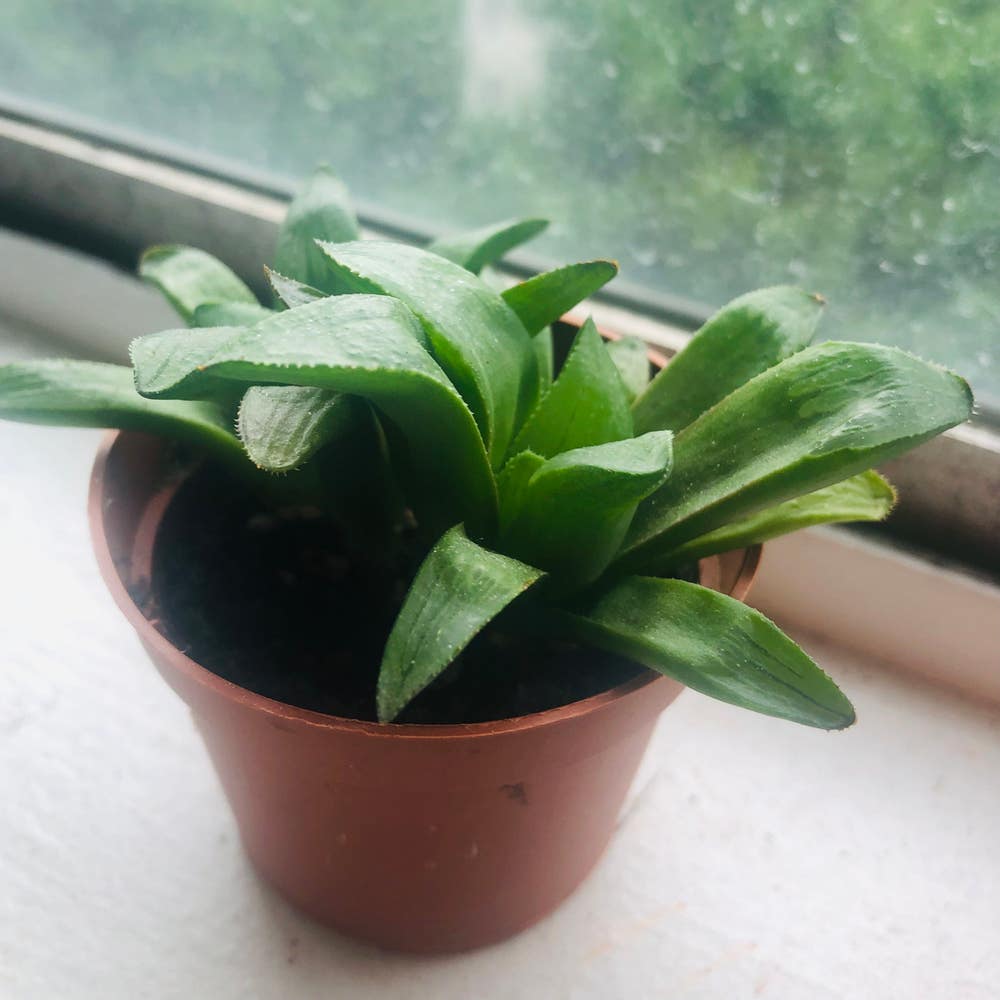
Pygmy Haworthia typically reaches a mature height of 2 to 4 inches and spreads between 3 to 6 inches. These compact dimensions make them ideal for small spaces or container gardening.
🌱 Growth Habits
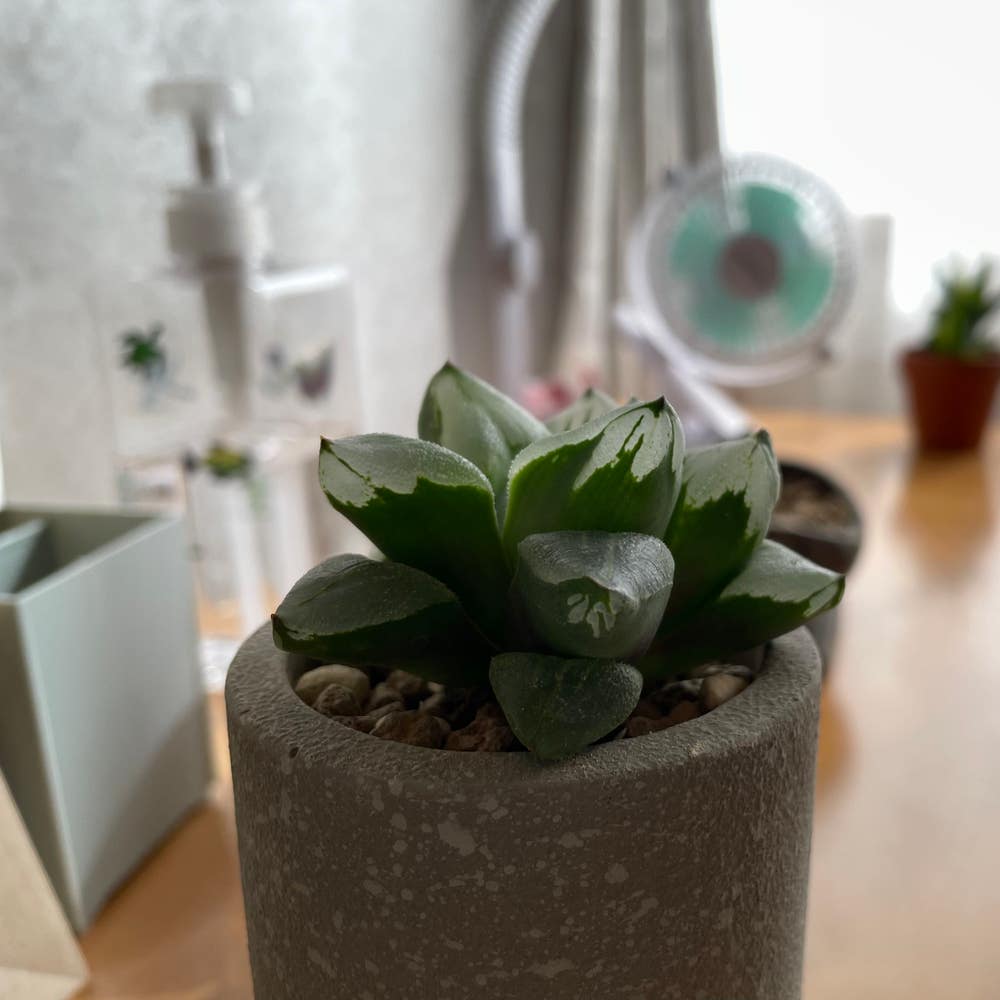
These succulents are known for their slow growth rate, often taking several years to achieve their full size. Their unique rosette formation can vary significantly based on environmental conditions, adding to their charm.
🐉 Dwarf and Giant Varieties
Dwarf varieties of Pygmy Haworthia are characterized by their smaller stature, usually staying under 2 inches in height. In contrast, giant varieties can grow larger than standard Pygmy Haworthia, showcasing a more robust growth pattern and broader leaves.
Understanding these size variations can help you choose the right type for your collection or garden. Whether you prefer the petite charm of dwarf varieties or the impressive stature of giants, there's a Pygmy Haworthia for every enthusiast.
As we dive deeper into the growth rate and time to maturity, you'll discover how these factors further influence the size of your Pygmy Haworthia.
Growth Rate and Time to Maturity
🐢 Understanding Growth Rate
The growth rate of Pygmy Haworthia is characterized as slow and steady. This means that patience is key; these charming succulents don’t rush to their full size.
Several factors contribute to this leisurely pace. Limited nutrient availability, environmental conditions, and the plant's inherent genetics all play a role in how quickly it grows.
⏳ Time to Reach Full Size
On average, it takes several years for Pygmy Haworthia to achieve its mature dimensions. Expect a timeline of about 3 to 5 years, depending on care and conditions.
Certain factors can either accelerate or decelerate this growth. Optimal light, temperature, and watering practices can speed things up, while neglect or poor conditions can slow growth significantly.
Understanding these dynamics will help you nurture your Pygmy Haworthia effectively, ensuring it thrives over time. As you learn to manage these aspects, you'll be well on your way to enjoying a beautifully mature plant.
Size Variability Among Varieties
🌱 Factors Influencing Size Variability
Pygmy Haworthia comes in a delightful range of sizes, primarily categorized into dwarf and giant varieties. Dwarf varieties typically stay compact, often reaching only a couple of inches tall, while giant varieties can grow significantly larger, showcasing their unique adaptations.
Environmental conditions play a crucial role in determining size variability. Factors like light exposure, temperature, and humidity can either stunt growth or encourage these plants to flourish, leading to noticeable differences in mature dimensions.
📏 Examples of Size Variability
For instance, the Haworthia truncata, a popular dwarf variety, usually matures at about 2 inches tall and 3 inches wide. In contrast, the Haworthia cooperi, a giant variety, can reach heights of up to 6 inches, showcasing the diversity within this genus.
Genetic factors also contribute to size differences. Some plants may have inherent traits that predispose them to grow larger or smaller, regardless of their growing conditions. This genetic variability adds an exciting layer to cultivating Pygmy Haworthia, making each plant unique.
Understanding these aspects of size variability not only enhances your gardening experience but also helps you choose the right variety for your space. Next, we’ll explore the factors that affect size, ensuring your Pygmy Haworthia thrives beautifully.
Factors Affecting Size
🌤️ Environmental Conditions
Light Conditions and Growth
Pygmy Haworthia thrives in bright, indirect light. Optimal exposure encourages healthy growth and vibrant colors.
Insufficient light can lead to leggy growth, while excessive light may scorch the leaves, stunting size. Finding that sweet spot is crucial for maintaining your plant's dimensions.
Temperature and Humidity
The ideal temperature range for Pygmy Haworthia is between 65°F and 80°F. Staying within this range promotes robust growth.
Humidity also plays a role; these succulents prefer moderate humidity levels. Too much moisture can lead to rot, while too little can hinder growth.
🌱 Soil Type and Container Size
Well-draining soil is essential for controlling size. A mix designed for succulents prevents water retention, which can lead to root issues.
Container size significantly influences growth. A pot that's too large can encourage excessive root growth, while a snug fit can help manage dimensions effectively.
💧 Watering Practices
Watering frequency impacts growth directly. Overwatering can lead to root rot, while underwatering may stunt size and vitality.
Keep an eye out for signs of distress. Yellowing leaves often indicate overwatering, while shriveling can signal a need for more moisture.
Understanding these factors will help you cultivate a thriving Pygmy Haworthia, setting the stage for effective size control. Next, we’ll explore how to manage size through pruning and container gardening techniques.
Controlling Size
✂️ Pruning Techniques for Size Management
Pruning is essential for managing the size of your Pygmy Haworthia. The best practice is to trim back any dead or overgrown leaves, which encourages new growth and maintains a compact shape.
Timing is crucial; late spring or early summer is ideal for pruning. Use clean, sharp tools to prevent damage and infection, ensuring your plant stays healthy.
🪴 Container Gardening for Size Control
Choosing the right container is vital for controlling the size of your Haworthia. A smaller pot can restrict growth, while a larger one may encourage it, so select a size that aligns with your desired dimensions.
Container material also plays a role. Terracotta pots, for example, allow for better airflow and drainage, which can help manage growth effectively.
📏 Adjusting Care for Desired Growth Rate
To influence the growth rate of your Pygmy Haworthia, modify light, water, and soil conditions. Providing bright, indirect light can promote healthy growth, while too much direct sunlight may stunt it.
Watering practices are equally important. Ensure you’re not overwatering, as this can lead to root rot and size issues. Striking a balance between size control and healthy growth is key; monitor your plant closely and adjust care as needed.
By implementing these strategies, you can effectively manage the size of your Pygmy Haworthia while keeping it vibrant and thriving. Next, let’s explore the various factors that affect size variability among different varieties.
⚠️ Safety First
This content is for general information and may contain errors, omissions, or outdated details. It is not medical, veterinary advice, or an endorsement of therapeutic claims.
Always consult a qualified healthcare professional before using any plant as food, medicine, or supplement.
Never eat any plant (or feed one to pets) without confirming its identity with at least two trusted sources.
If you suspect poisoning, call Poison Control (800) 222-1222, the Pet Poison Helpline (800) 213-6680, or your local emergency service immediately.
Spotted an error? Please report it here.
Cultivating your Pygmy Haworthia to thrive beautifully 🌱 is easy with Greg's tailored care tips and reminders, ensuring your little succulents flourish in any space!